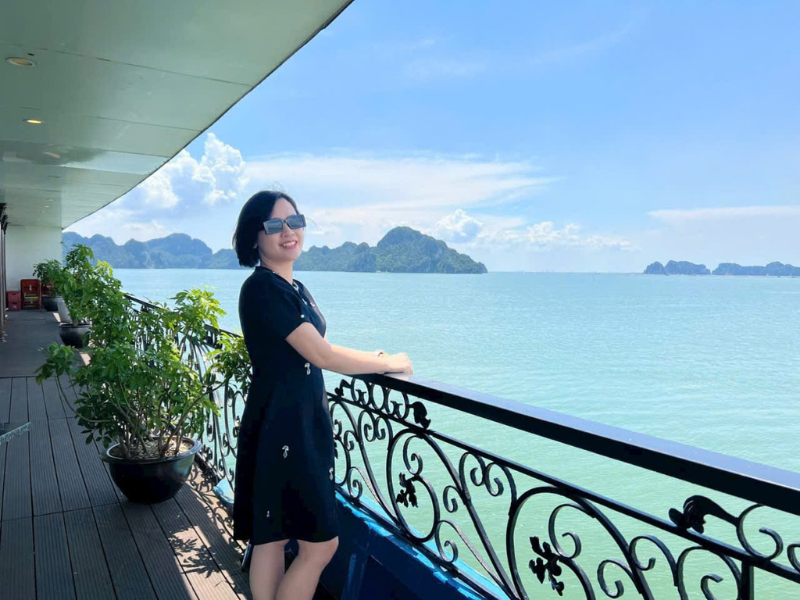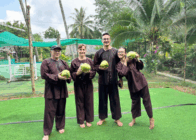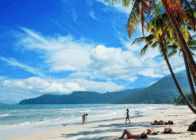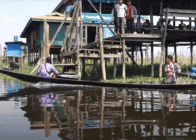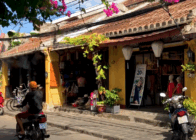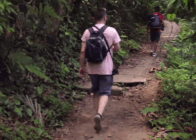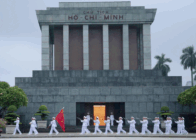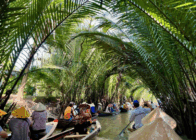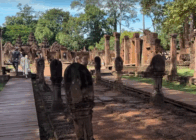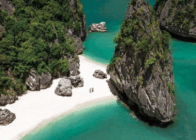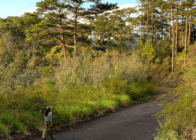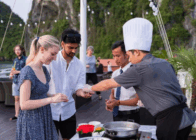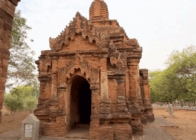
Are you dreaming of an extraordinary getaway for your next big adventure? As international travel evolves, planning holidays in Vietnam 2026 presents an unparalleled opportunity to experience Southeast Asia at its finest. From the majestic limestone karsts rising out of misty northern bays to the sun-drenched, palm-fringed beaches of the deep south, Vietnam offers Western travelers an intoxicating blend of rich ancient heritage, untouched natural beauty, and highly sophisticated modern hospitality.
However, traveling across a country that spans over 1,600 kilometers requires careful planning. Weather patterns, national public holidays, local festival calendars, and emerging travel trends fluctuate significantly depending on the month you choose to visit.
This definitive, master-level guide provides everything you need to map out your 2026 itinerary, optimize your travel dates, and unlock deep cultural experiences safely and comfortably.
The Big Picture: Why Vietnam is the Definitive Holiday Destination in 2026
Vietnam has firmly transitioned from a budget backpacker trail into one of the world’s most dynamic, multi-tier travel destinations. In 2026, the country is leading the global tourism charts by seamlessly blending immersive cultural experiences with eco-conscious luxury retreats.
For travelers coming from the US, UK, and Australia, Vietnam provides an exceptional value proposition. The purchasing power of Western currencies remains remarkably high against the Vietnamese Dong (VND). This financial advantage allows families, couples, and solo travelers to comfortably access world-class boutique hotels, private guided historical excursions, and award-winning culinary experiences at a fraction of the cost of European or Caribbean equivalents.
Furthermore, massive investments in infrastructure—including rapid airport expansions, upgraded eco-resorts, and widespread high-speed 5G networks—make navigating this vibrant land smoother and more accessible than ever before.
Unpacking the 2026 Official Vietnam Public Holiday Calendar
When mapping out your trip, understanding the official public holiday schedule is crucial. During major national holidays, millions of local citizens travel domestically to reunite with families, which can lead to fully booked internal flights, packed trains, and peak-season hotel rates across major resort towns.
The Ministry of Home Affairs has officially formalized the public holiday dates for 2026:
| Public Holiday Name | Official 2026 Calendar Dates | Observed Break Duration |
| International New Year | January 1 (Thursday) | 1 Day (Statutory) |
| Lunar New Year (Tết) | February 14 – February 22 | 9 Consecutive Days |
| Hung Kings Commemoration | April 26 – April 27 | 2 Days (Includes Make-up Day) |
| Reunification & Labor Day | April 30 – May 3 | 4 Consecutive Days |
| National Independence Day | August 29 – September 2 | 5 Consecutive Days |
| Vietnamese Cultural Day | November 24 (Tuesday) | 1 Day (Statutory) |
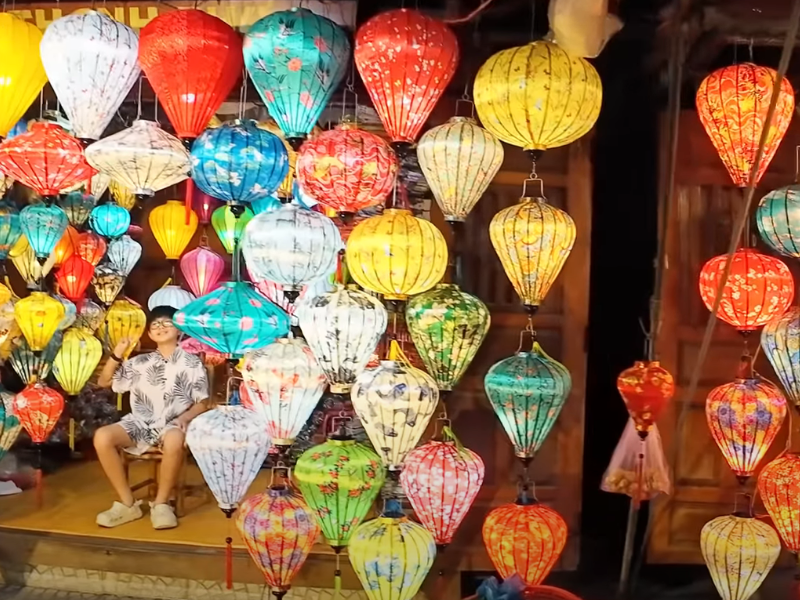
Expert Strategic Insight: If you prefer quiet sights and smooth transit, try to avoid booking heavy cross-country journeys directly inside the 9-day Tết window or the 5-day National Day block. Conversely, if you wish to see the country alive with festive decor and cultural pride, these are the most rewarding times to stay in major cultural hubs like Hanoi or Hoi An.
Navigating the Three Distinct Climate Zones of Vietnam
One of the most common mistakes Western travelers make is assuming Vietnam has a singular tropical climate. Because of its dramatic geographical length, the country is divided into three completely distinct weather systems.
[Northern Vietnam] --> Cool/Chilly Winters (Nov-Mar) | Hot/Rainy Summers (May-Sep)
[Central Vietnam]  --> Long Dry Season (Feb-Aug)     | Monsoon/Typhoons (Oct-Dec)
[Southern Vietnam] --> Tropical Heat (Year-Round)    | Dry (Nov-Apr) vs Wet (May-Oct)
Northern Vietnam (Hanoi, Ha Long Bay, Sapa, Ha Giang)
The north experiences a true four-season climate. From November to March, expect crisp, cool, and sometimes misty winter weather with temperatures ranging from 15°C to 20°C in Hanoi. In mountain towns like Sapa, temperatures can plunge toward freezing. From May to September, the climate shifts to hot, humid conditions accompanied by heavy summer downpours.
Central Vietnam (Da Nang, Hoi An, Hue, Nha Trang)
The central coast operates on an entirely unique weather loop. The dry season runs brilliantly from February all the way through August, offering ideal beach weather. However, you should generally minimize travel here between October and December, when the region experiences its heavy monsoon season, rough seas, and potential tropical typhoons.
Southern Vietnam (Ho Chi Minh City, Mekong Delta, Phu Quoc Island)
The south remains consistently warm and tropical year-round, averaging 25°C to 35°C. It features two distinct periods: the flawless dry season (November to April) and the tropical wet season (May to October), which brings brief, predictable afternoon showers that rarely disrupt well-planned holiday excursions.
The Master Guide to the Best Time to Visit in 2026
If your goal is to experience consistent, pleasant weather right across the entire country from North to South, write down these two golden windows for your 2026 holiday:
Window #1: The Spring Peak (March to April)   ---> Best for Nationwide Sunshine
Window #2: The Autumn Shift (October to November) ---> Best for Rice Harvests & Cool Air
The Spring Peak (March to April)
This is universally considered the ultimate sweet spot for a comprehensive cross-country holiday. The north enters a pleasant spring bloom, the central beaches enjoy endless sunny days, and the southern heat is manageable. It is the perfect time for multi-city explorations, trekking, and coastal cruising.
The Autumn Shift (October to November)
An extraordinary time to visit, particularly for nature lovers and photography enthusiasts. The north enjoys crisp, clear autumn days, the terraced fields of Sapa turn vibrant shades of gold, and the southern region transitions away from its summer rainfall.
Hot Travel Trends Reshaping Vietnam Tourism in 2026
The year 2026 marks a significant structural evolution in how international travelers experience Vietnam. Mass group tourism is steadily declining, replaced by highly personalized, deep experiential journeys.
The Rise of Eco-Luxury & Sustainable Stays: Western travelers are increasingly seeking out properties that possess strict green credentials. Zero-plastic resorts, eco-lodges integrated into local farming communities, and wildlife conservation tours are seeing record bookings.
Wellness and “Healing Journeys”: Wellness travel is surging dramatically. Premium itineraries now commonly integrate multi-day mindfulness programs, organic farm-to-table dining, and traditional herbal baths into historical sightseeing tours.
The “Travel Deeper” Philosophy: Today’s travelers want active participation rather than passive observation. Instead of simply viewing heritage sites, tourists are opting for hands-on artisan workshops, community-led street food walks, and immersive homestays in lesser-known rural provinces.
The 14-Day Essential “Classic Vietnam” Itinerary Blueprint
For first-time visitors from the US, UK, or Australia, a 14-day itinerary provides the perfect framework to absorb the iconic highlights of the country at a comfortable, rewarding pace.
Hanoi (3 Days) -> Ha Long Bay (2 Days) -> Hue & Hoi An (4 Days) -> Saigon & Mekong (5 Days)
Days 1–3: Cultural Awakenings in Hanoi
Immerse yourself in the bustling energy of the historic 36 Streets of the Old Quarter. Explore the architectural elegance of the Temple of Literature, stroll around the serene waters of Hoan Kiem Lake, and enjoy an authentic bowl of hot Pho Ga at a traditional street-side stall.
Days 4–5: Cruising Through Majestic Ha Long Bay
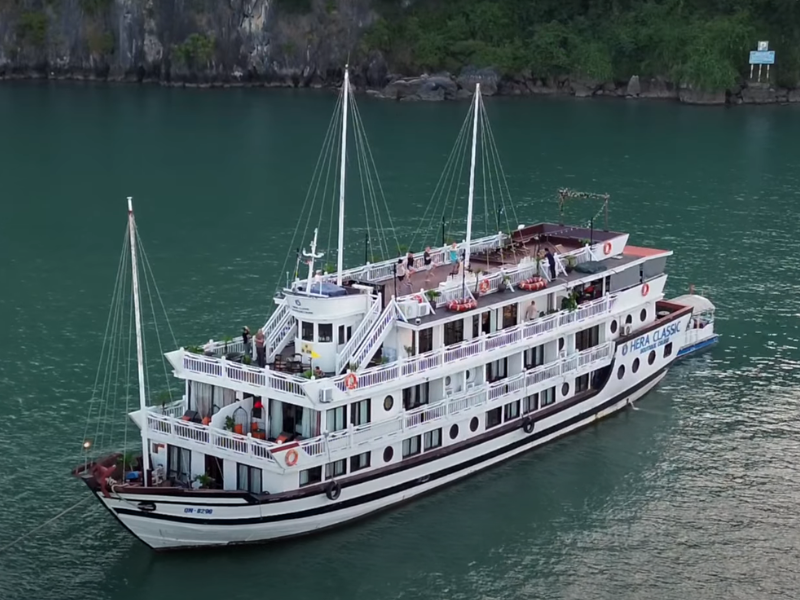
Board a traditional wooden or ultra-modern luxury boutique cruise ship. Spend 24 hours sailing past thousands of towering limestone islands, kayaking into hidden marine grottos, and watching the sunset over the emerald waters.
Days 6–9: Imperial Legends and Lanterns in Central Vietnam
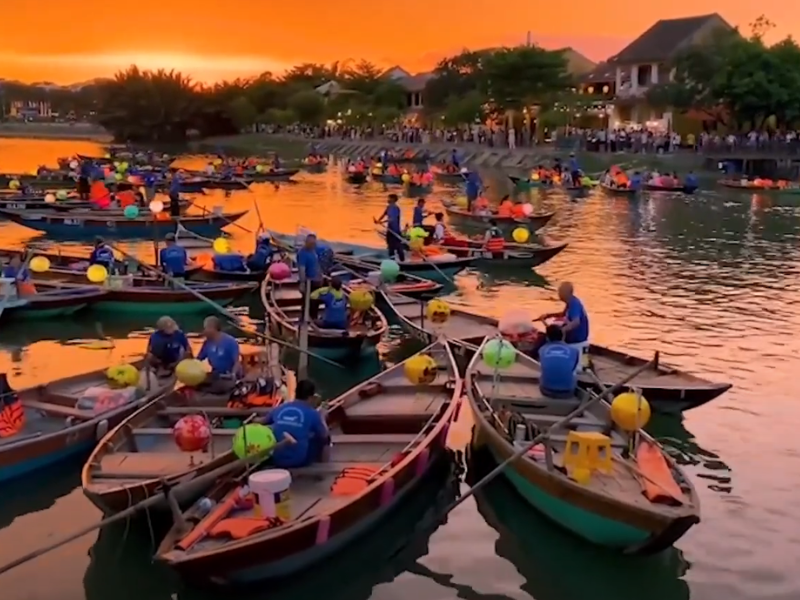
Fly into Da Nang and transfer to the UNESCO-listed ancient town of Hoi An. Spend your days exploring yellow-walled colonial alleyways, relaxing on the sands of An Bang Beach, and taking an excursion north over the scenic Hai Van Pass to visit the historic Imperial Citadel of Hue.
Days 10–14: Modern Energy and Waterways in the Deep South
Conclude your journey in Ho Chi Minh City (Saigon). Dive deep into modern history at the War Remnants Museum and the subterranean Cu Chi Tunnels. Spend your final days taking a scenic boat cruise along the green, coconut-shaded waterways of the Mekong Delta.
Off-the-Beaten-Path Gems to Add to Your 2026 List
If you have already visited Vietnam, or simply wish to avoid the standard tourist trails, consider integrating these highly rewarding emerging destinations into your 2026 plans:
+----------------------------------------------------------------------------+
|                        EMERGING ECO-DESTINATIONS 2026                      |
|                                                                            |
|   [PÚ LUONG NATURE RESERVE]   --> Stunning rice terraces & rustic luxury.  |
|   [PHONG NHA-KẺ BÀNG]         --> World's largest limestone cave networks. |
|   [CÔN ĐẢO ARCHIPELAGO]       --> Pristine beaches & raw, untouched nature.|
+----------------------------------------------------------------------------+
Pu Luong Nature Reserve
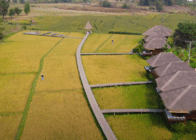
Located a few hours southwest of Hanoi, Pu Luong is a breathtaking sanctuary of cascading rice terraces, dense jungles, and traditional stilt-house villages. It offers the majestic scenery of Sapa but with a fraction of the tourist crowds, making it ideal for peaceful hiking and eco-resort stays.
Phong Nha-Ke Bang National Park
The adventure capital of Southeast Asia. Home to the oldest karst mountains in Asia and the largest cave networks on earth (including Son Doong and Paradise Cave), this region is an absolute paradise for trekkers, kayakers, and nature enthusiasts looking for raw adventure.
Con Dao Archipelago
For travelers looking to trade crowded beach resorts for pristine, untouched coastlines, Con Dao is an exceptional choice. This group of islands features crystal-clear waters, protected marine coral reefs, and tranquil boutique properties dedicated to sea turtle conservation.
Experiencing Tết 2026 (Lunar New Year): What to Expect
The Lunar New Year (Tết) is the most significant and deeply spiritual festival in the Vietnamese calendar. In 2026, the Year of the Fire Horse officially begins on February 17, with celebrations extending across a national 9-day break.
Tet 2026 Timeline: Feb 14 (Festivities Begin) ---> Feb 17 (New Year's Day)
---> Feb 22 (Break Concludes)
The Cultural Magic
During the days leading up to Tết, cities like Hanoi and Saigon transform into vibrant, open-air flower markets filled with brilliant pink peach blossoms and golden kumquat trees. The atmosphere is charged with excitement, family warmth, and cultural decorations.
Important Holiday Logistics
During the actual New Year days (February 17 to February 20), many family-owned shops, local markets, and museums temporarily close as staff spend time with family. Major hotels and international restaurants remain fully operational, but booking your cross-country flights and accommodation at least 4 to 6 months in advance is absolutely mandatory if your holiday falls inside this window.
Culinary Holidays: Eating Safely & Authentically
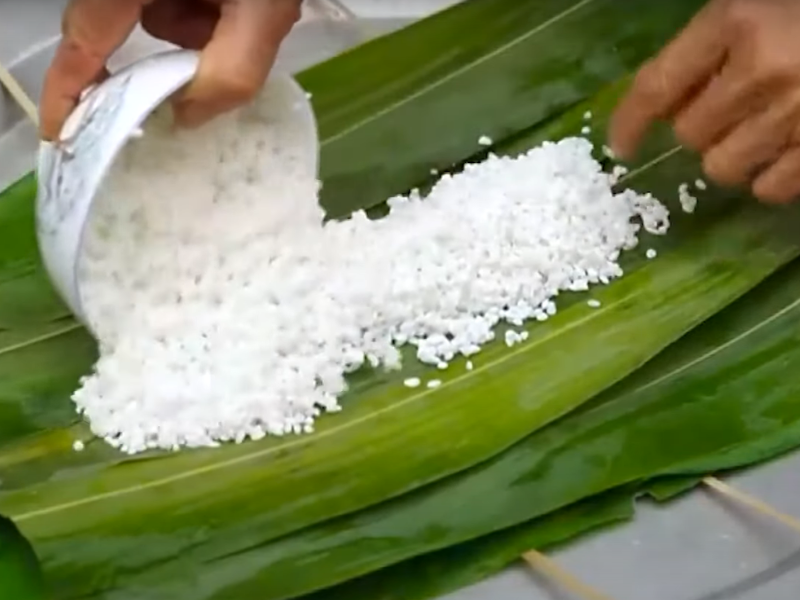
Food is a central pillar of any great holiday in Vietnam. The country’s cuisine is celebrated for its incredible freshness, balancing sweet, sour, salty, and spicy elements without relying heavily on oils or dairy.
Hygienic Street Food Checklist: High Foot Traffic + High Turnover + Visible Cooking
Iconic Dishes to Try
Pho (Noodle Soup): The ultimate national dish, consisting of a complex, long-simmered broth served with flat rice noodles and fresh herbs. Try Pho Bo (beef) or Pho Ga (chicken).
Banh Mi: A brilliant culinary fusion featuring a light, crispy French baguette packed with savory local meats, fresh cucumber, cilantro, and chili.
Banh Xeo: Crispy, savory Vietnamese crepes filled with shrimp, pork, and bean sprouts, wrapped in fresh lettuce leaves and dipped in a sweet fish sauce.
Essential Health Tips for Western Palates
To enjoy the world-renowned street food scene completely stress-free, always look for vendors that have a continuous stream of local families eating there. High turnover guarantees that the ingredients are fresh and cooked to order. Stick entirely to sealed bottled water, and avoid unpeeled fruits when exploring rural countryside villages.
Smart Financial Management: Cards, ATMs, and Local Currency
Managing your holiday finances in Vietnam is highly straightforward once you understand the basic cash-versus-card dynamic of the country.
The Cash-Dominant Culture
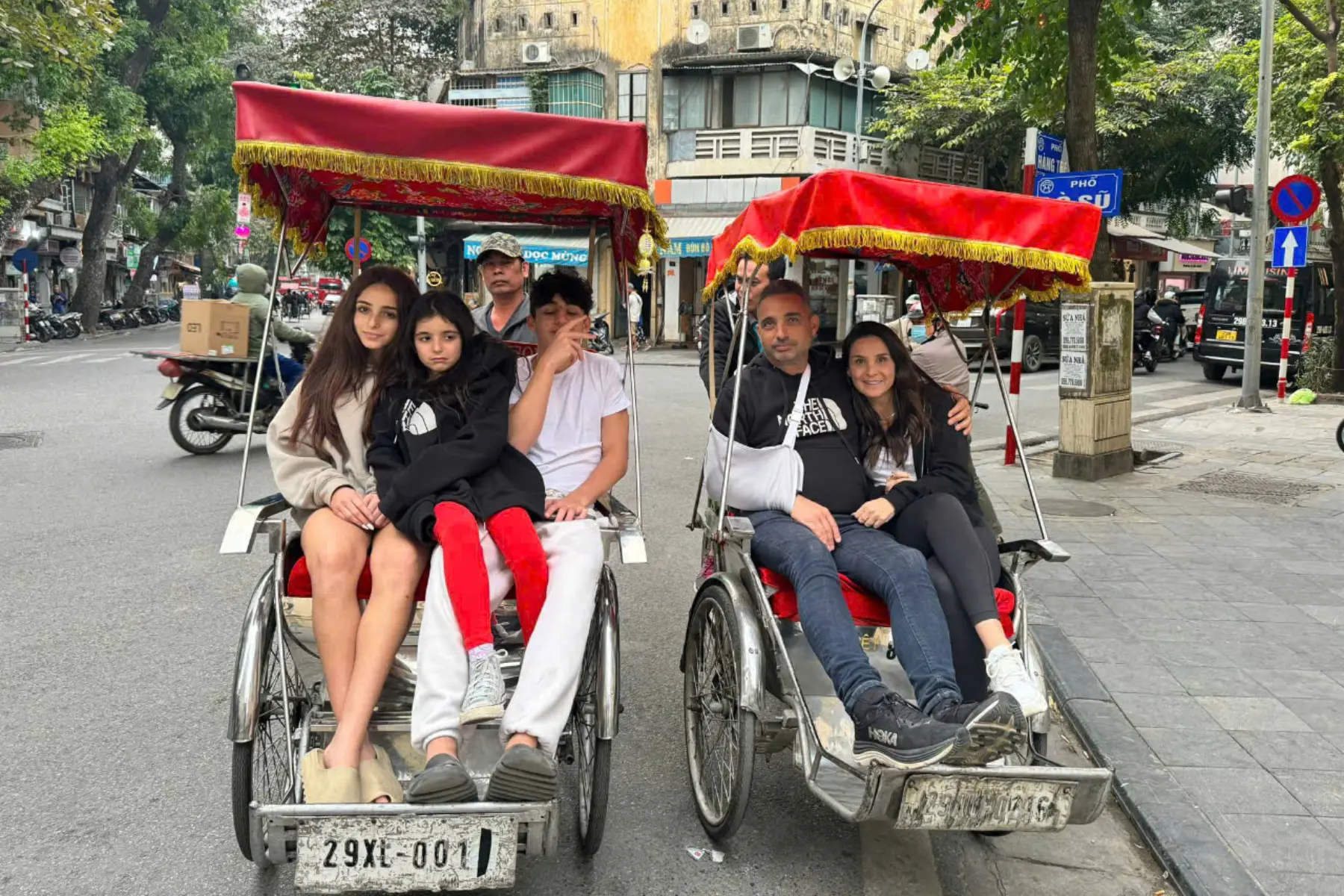
The official currency is the Vietnamese Dong (VND). While high-end luxury resorts, shopping malls, and upscale restaurants seamlessly accept international Visa and Mastercard, cash remains essential for paying street food vendors, local cyclos, and traditional market stalls.
Pro-Tip for ATMs: Use VPBank or TPBank for 0% Foreign Withdrawal Fees
Minimizing Transaction Fees
When withdrawing local currency, prioritize ATMs operated by reliable commercial entities like VPBank or TPBank. These specific institutions typically do not charge transaction fees for international debit cards, helping you save on unnecessary operational costs over a two-week holiday. Always notify your home bank of your travel dates to prevent your cards from being temporarily flagged or blocked.
Tech-Savvy Holiday: Digital Apps & Connectivity for 2026
Modern technology allows you to navigate Vietnam with total confidence, eliminating traditional language barriers and preventing unexpected tourist markups.
+-----------------------------------------------------------------------------+
|                          YOUR 2026 TRAVEL TECH STACK                        |
|                                                                             |
|   - GRAB APP       --> Fixed, transparent pricing for rides & food.         |
|   - 5G DATA eSIM   --> Instant, cheap data via Airalo or local carriers.    |
|   - GOOGLE LENS    --> Real-time translation of menus and historical signs. |
+-----------------------------------------------------------------------------+
Ride-Hailing Apps
Avoid hailing unmetered street taxis. Download Grab or Gojek as soon as you touch down. These apps calculate transparent, fixed pricing upfront, allowing you to secure reliable rides (via motorbike, standard car, or spacious 7-seater vans) directly linked to your credit card.
Mobile Connectivity via eSIM
Do not buy expensive roaming packages from your home network. Instead, purchase a digital 4G/5G eSIM online via providers like Airalo or directly from local networks like Viettel. For less than $10 USD, you can get a 30-day high-speed data plan that keeps you connected across the entire country.
Vietnam Visa Requirements for 2026: A Simple Guide
Securing entry into Vietnam is a streamlined digital process for citizens of the United States, United Kingdom, and Australia.
The Official Electronic Visa (E-visa)
The primary method for securing entry is through the official Vietnam E-visa Portal. Travelers can apply directly online by uploading a digital copy of their passport and a standard passport photo.
Validity Options: You can select either a 30-day or a comprehensive 90-day visa, available in both single-entry and multiple-entry formats.
Processing Time: Standard processing takes approximately 3 to 5 business days. Always apply at least two weeks before your scheduled departure date to ensure a stress-free travel experience.
Passport Rule: Ensure your passport is valid for at least 6 months beyond your planned arrival date and contains at least two blank pages for immigration stamps.
Packing Smart for a Multi-Regional 2026 Holiday
Because a classic North-to-South holiday can take you through cool mountain ranges, humid jungles, and sunny coastal beaches, packing versatile layers is essential.
The Clothing Checklist
Lightweight Moisture-Wicking Fabrics: Pack breathable linen, cotton, or athletic wear to stay comfortable in tropical climates.
Warm Layering Pieces: If your 2026 itinerary includes winter in Hanoi or hiking in Sapa, pack a lightweight fleece jacket or windbreaker.
Modest Temple Outfits: When visiting historic pagodas, temples, or holy sites, your shoulders and knees must be completely covered out of cultural respect. A lightweight scarf or sarong is a perfect, compact solution.
Essential Gear & Medical Kits
High-SPF Sunscreen & Mosquito Repellent: Premium Western brands can be surprisingly difficult to find and expensive to purchase in rural areas.
Universal Power Adapter: Vietnam primarily utilizes Type A, C, and G electrical outlets running at a standard 220V.
Footwear: Pack one pair of sturdy, comfortable walking shoes for city tours and hikes, alongside a pair of breathable sandals for beach days.
Sustainable & Responsible Travel Practices in Vietnam
As sustainable travel becomes a central focus in 2026, international visitors have an important role to play in preserving Vietnam’s pristine ecosystems and rich cultural identity.
Sustainable Travel: Support Local Artisans + Reduce Single-Use Plastics
+ Respect Traditions
Supporting Local Economies
Whenever possible, hire local, licensed guides and stay in community-run boutique homestays. When shopping for souvenirs in traditional craft villages, purchase directly from the artisans to ensure your tourist spend directly benefits the local community.
Minimizing Your Environmental Footprint
Vietnam’s stunning marine environments, such as Ha Long Bay and Phu Quoc, face challenges from plastic pollution. Carry a reusable water bottle, pack solid toiletries instead of single-use plastics, and choose tour operators that practice active waste management and reef-safe diving guidelines.
Ensuring Family Safety and Health on the Road
Vietnam is consistently recognized as one of the safest and most welcoming travel destinations in the world for solo travelers, couples, and families alike. Violent crime against tourists is extremely rare, but practicing standard travel awareness ensures a flawless trip.
Navigating City Traffic
Crossing the busy, motorbike-filled streets of Hanoi or Ho Chi Minh City can feel intimidating at first. The secret is to walk at a slow, steady, predictable pace. The local motorbike riders are highly skilled at reading pedestrian movement and will smoothly navigate around you as long as you do not make sudden stops or fast jumps.
Medical Peace of Mind
While minor stomach upsets can happen as your palate adjusts to new spices, major cities feature high-quality international clinics with English-speaking staff. Always secure comprehensive international travel insurance before departure to cover any unexpected medical needs, flight cancellations, or lost baggage.
Conclusion: Your Step-by-Step Action Plan to Top-Tier Value
Planning your holidays in Vietnam 2026 is an exciting journey that promises beautiful memories, rich cultural insights, and unparalleled travel value. To guarantee a smooth, successful trip, follow this expert action checklist:
Step 1: Choose your ideal travel window based on our regional weather guide (March–April is highly recommended for nationwide sunshine).
Step 2: Cross-reference your travel dates with the official 2026 public holiday calendar to plan your internal logistics effectively.
Step 3: Secure your international flights early to lock in optimal routing and competitive long-haul prices.
Step 4: Submit your official Vietnam E-visa application online at least two weeks before departure.
Step 5: Download your local travel apps (Grab, Gojek) and set up your fee-free ATM strategy.
Vietnam is ready to welcome you with open arms, stunning natural landscapes, and warm, world-class hospitality. Start planning your 2026 adventure today!
Frequently Asked Questions About Holidays in Vietnam 2026
Q1: Is it easy for Western travelers to get around Vietnam independently?
A: Yes, remarkably easy. Major tourist hubs feature clear English signage, and ride-hailing apps like Grab make urban transport completely transparent. For cross-country transit, booking domestic flights or comfortable sleeper trains online is highly efficient.
Q2: What is the tipping culture across Vietnam?
A: Tipping is not traditionally required or expected in casual local restaurants or street stalls. However, in high-end Western-facing boutique hotels, premium spas, or for private drivers and tour guides, a small tip is deeply appreciated and directly supports local service workers.
Q3: Can I use my credit card everywhere in Vietnam?
A: Credit cards are widely accepted at major hotel chains, established boutique restaurants, and modern shopping malls. However, for local street food vendors, open-air markets, small traditional cafés, and remote rural homestays, having cash (Vietnamese Dong) on hand is essential.
Meet the Expert Who Designed This Guide