For international travelers hailing from the US, UK, or Australia, visiting Vietnam is often a journey of sensory awakening. It is a country where ancient dynamic traditions live side-by-side with rapid modern progress. To truly unlock the soul of this Southeast Asian gem, there is no better way than experiencing its vibrant, deeply spiritual celebrations.
But what are the most celebrated Holidays in Vietnam? How do these festivals impact daily life, local businesses, and cross-country travel logistics?
Whether you want to witness thousands of glowing lanterns illuminating ancient river towns, watch dramatic dragon dances under a full mid-autumn moon, or plan your itinerary around national public closures, this definitive, master-level guide covers everything. Read on to discover the 16 essential cultural milestones, public holidays, and expert travel blueprints you need for an unforgettable Vietnamese adventure.
Cultural Foundations: Understanding the Solar vs. Lunar Calendars in Vietnam
To understand how holidays function in Vietnam, Western travelers must first grasp the duality of the country’s calendar system. While daily business, government offices, and international flights operate strictly on the Western Solar (Gregorian) Calendar, the heart and soul of Vietnamese cultural, spiritual, and family celebrations are governed by the ancient Lunar Calendar.
Because the Lunar Calendar tracks the phases of the moon, the exact dates of traditional Vietnamese holidays shift every single year on the Western calendar. For instance, a festival celebrated on the 15th day of the 8th lunar month might fall in mid-September one year and early October the next.
For tourists, this means you cannot simply look at a standard calendar to plan your trip. You must cross-reference your travel dates with local lunar projections to ensure you don’t accidentally miss—or unexpectedly get caught in the middle of—the country’s largest national celebrations.
The King of All Festivals: Tết Nguyên Đán (The Lunar New Year)
When answering what the most celebrated holiday in Vietnam is, Tết Nguyên Đán (commonly shortened to Tết) stands undisputed at the absolute peak. Marking the arrival of spring and the official turning of the Lunar New Year, Tết is the spiritual baseline of Vietnamese identity. It represents fresh beginnings, family reunions, and paying deep ancestral respect.
For locals, preparations for Tết begin weeks in advance. Homes are meticulously scrubbed and painted to sweep away the bad luck of the previous year. Streets transform into sea-like open-air markets filled with brilliant pink peach blossoms (Hoa Đào) in the cooler North, and radiant golden ochna flowers (Hoa Mai) in the tropical South.
The atmosphere during the pre-Tết days is electric, charged with anticipation, bustling commerce, and a profound sense of cultural pride that is incredibly moving for international visitors to witness.
Tết Traditions and Customs: A Foreign Traveler’s Insight
During the actual days of Tết, Vietnamese families strictly practice a beautiful array of ancient customs designed to manifest wealth, health, and happiness for the coming twelve months.
+-----------------------------------------------------------------------------+
|                          ESSENTIAL TẾT CUSTOMS                              |
|                                                                             |
|  - XÔNG ĐẤT     --> The critical "First Footer" who enters a home on Day 1. |
|  - LÌ XÌ        --> Bright red envelopes with lucky money given to children.|
|  - CÚNG GIA TIÊN--> Elaborate ancestral offerings of food, fruit, and wine. |
+-----------------------------------------------------------------------------+
One of the most critical concepts is Xông Đất, or the “first footing.” Locals believe that the first person to step foot into their house after the midnight stroke of the New Year dictates the family’s luck for the entire year. As a result, homeowners carefully choose a successful, healthy, and virtuous friend or relative to walk through their door first.
Children and elders are gifted Lì Xì—bright, gold-embossed red envelopes containing crisp, new paper currency accompanied by wishes for academic success or longevity. For a foreign traveler, understanding these subtle cultural nuances transforms you from a passive tourist into a deeply respectful global observer.
Culinary Heritage of Lunar New Year: Tasting Bánh Chưng and Bánh Tét
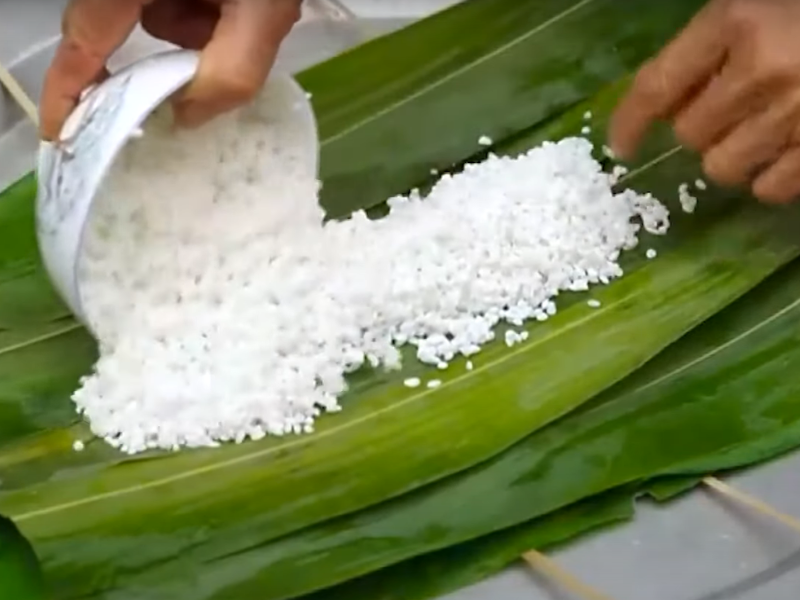
You cannot fully experience the spirit of Vietnam’s most celebrated holiday without diving into its rich culinary heritage. The absolute centerpiece of the New Year feast is Bánh Chưng (in the North) and its cylindrical counterpart, Bánh Tét (in the South).
[Bánh Chưng / Bánh Tét] ---> Glutinous Rice + Mung Bean + Fatty Pork
---> Wrapped in Lá Dong/Banana Leaves ---> Boiled for 12+ Hours
These historical cakes are culinary marvels of patience. Making them is a major multi-generational family event. Families gather around a roaring outdoor fire, boiling massive cauldrons of these tightly bound cakes for over 12 continuous hours.
The taste is rich, comforting, and deeply savory—the fatty pork melts completely into the creamy mung beans, infusing the sticky rice with a distinct, earthy fragrance from the green wrapping leaves. Sampling a slice of authentic Bánh Chưng during the New Year is an absolute rite of passage for food-loving travelers.
The Festival of Lights: Tết Trung Thu (The Mid-Autumn Festival)
If Tết is a holiday for the internal family unit, Tết Trung Thu (The Mid-Autumn Festival) is a glorious explosion of public joy, magic, and childhood wonder. Celebrated precisely on the 15th day of the 8th lunar month (typically falling in September or October), this ancient festival originally marked the end of the bountiful summer rice harvest. Today, it has evolved into a national celebration dedicated entirely to children.
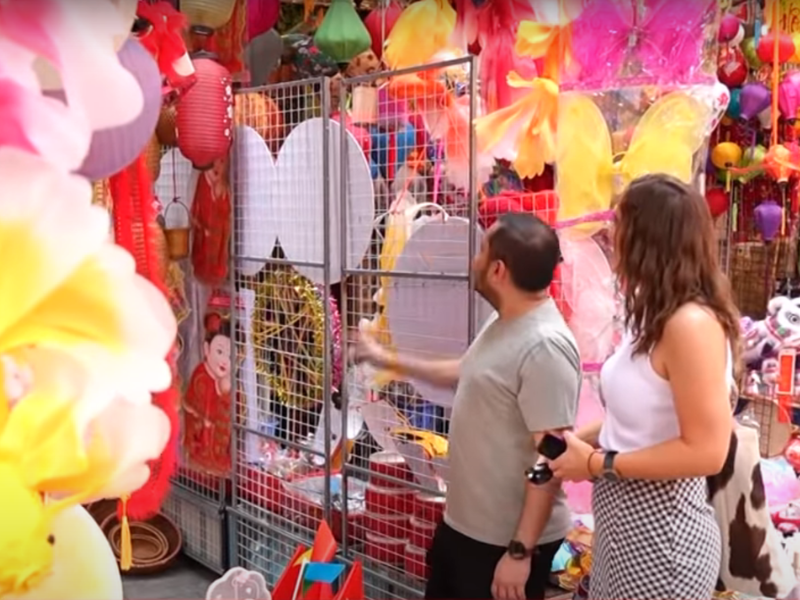
As darkness falls on Mid-Autumn night, the streets of Vietnam transform into a fairy-tale dreamscape. Children carry glowing, hand-frame paper lanterns shaped like stars, butterflies, and fish through the neighborhoods.
The air echoes with the energetic, syncopated beats of traditional drums as highly energetic dragon and lion dance troupes perform complex acrobatics on street corners, leaping high into the air to bring blessings of prosperity and protection to local shopkeepers.
The Flavor of Autumn: The Secrets Behind Traditional Mooncakes
The undisputed culinary symbol of the Mid-Autumn Festival is the Mooncake (known locally as Bánh Trung Thu). Weeks before the festival arrives, elaborate, brightly lit pop-up kiosks dominate the sidewalks of every major city, selling these dense, beautifully patterned delicacies packed in luxurious gift boxes.
Mooncakes primarily come in two distinct textures:
Bánh Nướng (Baked Cakes): Featuring a golden-brown, glossy wheat pastry crust that encases rich, complex fillings.
Bánh Dẻo (Sticky Rice Cakes): Made from fragrant, sweet pounded glutinous rice flour, resulting in a soft, snow-white, slightly chewy texture.
Traditional Filling (Thập Cẩm) ---> Candied Fruits + Roasted Seeds
+ Chinese Sausage + Salted Egg Yolk (Symbolizing the Full Moon)
For Western palates unaccustomed to mixing sweet and savory elements, the traditional Thập Cẩm (mixed nut and meat filling) can be an adventurous tasting experience. If you prefer simpler, sweet profiles, look for modern variations filled with smooth mung bean, rich lotus seed paste, roasted Vietnamese coffee, or premium dark chocolate.
Commemorating the Founders: Giỗ Tổ Hùng Vương (The Hung Kings Festival)
Moving into the sphere of profound national history, Giỗ Tổ Hùng Vương (The Hung Kings Commemoration Day) is an official public holiday celebrated on the 10th day of the 3rd lunar month (usually late April). This deeply revered day honors the ancient Hùng Kings, the legendary founding monarchs who established Văn Lang—the very first primitive state of the Vietnamese people thousands of years ago.
While the day is observed nationwide with citizens enjoying a formal day off from work, the true heart of the celebration beats at the historic Hùng Kings Temple Complex, perched majestically on Nghĩa Lĩnh Mountain in northern Phú Thọ Province.
Here, millions of local pilgrims make an epic trek up hundreds of stone steps to offer incense, elaborate flower wreaths, and traditional cakes to their ancient royal ancestors. It is a striking display of national unity and a powerful manifestation of Vietnam’s deeply ingrained cultural philosophy: “When drinking water, remember its source.”
Political Milestones: Reunification Day & Labor Day (April 30 – May 1)
For travelers looking to understand modern Vietnamese history, the consecutive public holidays of Reunification Day (April 30) and International Labor Day (May 1) offer immense historical context.
April 30 marks the historic anniversary of the events of 1975, when the country was officially reunited under a single sovereign government, bringing a definitive end to decades of devastating conflict.
April 30: Reunification Day (Modern History)
+ May 1: International Labor Day = Massive National Holiday Block
Across the nation, major cities like Hanoi and Ho Chi Minh City dress up elegantly in brilliant red national flags, historic propaganda banners, and spectacular evening fireworks displays. Because these two statutory holidays sit back-to-back, they create a major, highly anticipated holiday block for local citizens.
Working professionals across the country frequently combine these days with surrounding weekends to take massive domestic vacations, making this a period of intense travel activity across the country.
Showcasing National Pride: Independence Day (September 2)
National Independence Day, celebrated on September 2, is a public holiday packed with deep political and emotional significance. On this historic day in 1945, President Hồ Chí Minh stepped onto a grand wooden platform at Hanoi’s Ba Đình Square and officially read the Declaration of Independence, proclaiming the birth of the modern Democratic Republic of Vietnam to the global community.
If your holiday brings you to Hanoi on September 2, you will witness a breathtaking show of national unity:
The Ba Đình Flag Ceremony: Watch thousands of locals gather at dawn outside the grand Hồ Chí Minh Mausoleum to witness the solemn, highly disciplined military flag-raising ceremony.
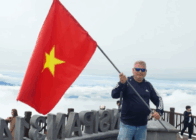
Red-Draped Architecture: Every single balcony, storefront, and quiet alleyway across the country flies the vibrant red flag with its central golden star, creating an astonishingly photogenic visual experience.
Cultural Parades: Public parks and open-air pedestrian walking streets come alive with free traditional musical performances, historical photo exhibitions, and festive community gatherings.
The Ghost Festival: Lễ Vu Lan (Mother’s Day & Hungry Ghost Month)
Celebrated on the 15th day of the 7th lunar month (typically August), Lễ Vu Lan is a deeply spiritual Buddhist holiday that beautifully combines ancestral devotion with filial piety. It is widely considered the Vietnamese equivalent of Western Mother’s Day, driven by a profound Buddhist legend of a devoted monk who traveled into the depths of the underworld to save his suffering mother.
On this poignant day, Buddhist pagodas across Vietnam are filled to capacity with locals offering prayers, chanting sutras, and practicing a moving ritual involving roses pinned to their clothing:
Red Rose Pinned ---> Your mother is alive and well
(A symbol of profound gratitude)
White Rose Pinned ---> Your mother has passed away
(A symbol of remembrance and honoring her spirit)
Simultaneously, locals believe the gates of the spiritual underworld are opened during this month, allowing wandering ancestral ghosts to visit the living world. Families lay out elaborate roadside tables laden with sweet rice porridge, fresh fruits, and votive paper offerings to appease these traveling spirits, creating a fascinating, deeply mystical atmosphere for cultural travelers.
Regional Spectacles: The Enchanting Hoi An Lantern Festival
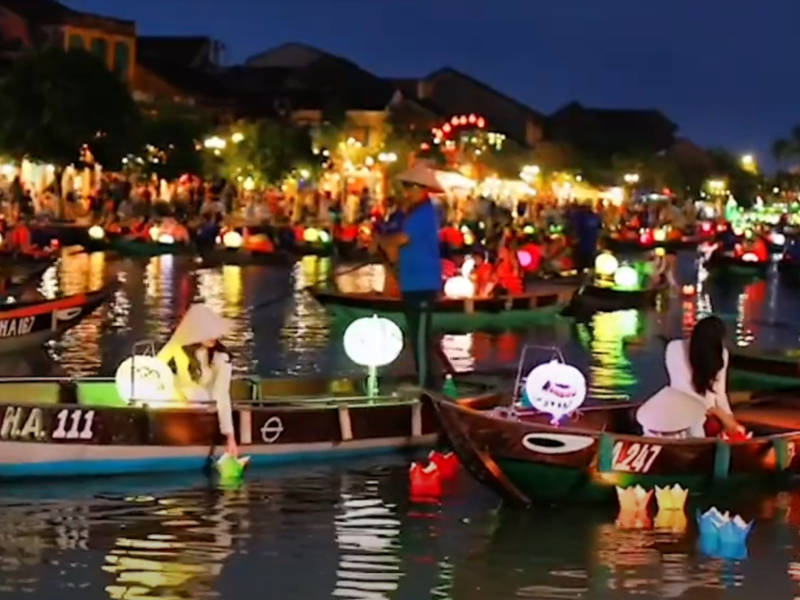
While many of Vietnam’s most celebrated holidays are annual events, the magical town of Hoi An hosts a globally famous cultural celebration every single month: The Hoi An Lantern Festival (known locally as the Legendary Night). Held on the 14th day of every lunar month when the moon shines at its absolute fullest, this event draws travelers from all corners of the globe.
Lunar 14th Night: Electric Lights Turned Off
---> Silk Lanterns Illuminated ---> Floating Paper Candles Released on Hoai River
As dusk settles over the UNESCO World Heritage town, every single modern electric light bulb, neon sign, and motorized vehicle is completely turned off. The entire ancient town is illuminated solely by the warm, soft, multicolored glow of thousands of traditional silk lanterns.
Locals and tourists gather along the banks of the serene Hoài River to release small, delicate cardboard lotus lanterns holding flickering candles onto the dark water, sending their deepest personal wishes drifting out toward the sea.
Local Festivals Worth Scheduling: Sapa, Ha Giang, and the Mekong Delta
Beyond the massive statutory public holidays, Vietnam is home to hundreds of dazzling regional festivals tied to specific geographic communities, ethnic minority groups, and agricultural cycles. Integrating these into your itinerary offers a rare look into localized cultural traditions:
Sapa & Ha Giang: Gầu Tào & Buckwheat Flower Festivals
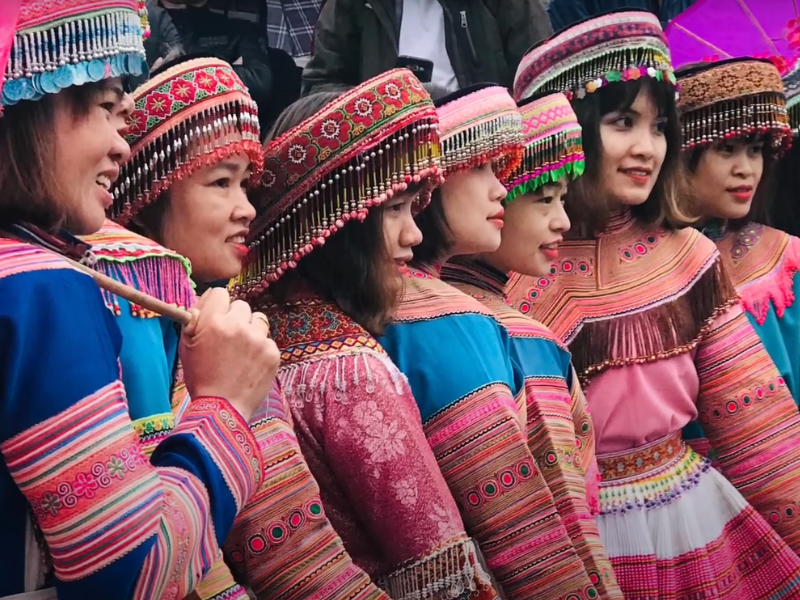
In the dramatic northern highlands, the Hmong ethnic minority celebrates the Gầu Tào Festival in early spring, featuring traditional pan-pipe dancing, archery contests, and horse racing. In late autumn, Ha Giang hosts the Buckwheat Flower Festival, celebrating the blooming of vast, sweeping fields of pink and purple blossoms across the jagged limestone karsts.
The Mekong Delta: Ok Om Bok Festival
Deep in the tropical South, the Khmer communities of Sóc Trăng and Trà Vinh provinces host the spectacular Ok Om Bok Festival in November. This vibrant harvest celebration features high-octane, competitive longboat races (Ghe Ngo) on the rivers, accompanied by traditional Khmer music, lantern releases, and thousands of cheering spectators along the riverbanks.
Essential Survival Guide: Traveling Safely During Major Public Holidays
Experiencing a celebrated holiday in Vietnam is immensely rewarding, but traveling during these peak statutory blocks (specifically Tết, Reunification Day, and Independence Day) requires smart, strategic logistical adjustments to ensure your trip runs smoothly.
+-----------------------------------------------------------------------------+
|                      HOLIDAY LOGISTICS SURVIVAL STRATEGY                    |
|                                                                             |
|  - BOOK EARLY   --> Secure all domestic flights/trains 4 to 6 months prior. |
|  - EXPECT DELAYS--> Build 2-hour buffers into all heavy transit schedules.  |
|  - BASE SAFELY  --> Stay in major cultural cities where services remain open.|
+-----------------------------------------------------------------------------+
The “Book Early” Golden Rule
During major holidays, millions of local citizens travel concurrently. Domestic flights via VietJet Air or Vietnam Airlines, along with cabins on the Reunification Express train, sell out completely months in advance. Never attempt to “wing it” or book last-minute transfers during these peak windows.
Navigating Local Business Closures
During the first three days of Tết, many family-owned street food stalls, local markets, and smaller boutique shops temporarily close as staff spend time with family. To manage this seamlessly, base your family in major cities (like Hanoi, Da Nang, or Saigon) where international hotel dining rooms, major supermarkets, and tourist-focused restaurants remain fully operational.
Financial Planning: Tipping, Holiday Surcharges, and Card Use
Understanding the micro-economics of traveling during celebrated Vietnamese holidays keeps your budget secure and prevents unexpected financial surprises on the ground.
Navigating Holiday Surcharges
It is standard and legal practice across the Vietnamese tourism sector for upscale restaurants, private boutique transport companies, and spa networks to apply a 10% to 20% holiday surcharge during major statutory blocks like Tết or New Year’s Day. This extra fee goes directly toward paying staff premium overtime wages for working through their traditional family holidays. Always check the footer of menus or double-check with hotel concierges beforehand.
Smart Cash Management
Because traditional markets and festive street vendors do not accept credit cards, keeping cash on hand is essential. However, during major holiday breaks, bank employees are off-duty, and high-traffic ATMs in central tourist districts can occasionally run out of physical cash currency by Sunday evening.
To avoid this, withdraw your spending money from ATMs operated by reliable, major commercial banks like VPBank or TPBank (which offer fee-free cash withdrawals for international cards) before the official public holiday block officially begins.
Cultural Etiquette for Western Travelers During Festive Seasons
When participating in or observing celebrated holidays in Vietnam, practicing proper cultural etiquette shows respect for local traditions and ensures you are welcomed with open arms by local communities.
Festive Etiquette: Wear Bright Colors + Use Polite Phrases + Respect Holy Spaces
Dress Code and Visual Harmony
During cultural celebrations like Tết or Lễ Vu Lan, color choices hold deep symbolic meaning. Always avoid wearing solid, unadorned black or white outfits, as these colors are traditionally associated with mourning and funerals. Instead, pack bright, festive colors like red, gold, orange, or vibrant blues, which symbolize prosperity, joy, and good luck.
Mindful Behavior in Sacred Spaces
When visiting active Buddhist pagodas or communal houses during holidays:
Cover Up: Ensure your shoulders and knees are completely covered. A lightweight cotton scarf or sarong is a great travel item to wrap around your waist or shoulders.
Remove Footwear: Always remove your shoes before stepping onto the polished wooden floors of inner temple sanctuaries if you see a row of shoes at the entrance.
Keep Volume Low: Speak in hushed, calm tones and avoid using flash photography near locals who are actively praying or offering incense to their ancestors.
Conclusion: Your Action Plan for an Immersive Festival Holiday
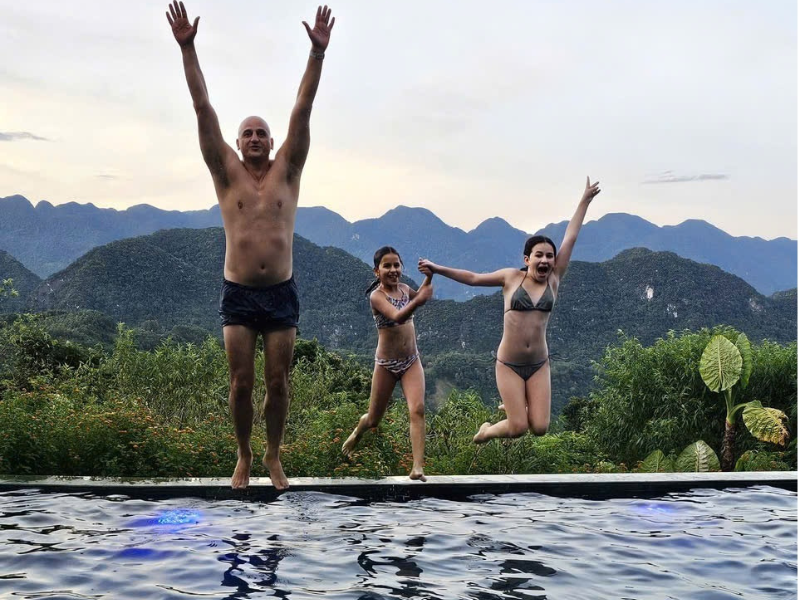
Experiencing the most celebrated holidays in Vietnam offers Western travelers a profound, front-row seat to one of the world’s most beautiful, resilient cultures. To successfully execute a festival-focused holiday, use this expert action checklist:
Step 1: Define Your Goal. Decide if you want the electric public energy of the Mid-Autumn Festival, the historic pride of Independence Day, or the deep cultural beauty of Tết.
Step 2: Check the Lunar Calendar. Cross-reference your target Western travel dates with the shifting Vietnamese lunar calendar to pinpoint the exact days the festivals take place.
Step 3: Secure Your Infrastructure. Lock in your international flights, domestic connections, and key boutique hotel suites 4 to 6 months in advance.
Step 4: Download Essential Travel Apps. Install Grab or Gojek for transparent, hassle-free transport, and purchase a high-speed 4G/5G eSIM via providers like Airalo for instant local connectivity.
Step 5: Embrace the Journey. Step out onto the vibrant streets with an open mind, a respectful heart, and a big appetite!
Vietnam’s holidays are waiting to envelop your family in a dazzling world of color, ancient rhythm, and unforgettable hospitality. Start mapping out your cultural journey today!
Frequently Asked Questions About Celebrated Holidays in Vietnam
Q1: Should a first-time Western tourist travel to Vietnam during Tết?
A: Traveling during Tết is highly rewarding for seasoned travelers who want deep cultural immersion, vibrant flower markets, and historic customs. However, if your primary goal is checking off lots of specific museums, shopping extensively, and moving between cities daily, the spring shoulder months (March–April) right after Tết offer an easier, more predictable pace.
Q2: What is the most polite way to wish someone a Happy New Year in Vietnamese?
A: The most widely used and beloved greeting across the entire country is “Chúc Mừng Năm Mới!” (pronounced Chook Moong Nam Moy). Saying this with a warm smile to hotel staff, taxi drivers, or local shopkeepers during the New Year period will bring immense joy and instant smiles to their faces.
Q3: Are public holiday events in Vietnam safe for families traveling with young children?
A: Yes, absolutely. Celebrations like the Mid-Autumn Festival are designed entirely around children. Vietnamese culture is incredibly family-centric, and locals will treat your children with immense kindness. Just use standard travel awareness in dense festive crowds, choose spacious multi-passenger vans via ride-hailing apps for safe city transport, and stick to sealed bottled water.
Meet the Expert Who Designed This Guide