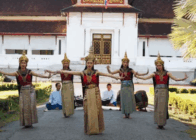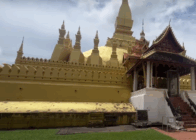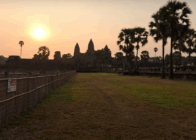
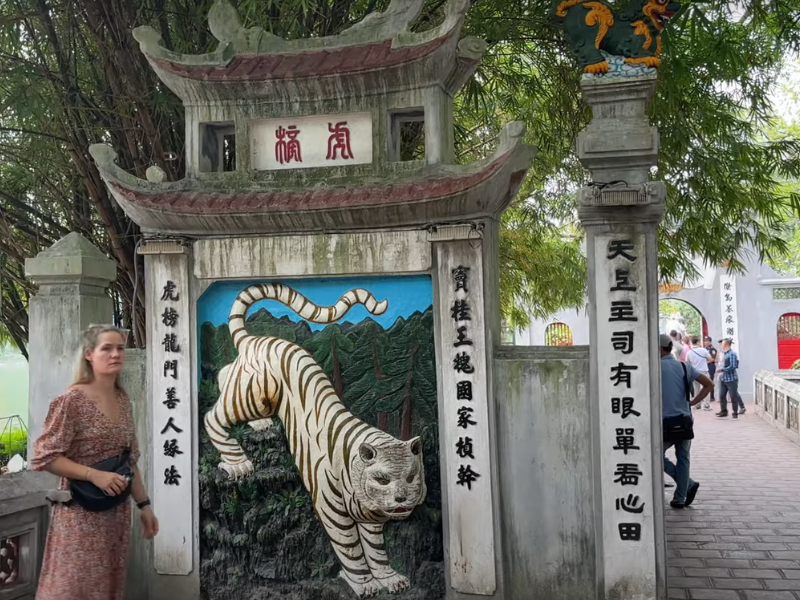
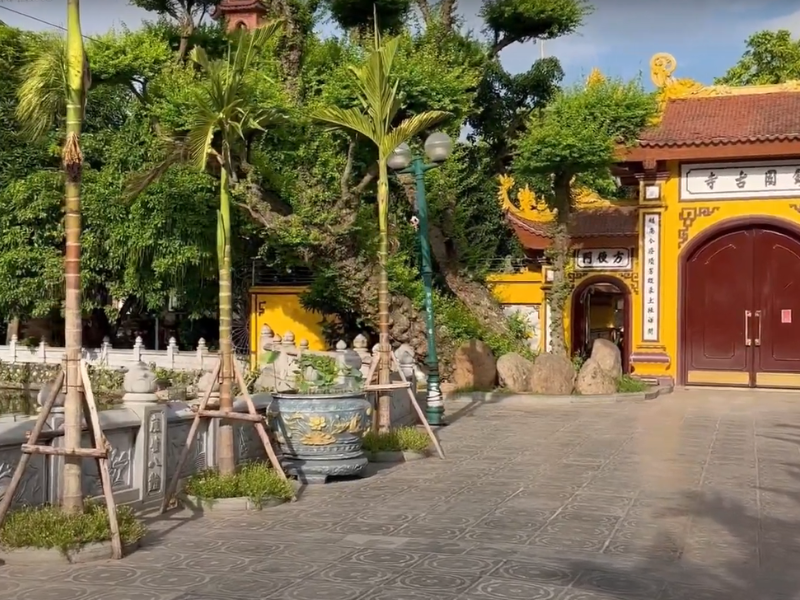
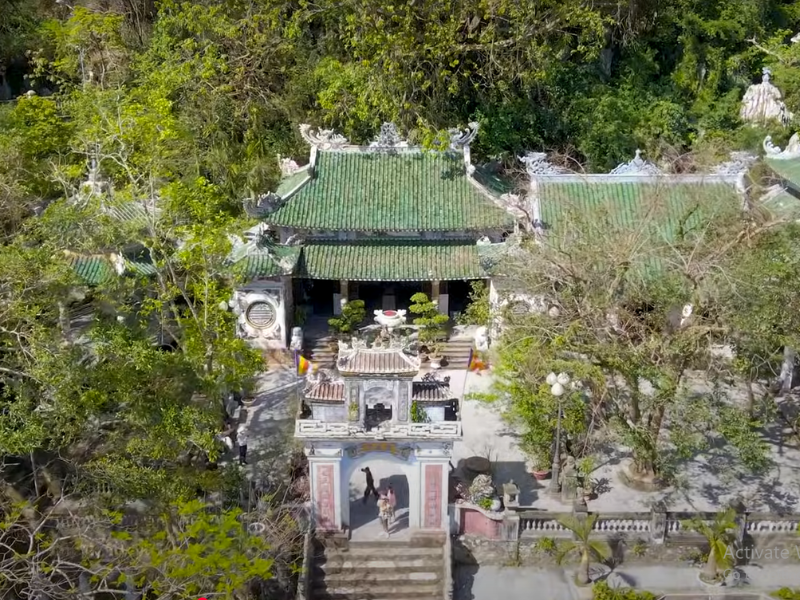
Visiting ancient temples, tranquil pagodas, historic assembly halls, and royal shrines is an indispensable highlight of any journey through Vietnam. From the iconic water-front setting of Tran Quoc Pagoda in Hanoi and the dramatic cave-shrines of the Marble Mountains in Da Nang, to the sacred incense-filled corridors of the Jade Emperor Pagoda in Saigon, Vietnam’s spiritual heritage spans over a thousand years.
However, entering these sacred spaces requires a mindful understanding of local customs—most notably, what to wear in Vietnam temples. While Vietnam’s urban centers are fashion-forward and relaxed, religious sites maintain strict cultural expectations regarding modesty, decorum, and reverence. Dressing inappropriately can lead to awkward moments, polite warnings from local worshippers, or even being denied entry altogether at prominent heritage sites.
Many international visitors face common packing dilemmas: Can you wear shorts or knee-length dresses in Vietnamese pagodas? Are shoulders required to be covered for both men and women? What type of footwear is best when you have to take off your shoes repeatedly? How can you stay cool in Vietnam’s tropical heat while adhering to conservative dress codes?
At Sao La Vietnam Tours, we advocate for culturally immersive, respectful, and unhurried travel. This comprehensive 3,000+ word dress code guide breaks down essential modesty principles, offers stylish and practical outfit recommendations for men and women, details site-specific rules across Vietnam’s iconic landmarks, and provides expert etiquette tips to ensure your cultural visits are seamless and memorable.
At a Glance: Vietnam Temple Dress Code Summary Matrix
To help you quickly prepare your daily wardrobe before heading out on a cultural tour, review this summary rulebook:
+-----------------------+---------------------------------------+---------------------------------------+
| Body Area / Category  | Acceptable & Recommended Choices       | Strictly Prohibited / Avoid These     |
+-----------------------+---------------------------------------+---------------------------------------+
| Upper Body (Tops)     | T-shirts, polo shirts, blouses, shirts| Tank tops, singlets, spaghetti straps |
|                       | (Must cover shoulders completely)     | Crop tops, deep V-necks, sheer fabrics|
| Lower Body (Bottoms)  | Long trousers, linen pants, jeans,    | Short shorts, mini skirts, running    |
|                       | midi/maxi skirts (Must cover knees)   | shorts, activewear leggings           |
| Footwear              | Slip-on shoes, loafers, flat sandals, | High heels (impractical for stairs),   |
|                       | clean sneakers (Easy to remove)       | Dirty boots inside inner sanctums     |
| Headwear & Optics     | Wide-brim hats, caps, sunglasses      | Wearing hats or sunglasses INSIDE      |
|                       | (Allowed in courtyards only)          | the main altar / prayer halls         |
| Cultural Special      | Traditional Vietnamese Áo Dài,         | Beachwear, transparent clothing,      |
|                       | Buddhist-style linen lounge sets      | Ripped jeans with large skin cutouts  |
+-----------------------+---------------------------------------+---------------------------------------+
The Core Principle: Understanding “Lịch Sự” (Modesty & Respect)
In Vietnamese culture, the concept of “Lịch sự” (politeness, modesty, and elegance) governs behavior and attire in sacred spaces. Understanding the spiritual mindset behind these rules makes choosing your outfit simple and intuitive:
[Cover Shoulders] ➔ [Cover Knees] ➔ [Avoid Revealing Cuts] ➔ [Remove Shoes & Hats at Altars]
1. Why Modesty Matters in Vietnamese Buddhism & Ancestor Worship
Vietnamese temples (Chùa) and shrines (Đền) are not merely tourist attractions or historical monuments; they are active places of worship, meditation, and spiritual refuge for local communities. Worshippers visit to pray to the Buddha, honor ancestral spirits, and seek inner peace.
Wearing overly revealing, loud, or beach-style clothing is viewed as a distraction to fellow worshippers and a sign of disrespect toward the deities, monks, and sacred traditions.
2. The Golden Rule of Temple Attire
The universal golden rule for both men and women visiting any religious site in Vietnam is simple:
Keep your shoulders covered, your knees covered, and your midriff entirely concealed.
What to Wear: Recommended Outfits for Women
Navigating Vietnam’s tropical humidity while adhering to modesty guidelines requires light, breathable fabrics and smart tailoring. Here are proven outfit combinations for women:
+-----------------------------------+-------------------------------------------------------------------+
| Recommended Top Choices           | Recommended Bottom Choices                                        |
+-----------------------------------+-------------------------------------------------------------------+
| • Short-sleeved cotton T-shirts   | • Flowy linen or cotton wide-leg trousers (Culottes)              |
| • Lightweight linen blouses       | • Midi or maxi skirts (Falling well below the knee)               |
| • Button-down short/long shirts   | • Ankle-length light jeans or chinos                              |
| • Polos or high-neck lightweight tops| • Loose cotton jumpsuit with covered shoulders                 |
+-----------------------------------+-------------------------------------------------------------------+
[Sleeved Linen Blouse] + [Flowy Culotte Pants] + [Slip-on Sandals] = Perfect Temple Outfit
1. Tops & Shirts: Sleeves are Non-Negotiable
Women should opt for tops that fully cover the upper arms and shoulders.
Great Choices: High-neck cotton T-shirts, breathable linen shirts, short-sleeved blouses, or tunic-style tops.
What to Avoid: Spaghetti straps, halter tops, tube tops, strapless dresses, tank tops, low-cut V-necks, and crop tops that expose the waist or belly button.
2. Skirts, Dresses & Trousers: Keep Knees Hidden
When wearing skirts or dresses, ensure the hemline clearly covers your knees—even when sitting or bending down.
Great Choices: Flowy wide-leg linen pants (culottes), loose palazzo trousers, ankle-length maxi skirts, or tailored cotton trousers.
What to Avoid: Mini skirts, short denim cutoffs, tennis skirts, skin-tight leggings, or dresses with high side slits that expose the thighs.
What to Wear: Recommended Outfits for Men
Men’s temple fashion is straightforward, focusing on neat, tidy, and respectful casual wear:
+-----------------------------------+-------------------------------------------------------------------+
| Recommended Top Choices           | Recommended Bottom Choices                                        |
+-----------------------------------+-------------------------------------------------------------------+
| • Classic crew-neck T-shirts      | • Lightweight linen trousers or chinos                            |
| • Short-sleeved polo shirts       | • Tailored knee-length shorts (Covering or touching the knee)     |
| • Short-sleeved button-down shirts| • Clean straight-leg jeans                                        |
+-----------------------------------+-------------------------------------------------------------------+
[Short-Sleeved Polo] + [Lightweight Linen Chinos] + [Loafers] = Smart Casual Temple Style
1. Tops: Collars or Neat T-Shirts
Men should choose neat, presentable tops.
Great Choices: Cotton polos, short-sleeved button-up shirts, or clean solid T-shirts.
What to Avoid: Sleeveless gym tank tops, singlets, athletic muscle shirts, or unbuttoned shirts exposing the chest.
2. Pants & Shorts: The Knee Coverage Standard
While long trousers are always the safest choice, neat knee-length shorts are generally accepted at most casual temples in Vietnam.
Great Choices: Lightweight linen trousers, casual chinos, or tailored bermuda shorts that touch or cover the knee.
What to Avoid: Very short athletic shorts, swim trunks, gym sweatpants, or heavily distressed jeans with large knee rips.
Fabric Selection for Vietnam’s Tropical Climate
Vietnam experiences high temperatures and humidity across most regions throughout the year. Dressing modestly does not mean you have to overheat! The secret lies in selecting the right natural, breathable textiles:
+-----------------------+---------------------------------------+---------------------------------------+
| Fabric Type           | Performance in Tropical Heat          | Recommendation Status                 |
+-----------------------+---------------------------------------+---------------------------------------+
| Linen                 | Exceptional airflow, ultra-lightweight| HIGHLY RECOMMENDED (Top Choice)       |
| 100% Organic Cotton   | Soft, highly absorbent, breathable    | HIGHLY RECOMMENDED                    |
| Rayon / Viscose       | Silky, lightweight, quick-drying      | RECOMMENDED                           |
| Bamboo Fabric         | Moisture-wicking, antibacterial, cool | RECOMMENDED                           |
| Polyester / Nylon     | Traps sweat, non-breathable, sticky  | AVOID FOR TEMPLE WALKS                |
| Thick Heavy Denim     | Heavy, holds moisture, slow to dry    | AVOID IN SUMMER MONTHS                |
+-----------------------+---------------------------------------+---------------------------------------+
Footwear & Headwear Etiquette: Crucial Details
Shoes and accessories are governed by specific cultural protocol once you arrive on temple grounds:
[Enter Courtyard with Shoes & Hat] ➔ [Approach Main Sanctuary] ➔ [Remove Hat & Take Off Shoes]
1. Footwear Protocol: Slip-On Options are Best
You will be required to remove your shoes repeatedly when entering the inner prayer halls (Chính Điện), altar rooms, and pagoda sanctuaries.
Best Shoes: Comfortable slip-on loafers, flat walking sandals with backstraps, canvas slip-ons, or easy-to-remove sneakers.
Pro-Tip: Wear or carry a light pair of socks. Walking barefoot on marble, tile, or stone temple floors during hot summer afternoons can be warm, and socks keep your feet clean and comfortable.
Where to Leave Shoes: Place your footwear neatly on the wooden shoe racks provided outside the shrine doors. Never wear shoes inside the carpeted or wooden altar areas.
2. Hats, Caps & Sunglasses
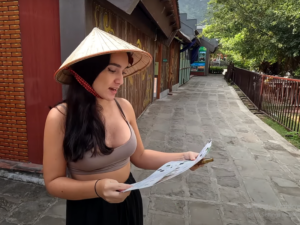
Courtyards: You may freely wear wide-brim hats, conical palm hats (Nón Lá), caps, and sunglasses while walking through outdoor courtyards, gardens, and pagoda grounds.
Inside Altar Halls: You MUST remove all hats, caps, and sunglasses before stepping into the main prayer room. Wearing headwear inside an altar room is considered rude and disrespectful to the monks and deities.
Cultural Special: Wearing the Traditional Áo Dài at Temples
Wearing Vietnam’s traditional national costume—the Áo Dài—is one of the most culturally respectful, beautiful, and photogenic choices a visitor can make when visiting religious landmarks.
[Form-Fitting Silk Tunics] + [Flowy Wide-Leg Silk Pants] = Timeless Cultural Elegance
What is an Áo Dài? It is a long, split-side silk tunic worn over loose, flowing wide-leg trousers.
Is it Acceptable for Foreign Tourists to Wear an Áo Dài? Absolutely! Local Vietnamese people love seeing international visitors appreciate and wear their national attire. It is inherently modest, as it fully covers the neck, arms, and legs while remaining elegant.
Where to Rent or Buy: You can easily rent or purchase tailored Áo Dài in historic districts such as Hanoi’s Old Quarter, Hoi An Ancient Town, and Saigon’s District 1.
Site-Specific Dress Codes Across Vietnam’s Major Religious Landmarks
While modesty rules are universal, different types of religious and historical sites across Vietnam have slight nuances in strictness:
+-------------------------------------------------------------------------------------------------------+
| 1. BUDDHIST PAGODAS (e.g., Tran Quoc in Hanoi, Linh Ung in Da Nang, Vinh Nghiem in Saigon)           |
| • Focus: Strict knee and shoulder coverage required. Shoes MUST be removed at main altars.            |
+-------------------------------------------------------------------------------------------------------+
| 2. ROYAL SHRINES & TEMPLES OF LITERATURE (e.g., Temple of Literature Hanoi, Imperial Hue Tombs)       |
| • Focus: Formal, neat attire preferred. Smart casual trousers and collared shirts work best.           |
+-------------------------------------------------------------------------------------------------------+
| 3. ANCIENT CHAM TOWERS (e.g., Po Nagar Cham Towers in Nha Trang, My Son Sanctuary in Quang Nam)        |
| • Focus: Cham sites often enforce strict robe rules. Cover-up shawls/robes are provided at entrances.  |
+-------------------------------------------------------------------------------------------------------+
| 4. CATHEDRALS & CHURCHES (e.g., St. Joseph Cathedral Hanoi, Notre-Dame Cathedral Saigon)               |
| • Focus: Standard Christian modesty—covered shoulders/knees. Quiet behavior during mass services.     |
+-------------------------------------------------------------------------------------------------------+
Emergency Wardrobe Hacks: What If You are Underdressed?
It happens to even the most seasoned travelers: you are out exploring on a hot afternoon wearing shorts and a tank top, and you unexpectedly stumble upon a breathtaking historic pagoda you want to visit. Here is how to fix your outfit on the spot:
+-----------------------------------+-------------------------------------------------------------------+
| Quick Emergency Fix               | How to Execute It                                                 |
+-----------------------------------+-------------------------------------------------------------------+
| 1. The Large Sarong or Scarf Hack | Keep a lightweight linen sarong or pashmina scarf in your daypack. |
|                                   | Wrap it around your waist as a maxi skirt or over your shoulders. |
| 2. On-Site Covering Robes         | Many major sites (e.g., Po Nagar, Bai Dinh) provide free gray     |
|                                   | visitor robes at the entrance gate for underdressed tourists.    |
| 3. Local Vendor Cover-Ups         | Local vendors near popular temple gates frequently sell affordable|
|                                   | light elephant pants or scarves for $2 to $5 USD.                 |
+-----------------------------------+-------------------------------------------------------------------+
Beyond Clothes: Essential Vietnam Temple Etiquette
Dressing appropriately is only the first step. To ensure a completely respectful cultural visit, follow these foundational etiquette guidelines:
[Quiet Voice] ➔ [Step OVER Thresholds] ➔ [No Flash Photo at Altars] ➔ [Walk Clockwise Around Stupas]
Step OVER the Wooden Threshold: When stepping through ancient wooden doorways into prayer halls, NEVER step directly on the elevated wooden threshold board. Culturally, the threshold is considered the resting place or boundary of protective spirits. Always step cleanly over it.
Mindful Photography: Photographing outer architecture, courtyards, and gardens is universally welcomed. However, never shoot flash photography directly at monks or individuals in deep prayer. Some sacred inner altars prohibit photography altogether; always look for “No Photography” signs.
Keep Voices Soft & Mobile Phones Silent: Lower your voice to a respectful quiet tone upon entering temple grounds. Turn your mobile phone ringtone to silent or vibrate.
Circumambulate Clockwise: When walking around stupas, statues, or sacred altars, move in a clockwise direction in accordance with traditional Buddhist customs.
Never Point Feet at Buddha Statues: When sitting on the floor in an altar room, fold your legs neatly beneath you or sit cross-legged. Pointing the soles of your feet directly at Buddha statues or monks is considered impolite in Asian culture.
Frequently Asked Questions (FAQ)
1. Can you wear jeans to Vietnam temples?
Yes! Jeans are fully acceptable for both men and women as long as they are clean, presentable, and do not feature excessive distressing or large ripped holes exposing thighs or knees.
2. Are shorts allowed in Vietnamese pagodas?
Shorts are acceptable ONLY IF they reach or cover the knees (such as tailored bermuda shorts or long chinos). Short running shorts, gym shorts, and denim cutoffs above the knee are strictly frowned upon and may result in denied entry at major sites.
3. Can I wear a sleeveless dress if I cover my shoulders with a scarf?
Yes. Draping a large, non-see-through scarf, shawl, or cardigan over a sleeveless dress to cover your shoulders fully satisfies local temple modesty guidelines.
4. Do I have to pay to borrow robes at temples?
At most major heritage sites that enforce strict dress codes (such as Po Nagar Cham Towers in Nha Trang or Bai Dinh Pagoda in Ninh Binh), long gray cover-up robes are provided for free near the entrance to help tourists cover up appropriately.
Immerse in Authentic Vietnamese Culture with Sao La Vietnam Tours
Navigating local customs, understanding spiritual etiquette, and discovering off-the-beaten-path heritage sites shouldn’t feel overwhelming. At Sao La Vietnam Tours, we craft unhurried, tailor-made, and deeply authentic cultural itineraries across Vietnam, Laos, and Cambodia.
Whether you wish to join an early morning meditation walk with a local guide at an ancient Hanoi pagoda, explore the majestic royal tombs of Hue, or embark on a quiet heritage journey through Ninh Binh and Ha Long Bay, our expert local team ensures your travels are culturally enriching, comfortable, and unforgettable.
Tailor-Made Cultural Itineraries: Fully custom-built journeys designed around your personal pace, interests, and style.
Local Expert Guides: Gain deep insights into Buddhist philosophy, royal history, and local temple traditions from native experts.
Unsurpassed Ground Support: Enjoy 24/7 dedicated support, VIP private transfers, and hand-picked boutique heritage stays.
Plan Your Custom Vietnam Heritage Tour Today
Ready to explore the breathtaking temples, vibrant culture, and historic landscapes of Vietnam with total confidence and comfort? Contact our travel specialists today to design your dream journey.