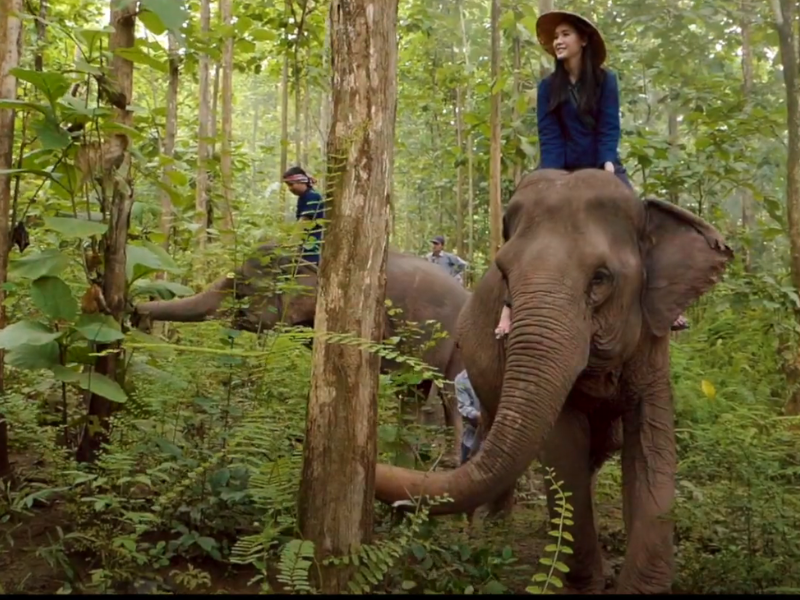
Beyond the Jungle Canopy
Vietnam is one of the world’s top biodiversity hotspots, but for a first-time visitor, the true magic lies in its Endemism. Many species found here exist nowhere else on Earth. In 2026, wildlife tours in Vietnam have evolved from simple sightseeing to “Conservation-First” expeditions.
At Sao La Vietnam Tour, we guide you away from the myths and toward reality. You won’t find tigers or orangutans here (as those are not native to our wild), but you will find the Delacour’s Langur, the Gibbons, and the Asiatic Black Bears. This guide explores the most ethical and rewarding ways to witness Vietnam’s wild heart, starting with the legendary sanctuaries of the North.
2. Cuc Phuong National Park: The Cradle of Conservation
Located just 120km from Hanoi, Cuc Phuong is Vietnam’s oldest national park and a global leader in primate rehabilitation.
2.1. The Endangered Primate Rescue Center (EPRC)
For first-time visitors, this is the most impactful start to a National Park tour.
The Experience: You aren’t visiting a zoo; you are visiting a world-class sanctuary. The EPRC houses over 180 primates across 15 species, including the critically endangered Delacour’s Langur (with its distinctive white “pants”).
The 2026 Fact: In 2026, the center utilizes Non-Invasive Observation Decks, allowing tourists to see these rare primates in large semi-wild enclosures without causing stress to the animals.
The Turtle Conservation Center: Right next door, you can see rare soft-shell turtles and learn about the efforts to protect them from illegal wildlife trade.
2.2. Bird Watching: The Spring Symphony
Cuc Phuong is a paradise for birders, especially from February to May.
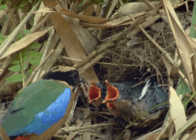
The Species: Keep your binoculars ready for the Silver Pheasant, the Red-collared Woodpecker, and the vibrant Bar-bellied Pitta.
Expert Tip: Join our Early Bird Trek at 5:30 AM. Our guides use high-quality spotting scopes and possess the “Local Ear” to identify species by their calls alone.
3. Van Long Nature Reserve: The “Terracotta” Wetland
While not a national park, Van Long is the best place in the world to see the Delacour’s Langur in the absolute wild.
3.1. Boat Cruises for Wildlife Spotting
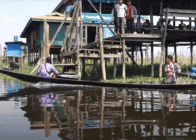
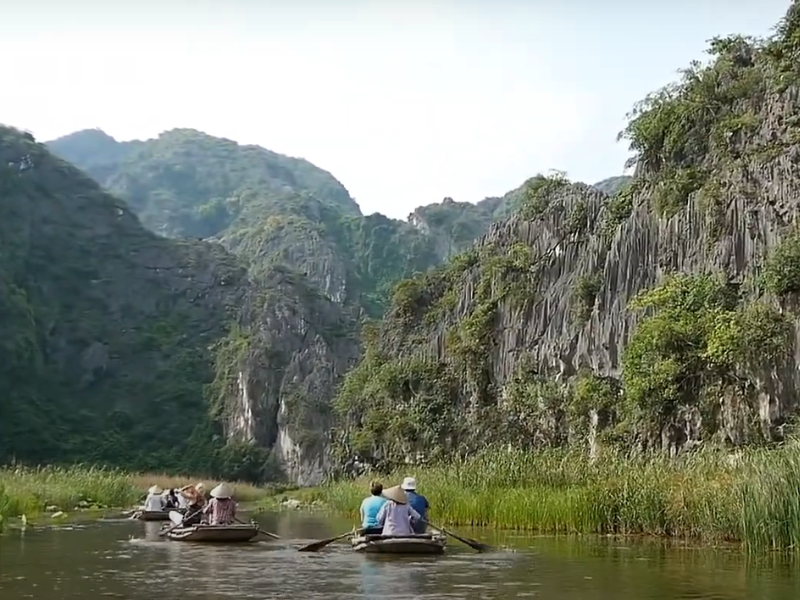
Unlike the busy boat rides of nearby Tam Coc, a Van Long Boat Tour is silent and serene.
The Sightings: As your local rower glides through the reeds, look up at the limestone cliffs. You will often see families of Langurs jumping between the rocks.
The Aesthetic: The mountains here are nicknamed “The Cat’s Scratch” because of their jagged textures. In the late afternoon, the reflection of the mountains on the still water creates a “mirrored world” that is a dream for wildlife photography tours.
4. Ba Be National Park: The Jungle and the Jade Lake
Heading further North, Ba Be offers a more rugged, “off-the-beaten-path” adventure for nature lovers.
4.1. The Biodiversity of the Lake
The Boat Experience: A Ba Be Boat Tour isn’t just about the scenery; it’s about the riparian ecosystem. Look out for the Grey-headed Fish Eagle diving into the jade-colored water.
The Bat Cave (Hang Doi): This cave is home to thousands of bats. It is a vital part of the park’s ecosystem, and in 2026, Sao La Tours provides “Silent Entry” tours to observe these nocturnal mammals without disturbing their sleep.
4.2. Night Trekking (Nocturnal Animal Spotting)
Ba Be is one of the few places where you can safely explore the jungle at night with a ranger.
What to Expect: You likely won’t see leopards (which are nearly extinct in the wild here), but you will see Civets, Flying Squirrels, and the glowing eyes of Slow Lorises. It is a sensory experience where the sounds of the jungle take center stage.
5. Strategic Wildlife Guide: Northern Species Profile
| Species | Best Location | Rarity Level | Best Viewing Time |
| Delacour’s Langur | Van Long / Cuc Phuong | Critically Endangered | Late Afternoon (16:00) |
| Asiatic Black Bear | Cuc Phuong Rescue Center | Endangered | Feeding times (Mid-day) |
| Silver Pheasant | Cuc Phuong Jungle | Rare | Early Morning (06:00) |
| Slow Loris | Ba Be Night Trek | Rare / Nocturnal | After 20:00 |
6. Ethical Wildlife Etiquette in 2026
At Sao La Vietnam Tour, we adhere to the Global Wildlife Travel Code:
Silence is Golden: Loud noises scare animals and ruin the experience for others.
No Feeding: Feeding wild animals disrupts their natural diet and makes them dependent on humans.
Flash-Free Photography: Flashes can blind or disorient nocturnal animals like Lorises and Owls.
Distance Matters: We use high-zoom optics so you can get a “close-up” shot without invading the animal’s personal space.
7. Cat Tien National Park: The Jewel of the South
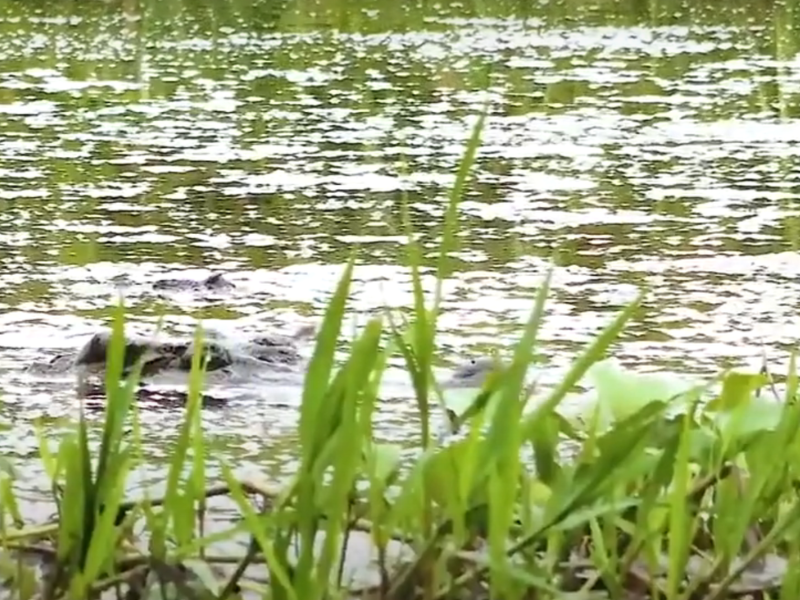
Located between Ho Chi Minh City and Dalat, Cat Tien is arguably the most accessible and biodiversity-rich destination for a Vietnam wildlife tour. In 2026, it stands as the gold standard for Night Safari Nocturnal Animal Spotting.
7.1. The Night Safari: Eyes in the Dark
This is the highlight for first-time visitors.
The Experience: You board an open-top jeep with a powerful (but filtered) spotlight. As the vehicle crawls through the grasslands, our guides look for the reflective eyes of the forest’s residents.
The Sightings: You won’t see leopards (which have sadly retreated to the deepest, inaccessible ridges), but you will see Sambar Deer, Wild Boars, Civets, and Porcupines. If you are lucky, you might spot a Pangolin—the world’s most trafficked mammal—scurrying into the brush.
The 2026 Tech: Sao La Vietnam Tour provides guests with Thermal Imaging Binoculars, allowing you to see the heat signatures of animals hidden behind dense foliage.
7.2. Dao Tien Endangered Primate Species Centre
The Singing Gibbons: Wake up at 5:00 AM to the haunting, beautiful “songs” of the Golden-cheeked Gibbons.
The Mission: This center specializes in the rescue and release of primates. Visiting here provides a deep understanding of the complex process of returning a captive animal to the wild.
8. Chu Mom Ray: The Wild Frontier of the Central Highlands
For those seeking a true Wildlife Adventure Tour, Chu Mom Ray National Park in Kon Tum is the frontier. It is part of a massive transboundary conservation area shared with Laos and Cambodia.
8.1. Elephant Corridors and Ancient Trails
The Reality: While seeing a wild Asian Elephant is rare, our Jungle Trekking Tours in Chu Mom Ray focus on tracking. You will see fresh footprints, dung, and “rubbing trees” where these giants have passed.
The Hidden Gems: This park is a stronghold for the Grey-shanked Douc Langur, a primate so colorful it is often called the “Queen of Primates.”
9. Cave Exploring: Wildlife in the Dark (Quang Binh Province)
Vietnam’s world-famous caves are not empty voids; they are unique ecosystems home to specialized wildlife.
9.1. The Blind and the Winged
Bats and Swifts: In caves like Hang En or Son Doong, you will witness the “Great Shift” at dusk—thousands of swifts returning to the cave while thousands of bats head out to hunt.
Troglobites: Our Cave Exploring Tours reveal a world of eyeless, translucent crickets, spiders, and fish that have evolved to live in total darkness for millions of years.
10. Wildlife Photography: Capturing the “Green Flash”
Vietnam’s dense jungles make photography challenging but incredibly rewarding. At Sao La Vietnam Tour, we offer tailored Wildlife Photography Tours with specific gear advice for 2026.
10.1. The Photographer’s Toolkit
The “Fast” Lens: You need a lens with a wide aperture (f/2.8 or f/4) to handle the low light under the jungle canopy.
Silent Shutter: We recommend using mirrorless cameras with electronic shutters to avoid the “click” that can startle a nervous Gibbon.
Macro Magic: Don’t just look for big animals. Vietnam’s Insects and Reptiles—from Orchid Mantises to Neon-colored Pit Vipers—are stunning subjects for macro photography.
11. Wildlife Tourism Decision Matrix: Central & South
| Experience | Best Location | Difficulty | Target Wildlife |
| Night Jeep Safari | Cat Tien | Easy | Deer, Civets, Wild Boars. |
| Primate Trekking | Cat Tien / Son Tra | Moderate | Gibbons, Red-shanked Doucs. |
| Deep Jungle Trek | Chu Mom Ray | Hard | Rare Birds, Tracks of Large Mammals. |
| Cave Wildlife | Phong Nha-Ke Bang | Moderate | Bats, Swifts, Cave Insects. |
12. Tam Coc – Bich Dong: Where Heritage Meets Habitat
Often called “Halong Bay on Land,” this UNESCO World Heritage Site is more than just a boat ride through rice paddies. In 2026, Tam Coc – Bich Dong has become a model for integrating community tourism with wildlife preservation.
12.1. The Avian Gateway
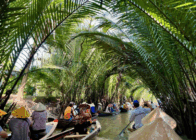
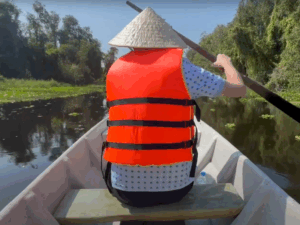
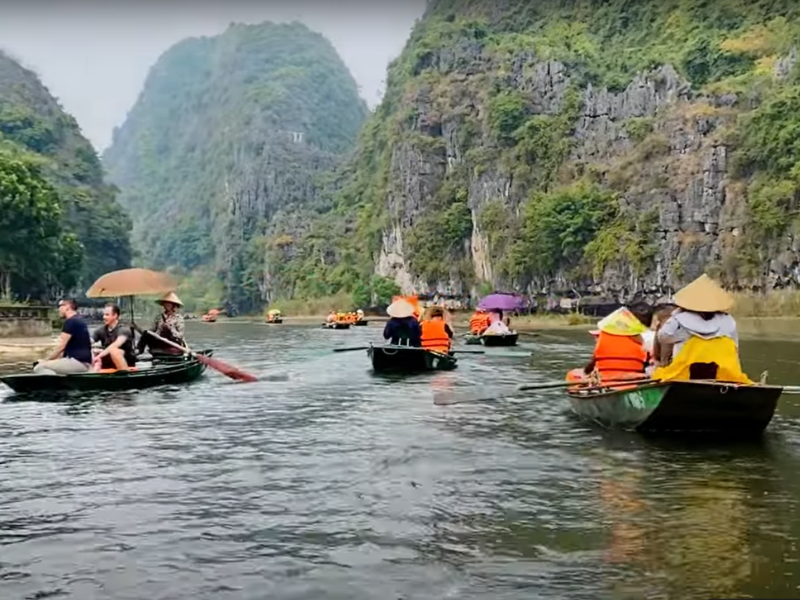
The Experience: As your small wooden boat glides through the limestone grottoes, keep your eyes on the sheer cliffs. You are likely to spot the Crested Kingfisher or the Great Egret nesting in the crevices.
The “Monkey” Connection: While rare, the Delacour’s Langur has been reintroduced to nearby protected pockets. From your boat, you can sometimes see these “white-trousered” primates scaling the karst walls above the ancient pagodas.
The Sao La Edge: We offer “Silent Rowing” tours at dawn, allowing you to reach the inner grottoes before the day-trip crowds arrive, significantly increasing your chances of spotting rare waterfowl.
13. The 2026 Wildlife Calendar: When to Go?
Vietnam’s weather varies wildly from North to South. Planning your Vietnam wildlife tour around the seasons is the difference between a muddy trek and a photographic masterpiece.
| Season | Best Region | Wildlife Focus |
| Feb – May | North (Cuc Phuong, Ba Be) | Bird Nesting & Butterflies. Thousands of white butterflies create a “snowing” effect in Cuc Phuong in April. |
| May – Aug | South (Cat Tien) | Primates & Mammals. The dry season makes animals congregate around water holes, making them easier to spot. |
| Sept – Nov | Central Highlands | Gibbons & Migratory Birds. The cooling air brings the Gibbons lower into the canopy for feeding. |
| Dec – Feb | Central (Quang Binh) | Cave Wildlife. The lower water levels make cave exploration safer and more accessible. |
14. Safety & Health: The Jungle “Survival” Kit
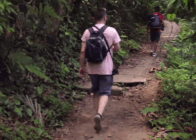
Exploring the wild requires preparation. At Sao La Vietnam Tour, we provide all guests with a safety briefing before every trek.
The Insect Factor: Leeches and mosquitoes are common in the humid rainforests. We provide Leech Socks (tất chống vắt) and high-DEET repellents for all our trekkers.
Vaccinations: Ensure you are up to date on basic vaccinations (Hepatitis A/B, Tetanus). For deep jungle treks in Chu Mom Ray, consult your doctor about malaria prophylaxis.
Hydration: In 2026, we utilize Filtered Reusable Bladders, allowing you to drink safely from mountain springs while reducing plastic waste in the national parks.
15. The Sao La Commitment: Conservation Through Tourism
Why choose Sao La Vietnam Tour for your first-time wildlife experience?
Certified Rangers: Our guides are trained by conservationists. They don’t just “show” you an animal; they explain its role in the ecosystem.
Zero-Trace Policy: We carry out everything we carry in. We use eco-friendly soaps in our jungle camps and support “Plastic-Free” lodges.
Giving Back: 10% of our Wildlife Tour profits are donated directly to the Wildlife At Risk (WAR) organization and local reforestation projects.
16. FAQ: Wildlife Tours in Vietnam
Q1: Can I see Tigers or Leopards in Vietnam?
Answer: While Vietnam is historically home to these predators, they are extremely rare and rarely seen by tourists. Our tours focus on the Gibbons, Langurs, Bears, and Deer that still thrive in our protected forests.
Q2: Is wildlife trekking difficult for seniors or children?
Answer: We have routes for everyone! Cuc Phuong and Tam Coc offer paved paths and boat rides suitable for all ages. Cat Tien offers jeep safaris that require very little walking.
Q3: Can I touch or take photos with the animals?
Answer: We strictly forbid touching or holding wildlife. Photos are encouraged, but we prohibit the use of flash near primates and nocturnal animals to prevent eye damage and distress.
17. Conclusion: The Wild Call of Vietnam
From the butterfly-filled forests of Cuc Phuong to the haunting songs of the Golden-cheeked Gibbons in the South, Vietnam offers a wildlife experience that is raw, authentic, and deeply moving. It is a land of recovery and resilience, where every sighting of a rare langur is a victory for conservation.
Don’t just visit Vietnam—witness its heartbeat.
18. Embark on Your Wild Adventure Today
The jungle is waiting. At Sao La Vietnam Tour, we have the expertise to lead you safely into the wild.
Contact us now – Let’s find the wild side of Vietnam together.