
Rising out of the calm turquoise waters of the Gulf of Thailand, Phu Quoc—often poeticized as the “Pearl Island”—is Vietnam’s premier tropical sanctuary. Encompassing 574 square kilometers of lush coastal national park, emerald pepper plantations, and powdery white-sand beaches, this island destination represents a masterclass in Southeast Asian coastal living.
Yet, for many international travelers planning a tropical escape, creating an effective island itinerary presents a logistical puzzle. Phu Quoc is rapidly evolving into a dual-faceted paradise: on one side, pristine UNESCO biosphere reserves and secluded fishing hamlets; on the other, world-record cable cars, Mediterranean-inspired coastal towns, and ultra-luxury beachfront sanctuaries.
Without an insider Phu Quoc travel guide, visitors risk spending their island vacation caught in generic tourist traps, missing out on secret snorkeling lagoons in the southern archipelago, or choosing the wrong coastal stretch for their seasonal travel window.
This comprehensive, long-form editorial guide deconstructs the island’s geography, microclimates, luxury stays, and secret itineraries. Built upon verified ground logistics and E-E-A-T principles, this blueprint ensures your passage through Phu Quoc is smooth, restorative, and deeply rewarding.
Before finalizing your island travel arrangements across Southeast Asia, ensuring absolute financial security, verified government licensing, and 24/7 crisis support is essential. Learn how to protect your travel investment by reading our comprehensive guide on the best vietnam tour operators to see how top-rated local agencies compare in safety standards, private fleet management, and bespoke itinerary design.
The Geographical Layout: North vs. South vs. Central
A crucial secret revealed in any authoritative Phu Quoc travel guide is that the island is geographically divided into three distinct operational zones, each catering to entirely different travel styles:
[The Northern Wilderness] ➔ [The Central Pulse] ➔ [The Southern Archipelago]
  (National Park & Sanctuary)     (Markets & Sunset Strip)   (Powder Sands & Snorkeling)
1. The North: Jungle Wilderness & Secluded Bays
Home to the UNESCO-protected Phu Quoc National Park, the northern coastline offers dense jungle canopies, quiet kayaking along the Cua Can River, and secluded beaches like Ganh Dau looking out toward the Cambodian coastline. It is ideal for nature lovers and travelers seeking quiet seclusion.
2. The Center: Culinary Markets & Sunset Views (Duong Dong)
Centering around the main town of Duong Dong and Long Beach (Bãi Dài), this region is the island’s commercial and social heart. It features sunset cocktail lounges, night markets, craft coffee salons, and quick airport access.
3. The South: Crystal Waters & Island Hopping (An Thoi)
The southern tip encompasses pristine white-sand bays—such as world-famous Khem Beach (Bãi Khem) and Sao Beach (Bãi Sao)—alongside the An Thoi Archipelago. This zone is the gateway to sea-crossing cable cars, coral reef snorkeling, and ultra-luxury 5-star resorts.
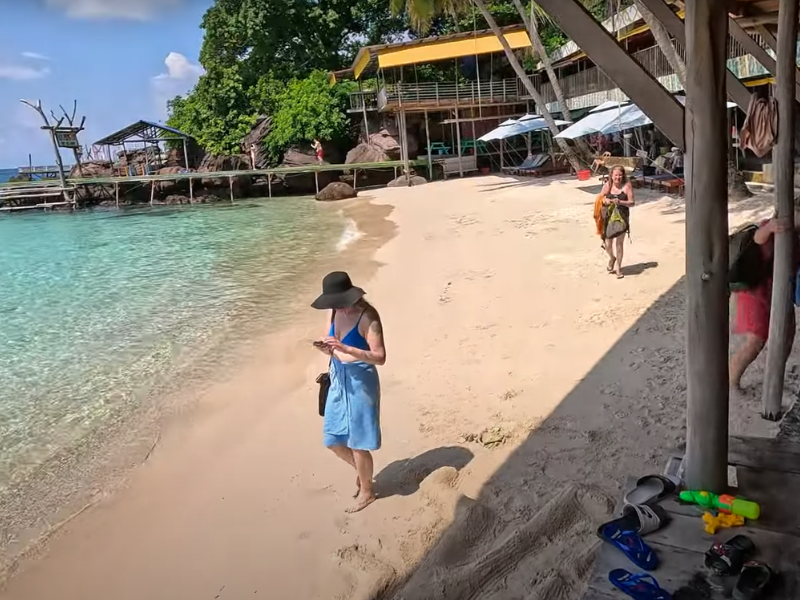
Quick-Reference Matrix: Phu Quoc’s Iconic Coastlines
Before exploring our deep-dive chapters, review this executive overview mapping out the island’s top beaches by travel style, water conditions, and ideal seasonal timing:
| Beach / Destination | Geographical Zone | Primary Highlight & Vibe | Water & Sand Quality | Ideal Travel Window |
| Khem Beach (Bãi Khem) | Southeast Coast | Ultra-luxury resorts, calm crescent bay | Creamy white sand, turquoise calm water | Dry Season (Nov – Apr) |
| Sao Beach (Bãi Sao) | Southeast Coast | Iconic palm swings, shallow swimming | Fine white powder sand, clear water | Dry Season (Nov – Apr) |
| Long Beach (Bãi Trường) | West Coast | Sunset cocktail bars, long coastal walks | Golden sand, rolling gentle surf | Dry Season (Nov – Apr) |
| Ong Lang Beach | Northwest Coast | Quiet boutique retreats, rocky coves | Golden sand, calm, clear waters | Dry Season (Nov – Apr) |
| Starfish Beach (Rạch Vẹm) | Far North Coast | Floating seafood sheds, red starfish | Shallow, clear water (rural access) | Dry Season (Dec – Mar) |
Act I: Pristine Coastlines & Coastal Escapes
No Phu Quoc travel guide would be complete without detailing its world-class beaches. Unlike mainland coastal cities, Phu Quoc’s unique island geography offers distinct sand textures and water colors across its shores.
1. Khem Beach & Sao Beach: The Powder-White Crescent Bays
Located on the southeastern coast, Khem Beach and Sao Beach are universally acclaimed as the visual jewels of the island.
Khem Beach (Bãi Khem)
Framed by dramatic green headlands, Khem Beach features soft, cream-colored sand that feels like granulated sugar beneath your feet. The bay is shielded from offshore winds during the dry season, creating a natural, swimming pool-like sea perfect for paddleboarding, ocean kayaking, and family swimming.
Sao Beach (Bãi Sao)
Famous for its soaring coconut palms and calm, shallow waters extending far out into the ocean, Sao Beach is ideal for relaxed beach days. Visitors can relax on private sun lounges, sample fresh coconut water, and take photos on iconic wooden rope swings over the tide line.
2. Long Beach (Bãi Trường): The West Coast Sunset Corridor
Stretching for over 20 kilometers along the western coastline, Long Beach is the social axis of Phu Quoc. Facing directly west into the Gulf of Thailand, it offers some of the most spectacular, fiery sunsets in Southeast Asia.
Lined with stylish beachfront lounges, rustic seafood grills, and boutique resorts, it is the premier spot to gather in the late afternoon, enjoy live acoustic music, and watch the sun dip below the horizon.
3. Starfish Beach (Rạch Vẹm): The Rustic Northern Sanctuary
Nestled on the northern edge of the island, the small fishing hamlet of Rach Vem is famous for its shallow, clear waters populated by hundreds of wild red starfish (Protoreaster nodosus).
Sustainable Visiting Etiquette
Crucial Eco-Tip: Never lift starfish out of the water for photos. Exposing starfish to air
for even a few seconds starves them of oxygen and causes severe stress. Enjoy their beauty
underwater using a simple snorkel mask.
Travelers reach Rach Vem via a rustic dirt road through the national park, stepping onto long wooden boardwalks stretching out to floating seafood restaurants built over the water.

Act II: Maritime Voyages, Coral Reefs & Aerial Engineering
Beyond relaxing on the shore, a comprehensive Phu Quoc travel guide must highlight the extraordinary maritime and engineering adventures waiting across the southern archipelago.
1. The An Thoi Archipelago: Speedboat Snorkeling & Secluded Islets
Sprouting off the southern tip of the main island lies the An Thoi Archipelago—a cluster of 15 quiet islands and islets surrounded by thriving coral reefs.
Private Speedboat vs. Commercial Tour Boats
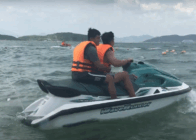
Independent travelers often make the mistake of booking crowded, high-volume group boat tours that follow rigid time schedules. Partnering with a private operator allows you to charter a sleek private speedboat departing from An Thoi harbor at 08:30 AM, bypassing the crowds to explore secluded spots:
Hon Gam Ghi: Home to shallow coral gardens brimming with damselfish, parrotfish, and sea anemones—ideal for young or first-time snorkelers.
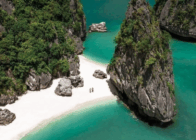
Hon May Rut: A idyllic islet featuring powdery white sand, swaying palm trees, and clear shallow waters perfect for private beach barbecues.
2. The Hon Thom Cable Car: Soaring Above the Gulf
Recognized by Guinness World Records as the world’s longest non-stop three-rope cable car (stretching over 7.8 kilometers), the Hon Thom Cable Car is a landmark experience.
The Aerial Journey
Departing from the Mediterranean-inspired Sunset Town station in An Thoi, the 20-minute aerial ride carries passengers high above fishing villages, colorful wooden boat fleets, and coral reefs. The 360-degree glass cabins offer breathtaking photography opportunities before arriving at Hon Thom Island, home to the modern Aquatopia Water Park.
Act III: Culinary Heritage, Night Markets & Local Craft
The culture of Phu Quoc is deeply tied to the sea, land, and artisanal food production. Any curated Phu Quoc travel guide must celebrate the island’s rich epicurean heritage.
1. Artisanal Fish Sauce (Nước Mắm): Liquid Gold
Phu Quoc fish sauce is recognized globally with a European Union Protected Designation of Origin (PDO) status—similar to Champagne in France or Parmigiano-Reggiano in Italy.
The Anatomy of Phu Quoc Fish Sauce:
[Fresh Black Anchovies (Cơm Than)] ➔ [Purified Sea Salt from Ba Ria] ➔
[12-Month Fermentation in Wooden Vats] ➔ [First-Press Extra Virgin Extraction]
Visitors can tour traditional barrel houses (Nhà Thùng) in Duong Dong, where giant wooden vats crafted from local hardwood ferment anchovies over a full year, producing a rich, amber-colored sauce with an unmatched umami flavor profile.
2. Organic Black Pepper & Wild Myrtle Wine (Rượu Sim)
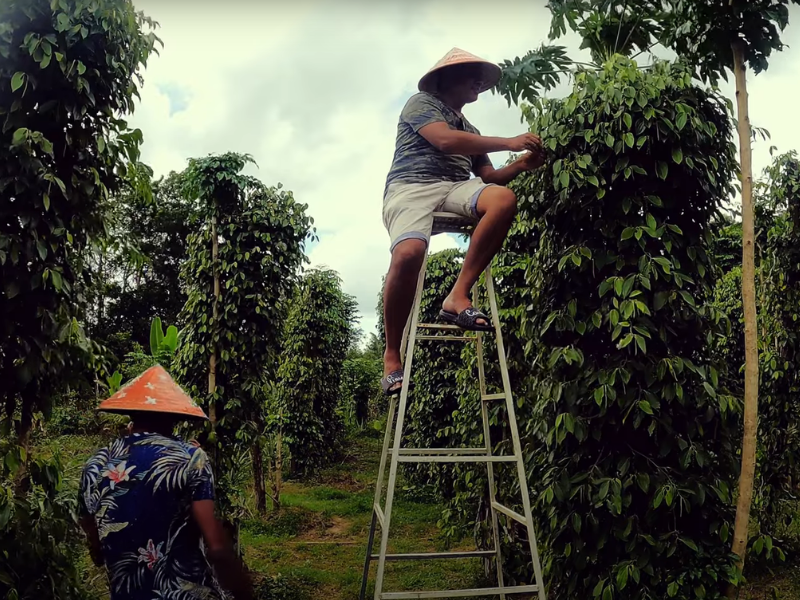
Peppercorn Farms: Phu Quoc’s mineral-rich soil produces some of the most aromatic black, red, and white peppercorns in Asia. Walk through organic pepper farms in Suoi Da to sample fresh peppercorn salts and purchase high-quality spices directly from farming families.
Rượu Sim (Wild Myrtle Wine): Crafted from the fruit of wild rose myrtle trees growing across the island’s central hills, this sweet, slightly tart fermented wine is a unique local digestive drink.
3. The Phu Quoc Night Market (Dương Đông)
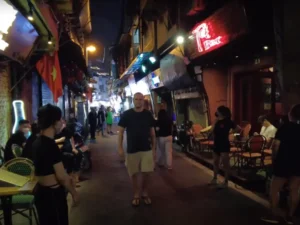
As dusk falls, head to the bustling pedestrian night market in the center of Duong Dong town. Walk through brightly lit stalls to sample:
Nhum Biển Nướng (Grilled Sea Urchin): Halved sea urchins grilled over hot charcoal, topped with scallion oil and crushed roasted peanuts.
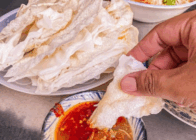
Bánh Tráng Nướng: Crispy rice-paper pizzas topped with minced pork, quail egg, and chili oil.
Kem Cuộn: Fresh fruit rolled ice cream prepared fresh on frozen metal plates.

Accommodation Curation: Where to Stay
Choosing the right resort location is crucial for an exceptional island holiday. This section of our Phu Quoc travel guide breaks down top-performing properties by region and travel style:
[Southern Tip: Ultra-Luxury & White Sands] ➔ [Central Coast: Sunset Views & Convenience]
➔ [Northwest Coast: Quiet Boutique Escape]
1. Southern Tip (Khem Beach & An Thoi) – Ultra-Luxury
JW Marriott Phu Quoc Emerald Bay: A masterpiece designed by Bill Bensley, themed around a whimsical 1920s French colonial university, set directly on Khem Beach.
Premier Village Phu Quoc Resort: Located on the narrow Ong Doi Cape, offering private pool villas where guests can watch both sunrise and sunset from the same resort.
2. Central Coast (Long Beach & Duong Dong) – Convenience & Lifestyle
InterContinental Phu Quoc Long Beach Resort: A luxury resort featuring world-class dining, an infinity pool, the sky-high INK360 rooftop bar, and exceptional kids’ club amenities.
Salinda Resort Phu Quoc Island: A boutique luxury property renowned for its lush botanical gardens, personalized hospitality, and eco-friendly practices.
3. Northwest Coast (Ong Lang) – Quiet Boutique Escape
Chen Sea Resort & Spa: Tucked away in a quiet, sheltered bay, offering private sea-facing bungalows and an intimate atmosphere far from commercial crowds.
Seasonality & Weather: When to Visit
Phu Quoc operates on a tropical monsoon climate with two distinct seasons. Understanding these patterns is essential for planning your trip:
[Dry Season: Sun, Calm Seas & White Sands] ➔ [Green Season: Tropical Rain, Lush Jungles & Wave Action]
              (November – April)                                (May – October)
1. The Dry Season (November through April) – Peak Paradise
Weather: Constant sunshine, low humidity, warm temperatures (26°C–31°C), and crystal-clear, glassy ocean waters.
Best Coastline: The western coast (Long Beach) and southern bays (Khem Beach) are perfectly calm.
Activities: Optimal for snorkeling, island hopping, cable car rides, and beachfront dining.
2. The Green Season (May through October) – Tropical Lushness
Weather: Warm with frequent afternoon tropical downpours that clear quickly.
Travel Dynamics: Western beaches can experience higher surf and wind. However, the eastern beaches (like Sao Beach) often remain calm. Room rates are lower, national park waterfalls are at full flow, and the island is peaceful and green.
Essential Logistics & Travel Guide for Phu Quoc
To ensure your island journey operates without friction, review these core practical pillars before departure:
1. Visa Exemption Rules
Phu Quoc Island enjoys a unique, official 30-Day Visa Exemption policy for foreign passport holders. International travelers flying directly into Phu Quoc Airport (or connecting via Hanoi/Saigon on a single ticketed itinerary without exiting the transit lounge) can enter Phu Quoc visa-free for up to 30 days.
Important Visa Note: If your itinerary includes traveling overland into mainland Vietnam
(such as visiting Saigon, the Mekong Delta, or Hanoi) after your Phu Quoc stay, you MUST
secure a standard 90-day e-Visa prior to arrival.
2. Transit & Getting Around
Airport Transfers: Phu Quoc International Airport (PQC) is centrally located, just a 15-minute drive to Long Beach, 25 minutes to Duong Dong town, and 30 minutes to Khem Beach.
Island Transport: Renting a private chauffeured SUV or DCar limousine through your tour operator is the safest way to explore the island. Taxis and ride-hailing apps (like Grab) are readily available around Duong Dong and Long Beach.
3. Health & Water Safety
Never drink unboiled tap water on the island. Stick strictly to bottled purified water or fresh young coconuts. High-end resorts and established restaurants use purified ice factories, making iced coffee and smoothies safe to enjoy.
Frequently Asked Questions (FAQ)
Q1: How many days are needed for a complete Phu Quoc trip?
A: A duration of 3 to 5 days is ideal. This allows you to spend one day on a private island-hopping speedboat tour, one day enjoying the cable car and night markets, one day exploring the northern national park and pepper farms, and two full days enjoying resort downtime.
Q2: Is Phu Quoc suitable for family travel with children?
A: Phu Quoc is one of the top family travel destinations in Southeast Asia. Resorts feature shallow splash pools, dedicated kids’ clubs, and calm ocean waters at beaches like Khem and Sao. Attractions like the Hon Thom Cable Car and VinWonders offer world-class entertainment for all ages.
Q3: Which side of the island has the best sunsets?
A: The western coast (Long Beach, Ong Lang Beach, and Ganh Dau) faces directly west into the Gulf of Thailand, offering spectacular sunset views every evening.
Q4: Are coral reefs in Phu Quoc safe for beginner snorkelers?
A: Yes. The reefs surrounding the southern An Thoi islets (such as Hon Gam Ghi) sit in shallow, sheltered waters (1 to 3 meters deep) with minimal current, making them accessible and safe for beginner snorkelers and children wearing life jackets.
Craft Your Custom Island Passage with Saola Tours
Navigating this Phu Quoc travel guide with total peace of mind requires deep local knowledge, handpicked 5-star resort partnerships, transparent pricing, and verified government licensing. At Saola Tours, we take immense pride in crafting bespoke private coastal passages that connect you directly with the magic, tranquility, and natural beauty of Vietnam.
➡️ Ready to start planning your tropical island escape?
Contact our custom travel specialists at Saola Tours today to receive your personalized itinerary quote and expert local advice!