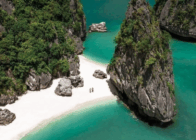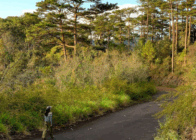
For active global travelers seeking an adrenaline-fueled passage through Southeast Asia, adventure tours in Vietnam offer access to one of the planet’s most dramatic natural frontiers. Shaped by millions of years of complex tectonic uplifting, monsoon erosion, and intense karst weathering, this S-shaped nation packs a bewildering concentration of physical topographies into a narrow geographical corridor. Within a single multi-day journey, outdoor enthusiasts can scale vertical granite massifs soaring over 3,000 meters into misty skies, swim through subterranean river systems winding beneath ancient limestone plates, negotiate single-track jungle trails, and harness thermal winds along coastal desert dunes.
However, executing high-value adventure tours in Vietnam requires an operational framework far removed from generic mass tourism. The country’s terrain is intensely raw, its regional microclimates shift rapidly across neighboring mountain passes, and its premier wilderness corridors demand technical entry permits, specialized safety equipment, and verified local navigation. Attempting to tackle these environments without professional ground logistics often results in missed seasonal windows, unexpected weather bottlenecks, or reliance on commercial operators that compromise both environmental integrity and physical safety.
Whether your vision of an active holiday involves multi-day alpine ridge trekking, technical cavern exploration, high-pass motorcycling, or white-water canyoning, booking professionally managed adventure tours in Vietnam guarantees seamless execution. Here is an exhaustive, deep-dive examination of the logistics, terrain mechanics, equipment protocols, and seasonal synchronization needed to execute a safe, high-value, and deeply rewarding wilderness passage.
Decoding Vietnam’s 4 Expedition Arenas
To select the right itinerary, active travelers must understand how the country’s physical geology dictates specific outdoor disciplines. Professional outfitters design adventure tours in Vietnam across four distinct, highly specialized physical arenas:
[The High Northern Granite]   ➔ [The Central Karst Subterranean] ➔ [The Annamite Jungle Highlands] ➔ [The Southern Marine Wind Belt]
 (Sapa, Ha Giang, Fansipan)       (Phong Nha, Tu Lan, Quang Binh)      (Da Lat, Cat Tien National Park)      (Mui Ne, Phu Quoc, Cham Islands)
1. The High Northern Granite (Sapa, Ha Giang & Fansipan)
Geological Character: Sharp alpine ridges, granite massifs, deep river gorges, and carved agricultural terraces hanging over vertical valleys.
Core Disciplines: High-altitude mountain trekking, long-distance endurance road cycling, and technical mountain pass motorcycling.
Atmospheric Profile: Rugged, cool-climate, high-elevation terrain enriched by the centuries-old cultural heritage of high-altitude ethnic minority communities.
2. The Central Karst Subterranean (Phong Nha-Ke Bang & Quang Binh)
Geological Character: Ancient limestone plateaus, subterranean rivers, collapse dolines, massive underground chambers, and dense jungle sinkholes.
Core Disciplines: Technical cavern exploration, multi-day jungle trekking, subterranean river swimming, and cave kayaking.
Atmospheric Profile: Primitive, isolated, biologically dense, and scientifically significant.
3. The Annamite Jungle Highlands (Da Lat & Central Plateau)
Geological Character: Pine-forested plateaus, volcanic basalt soil, rushing river gorges, cascading waterfalls, and dense lowland rainforests.
Core Disciplines: Waterfall canyoning, white-water rappelling, mountain biking, and rainforest wildlife tracking.
Atmospheric Profile: High-energy, wet, cool, and forest-immersive.
4. The Southern Marine Wind Belt (Mui Ne, Phan Thiet & Islands)
Geological Character: Coastal sand dunes, reliable thermal wind corridors, offshore coral reefs, and sheltered archipelago lagoons.
Core Disciplines: Kitesurfing, hydrofoiling, stand-up paddleboarding (SUP), open-water sea kayaking, and marine scuba diving.
Atmospheric Profile: Sun-drenched, high-wind, oceanic, and tropical.
Technical Expedition Matrix: Comprehensive Activity Comparison
This field matrix compares the primary outdoor disciplines featured across guided adventure tours in Vietnam by technical demands, physical fitness requirements, equipment needs, and operational environmental conditions:
| Adventure Discipline | Primary Location | Terrain & Technical Profile | Physical Effort Required | Technical Gear Needed | Optimal Operating Window |
| High-Ridge Trekking | Mount Fansipan / Sapa | Steep granite ridges, bamboo trails, rock steps | High (Endurance & stamina) | Trekking poles, lugged boots, layers | October to April |
| Subterranean Caving | Phong Nha / Tu Lan System | Underground rivers, boulder fields, pitch darkness | High (Technical outfitter mandatory) | Caving helmet, headlamp, PFD, boots | February to August |
| High-Pass Motorbiking | Ha Giang Geopark Loop | Narrow asphalt switchbacks, gravel cliffs | Advanced Riding Skill (Valid IDP) | Full-face helmet, armored jacket, gloves | September to November |
| Waterfall Canyoning | Datanla Gorges / Da Lat | Vertical rock faces, rushing torrents, plunge pools | Moderate to High | Petzl harness, descender, helmet, PFD | November to May |
| Kitesurfing & Foiling | Mui Ne Main Beach | Open sea surf, thermal winds (18–30 knots) | Moderate to Advanced | Kite rig, harness, board, impact vest | November to April |
| Lowland Jungle Tracking | Cat Tien National Park | Old-growth rainforest, muddy trails, riverbanks | Moderate (Patience & stamina) | Gaiters, leech socks, headlamp | December to May |
| Sea Cliff Climbing & DWS | Cat Ba Island / Lan Ha Bay | Vertical limestone crags, unroped sea cliffs | Beginner (5a) to Advanced (8a+) | Climbing shoes, chalk, tender boat | October to April |
Phase 1: The High Northern Granite – Alpine Ridge Treks & Endurance Passes
The northern highlands anchor the alpine heart of adventure tours in Vietnam. Formed as an eastern extension of the Himalayan tectonic collision, the Hoang Lien Son range features Indochina’s highest peaks, sheer drop-offs, and deep river valleys that challenge the endurance of seasoned trekkers.
                  [Mount Fansipan Summit (3,143m)]
                                / \
                               /   \  (Sin Chai Ridge - Technical 3-Day Route)
      (Tram Ton Pass - Standard 2-Day) /     \
                             /       \
             [High Basecamp (2,800m)]   [Deep Jungle Camp (2,200m)]
1. Summiting Indochina’s Roof: The Tram Ton & Sin Chai Routes
Standing proudly at 3,143 meters above sea level, Mount Fansipan is the undisputed alpine milestone of Southeast Asia. While an aerial cable car serves casual day-trippers on the eastern slope, premium adventure tours in Vietnam bypass commercial infrastructure entirely, tackling unpaved multi-day routes that ascend the mountain’s rugged western and northern ridges.
Route Breakdown: Tram Ton vs. Sin Chai
The Tram Ton Route (Standard 2-Day Ascent): Starting from the Tram Ton Pass at 1,900 meters, this trail represents the most direct foot path to the summit. Trekkers navigate dense dwarf bamboo forests, moss-draped ancient hardwoods, and steep rock steps. The route ascends 1,243 vertical meters over 12 kilometers, testing aerobic endurance.
The Sin Chai Route (Technical 3-Day Expedition): Reserved for highly experienced hikers, the Sin Chai trail begins at a lower elevation (1,260 meters) and ascends extremely steep ridge lines. This route involves scrambling over granite boulders, negotiating slippery mud chutes, and using fixed rope hand-holds in exposed sections.
High-Altitude Basecamp Mechanics
Overnight stays are spent at primitive mountain shelters located at 2,200 meters and 2,800 meters. Temperatures at these elevations regularly drop below freezing during winter nights (December to February). Hikers require thermal base layers, zero-degree sleeping bags, and high-traction, waterproof footwear to navigate slick granite slabs safely.
2. Sapa Valley & Muong Hoa River Trail Navigation
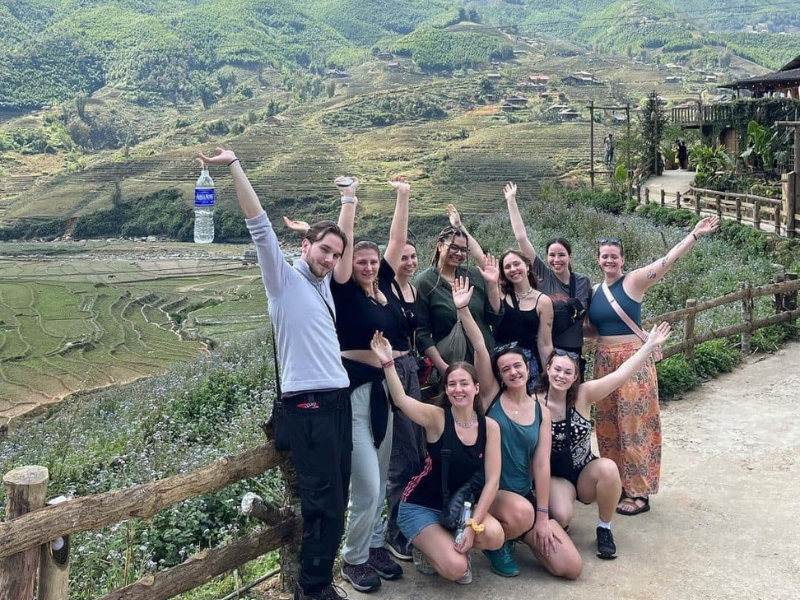
Beyond Mount Fansipan, guided adventure tours in Vietnam explore the broader Sapa Valley system, providing extensive multi-day trekking options connecting remote ethnic minority villages.
Navigating Rice Terraces & Bamboo Canopy Trails
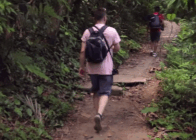
Trails weave along the edges of the Muong Hoa Valley, descending into deep river canyons before climbing steep mountain shoulders. Trekkers walk along narrow earthen dikes separating terraced rice paddies, pass beneath dense giant bamboo canopies, and cross roaring mountain streams via narrow suspension bridges.
Ethnic Homestay Cultural Integration
An integral element of northern trekking tours is staying overnight in traditional Black Hmong, Red Dao, or Tay stilt-house hamlets located in villages like Ta Van, Hau Thao, and Ban Ho. These homestays offer direct cultural immersion—allowing hikers to taste local mountain cuisine, sample medicinal herbal baths prepared by Dao elders, and understand sustainable mountain agriculture firsthand.
3. The Ha Giang Geopark Circuit: High-Pass Motorcycle Endurance
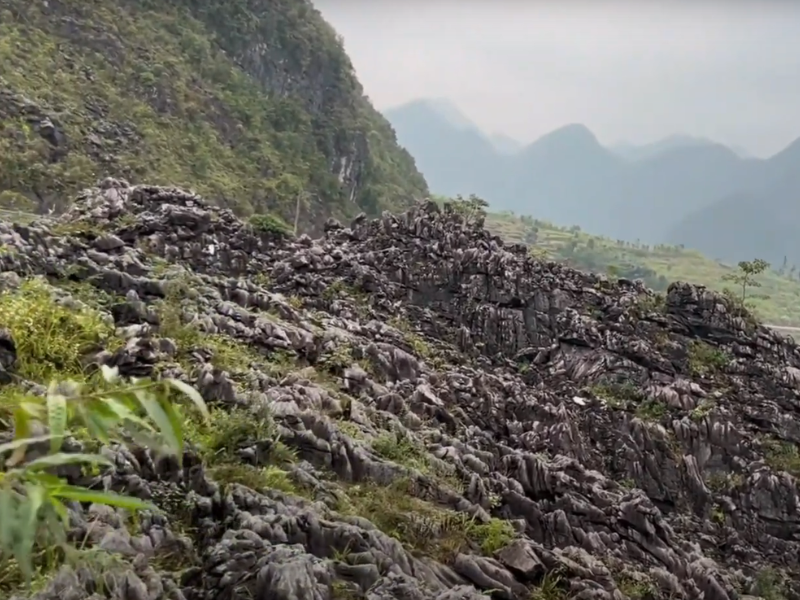
For outdoor enthusiasts who prefer two-wheeled endurance, motorcycle adventure tours in Vietnam covering the Ha Giang Loop represent one of the world’s most spectacular mountain road trips. Spanning over 350 kilometers of narrow, winding mountain asphalt, this route traverses the UNESCO-recognized Dong Van Karst Plateau.
Ha Giang Loop Key Milestones:
[Ha Giang City] ➔ [Quan Ba Heaven's Gate] ➔ [Yen Minh Pine Forest] ➔ [Dong Van Karst Plateau] ➔ [Ma Pi Leng Pass] ➔ [Meo Vac]
Riding the Legendary Ma Pi Leng Pass
The undisputed climax of the circuit is the Ma Pi Leng Pass—a 20-kilometer stretch of road carved into vertical limestone cliffs 1,000 meters directly above the turquoise Nho Que River. Navigating this pass requires absolute focus, precise throttle control, and technical cornering skills to manage sharp switchbacks, steep inclines, and oncoming local transport traffic.
Rider Compliance Note: Operating a motorcycle independently in Vietnam legally requires a valid national driver’s license paired with an official International Driving Permit (IDP) under the 1968 Convention. Riders lacking valid documentation risk heavy fines, vehicle impoundment, and complete invalidation of travel insurance. Alternatively, travelers can book an “Easy Rider” option on guided adventure tours in Vietnam, riding passenger behind a licensed local driver.
Phase 2: The Central Karst Subterranean – Cavern Exploration & Jungle Sinkholes
Quang Binh Province in Central Vietnam is globally recognized as the subterranean capital of Asia. Housing the world’s largest natural cave chambers, ancient underground river networks, and massive jungle collapse dolines, this region represents the most technically exclusive and ecologically sensitive sector of adventure tours in Vietnam.
    [Jungle Canopy Approach]
              │
              ▼
    [Subterranean River Swim]  ➔  [Cavern Sand Beach Camp]  ➔  [Doline Skylight Ascent]
1. The Tu Lan Cave System: Subterranean Swimming & Jungle Treks
Located 70 kilometers outside Phong Nha-Ke Bang National Park, the Tu Lan Cave System consists of over ten complex caves carved through limestone mountains by the Rao Nan River. Unlike dry show-caves equipped with concrete boardwalks, caving adventure tours in Vietnam through Tu Lan require an active, amphibious approach.
Technical Caving Mechanics
Subterranean River Swimming: Explorers equip PFDs (Personal Flotation Devices), technical caving helmets, and high-lumen headlamps to swim through pitch-black underground rivers that cut entirely through mountain massifs, navigating currents in cavernous darkness.
Breakdown Boulder Scrambling: Navigating dry cave chambers requires scrambling over massive breakdown fields—colossal piles of fallen limestone boulders covered in dry clay—using static safety lines and harness attachment points.
Jungle Sinkhole Camps: Overnight camps are set up on soft sand beaches inside vast cavern entrances or at the bottom of jungle-filled sinkholes (dolines), where sunlight penetrates hundreds of feet down through collapsed cave roofs.
2. Hang En & Hang Va: Extreme Stalagmites & Mega-Chambers
For travelers seeking high-level cavern photography and technical challenges, specialized expedition adventure tours in Vietnam explore secondary caves within the national park boundary:
Hang En (World’s 3rd Largest Cave): Features a massive entrance arch towering 120 meters high. The main chamber is so colossal that it houses its own internal beach, river system, and a self-contained climate that generates subterranean clouds.
Hang Va: Famous for its rare, fragile geological formations, including hundreds of tower-cone stalagmites growing inside natural rock pools. Accessing Hang Va requires technical harness work, traverse-line clipping, and wading through waist-deep underground streams.
3. Phong Nha Environmental Conservation Protocols
Because these cave ecosystems took over 400 million years to form, professional adventure tours in Vietnam enforce strict Leave-No-Trace environmental standards:
                  [Subterranean Conservation Standards]
                                  │
      ┌───────────────────────────┴───────────────────────────┐
      ▼                                                       ▼
[Zero-Waste Removal]                                    [Composting Human Waste]
(All plastic/food waste packed out)                     (Composting toilets inside caves)
      │                                                       │
      ▼                                                       ▼
[Strict Path Compliance]                                [Chemical-Free Washing]
(No touching stalagmites/rock walls)                    (Biodegradable soaps only)
Phase 3: The Annamite Jungle Highlands – Cascades, Canyons & Rainforest Tracking
Moving into the Central Highlands and Southern rainforest reserves, adventure tours in Vietnam transition into high-energy water sports, vertical rappelling, and dense jungle flora tracking.
1. Technical Waterfall Canyoning in Da Lat
Perched at an elevation of 1,500 meters on the Langbiang Plateau, the pine-forested region of Da Lat feeds rushing mountain river systems that drop dramatically through granite gorges. Here, canyoning adventure tours in Vietnam combine mountaineering rope techniques with river navigation.
Step-by-Step Anatomy of a Canyoning Descent
[Dry Wall Abseil Training (15m)] ➔ [Natural Water Slide] ➔ [Vertical Waterfall Rappel (25m)] ➔ [High Cliff Jump (7-11m)] ➔ [The "Washing Machine"]
Dry Wall Abseil Training: Participants begin on dry granite cliff faces, mastering Petzl descender devices, friction control, body positioning, and self-belay communication signals.
Natural Water Slides: Navigating smooth granite rock chutes shaped by thousands of years of rushing water, sliding backward or headfirst into calm river pools.
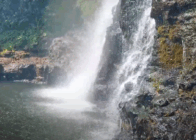
The 25-Meter Waterfall Rappel: Descending a sheer vertical granite wall directly through a rushing waterfall torrent, using feet to push off slick wet rock while managing rope feed under heavy water pressure.
The “Washing Machine” Pitch: The climax of the descent—a narrow rock funnel where roaring waterfall pressure spins rappellers through a swirling natural washing machine before safely releasing them into a deep, quiet plunge pool below.

2. Rainforest Tracking in Cat Tien National Park
For wildlife enthusiasts and endurance hikers, ecological adventure tours in Vietnam visiting Cat Tien National Park—a 72,000-hectare UNESCO Biosphere Reserve located in Dong Nai Province—protect one of Southern Vietnam’s last remaining areas of lowland tropical rainforest.
Deep Jungle Trails to Crocodile Lake (Bàu Sấu)
The premier trek covers 14 kilometers through old-growth jungle to reach Crocodile Lake. Hikers walk beneath massive 500-year-old Tung trees (Tetrameles nudiflora) featuring giant, wall-like buttress roots that extend dozens of meters across the forest floor.
Nocturnal Wildlife Safaris
At dusk, small groups board open-air 4×4 vehicles accompanied by certified park rangers, traveling along forest tracks with spotlight searchlights to observe nocturnal wildlife—including sambar deer, civets, wild boars, gaur (wild cattle), and various owl species—grazing in open grasslands.
Phase 4: The Southern Marine Wind Belt – Thermal Winds & Island Seas
Where the southern desert coastline meets the South China Sea, adventure tours in Vietnam take to the water, harnessing ocean thermals and exploring pristine coral reefs.
1. Kitesurfing & Foiling in Mui Ne & Suoi Nuoc
Located 200 kilometers east of Ho Chi Minh City, Mui Ne is internationally recognized as Southeast Asia’s premier windsurfing and kitesurfing capital.
                      [Mui Ne Thermal Wind Engine]
                                  │
  Hot Interior Sand Dunes ➔ Rises Rapidly ➔ Pulls Cool Ocean Air Inward
                                  │
                                  ▼
      Creates Reliable 18–30 Knot Side-Onshore Winds (Nov – Apr)
Wind Corridors & Spot Breakdown
Mui Ne Main Beach: A wide 10-kilometer golden sand bay lined with IKO-certified (International Kiteboarding Organization) schools. Ideal for beginners on guided adventure tours in Vietnam learning body dragging, kite control, and water starts in gentle shorebreak.
Suoi Nuoc Beach: Located further north, offering cleaner wind corridors, reduced shore traffic, and consistent rolling waves ideal for intermediate kitesurfers and hydrofoilers.
Hon Rom Beach: Features heavy ocean swells breaking over shallow sandbars, providing an intense wave-riding arena for advanced kiteboarders.
2. Sea Kayaking & Deep Water Soloing on Cat Ba Island
In northern coastal waters, sea kayaking adventure tours in Vietnam explore the vertical limestone islands of Lan Ha Bay, providing an extraordinary playground for unroped sea cliff climbing:
Deep Water Soloing (DWS): Climbers transfer from wooden boats onto small tenders that drop them directly at the base of vertical ocean cliffs. Climbers ascend steep limestone pockets, tufas, and roofs without ropes, using the deep ocean water below as their landing mat.
Sea Kayaking Hidden Lagoons: Kayak through narrow sea arches (Luon Caves) at low tide to enter completely enclosed, landlocked marine lagoons surrounded by sheer vertical cliffs draped in wild orchids and populated by endangered Cat Ba langurs.

Field Safety, Logistics & Environmental Ethics
Executing active wilderness expeditions across Southeast Asia requires strict operational discipline to ensure personal safety, legal compliance, and environmental preservation.
                      [Wilderness Operational Pillars]
                                  │
      ┌───────────────────────────┴───────────────────────────┐
      ▼                                                       ▼
[Verified Guide Accreditation]                          [International Gear Standards]
(Wilderness First Aid / IKO / PADI)                     (UIAA / CE certified ropes & harnesses)
      │                                                       │
      ▼                                                       ▼
[Seasonal Synchronization]                              [Leave-No-Trace Ethics]
(Matching regional dry/monsoon windows)                 (Zero single-use plastic & waste removal)
1. Guide Accreditation & Equipment Standards
Never undertake technical outdoor activities with unverified operators. Ensure your chosen adventure tours in Vietnam comply with international safety benchmarks:
Wilderness Guides: Caving and trekking guides must hold certified Wilderness First Aid (WFA) credentials and carry satellite communication devices (such as Garmin InReach) in cellular dead-zones.
Hardware Certification: Ropes, harnesses, helmets, and carabiners used in canyoning and climbing must carry UIAA / CE certifications and be logged for usage hours and retired after heavy wear.
2. Seasonal Synchronization Guide
Vietnam’s elongated geography means microclimates vary dramatically across regions:
Northern Highlands (Sapa, Ha Giang): Optimal from October to April (dry, cool weather). Avoid heavy monsoon rains between July and August when mountain landslides occur.
Central Caves (Phong Nha, Tu Lan): Optimal from February to August (dry season). Cave systems close entirely during the flood season from September to November for visitor safety.
Southern Coast (Mui Ne, Cat Tien): Optimal from November to April (dry weather and strong thermal winds).
3. Leave-No-Trace Wilderness Ethics
The rapid growth of adventure tours in Vietnam places pressure on delicate ecosystems. Active travelers must adhere strictly to Leave-No-Trace environmental protocols:
Pack out all solid waste from national parks, jungle camps, and cave chambers.
Use reef-safe, non-nano zinc oxide sunscreen during ocean kayaking and marine snorkeling to protect coral reefs.
Respect local ethnic communities by securing permission before entering sacred communal spaces (Đình) or photographing villagers.
Frequently Asked Questions (FAQ)
Q1: Are adventure tours in Vietnam suitable for solo travelers?
A: Yes! Vietnam is widely recognized as one of the safest travel destinations in Asia. Solo travelers can easily join small-group adventure tours in Vietnam managed by professional outfitters, ensuring physical safety, shared costs, and camaraderie.
Q2: Do I need specialized travel insurance for adventure tours in Vietnam?
A: Absolutely. Standard travel insurance policies almost always exclude extreme activities like technical caving, mountain biking, canyoning, motorbiking, or kitesurfing. Ensure your policy includes an Adventure Sports Rider and explicit coverage for emergency wilderness medical evacuation.
Q3: How do I transport specialized outdoor gear on adventure tours in Vietnam?
A: Domestic airlines (such as Vietnam Airlines) accommodate oversized sports equipment bags (kitesurf bags, climbing gear) with advance baggage bookings. For overland routes between mountain hubs, booking custom private adventure tours in Vietnam with Saola Tours provides chauffeured 4×4 SUVs or DCar limousines with ample gear storage, flexible departure times, and certified drivers experienced on mountain roads.
Plan Your Expedition with Saola Tours
Unlocking the full potential of adventure tours in Vietnam with complete peace of mind requires deep local roots, verified safety standards, transparent pricing, and full state licensing. At Saola Tours, we specialize in building bespoke private wilderness itineraries—complete with certified guides, private chauffeured transport, handpicked eco-lodges, and 24/7 crisis support.
➡️ Ready to launch your ultimate Vietnam adventure?
Contact our custom expedition specialists at Saola Tours today to receive a personalized itinerary proposal and expert advice!