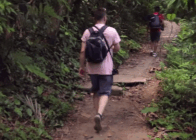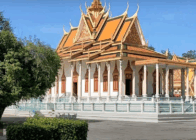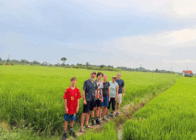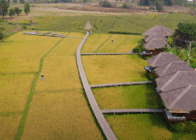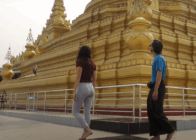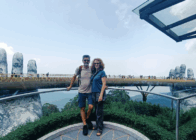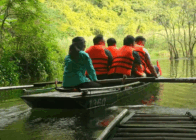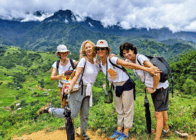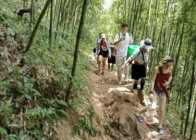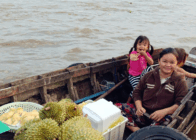

There is a distinct momentum to traveling on foot across the eastern margin of the Indochinese Peninsula. When you strip away the rigid walls of pre-booked tour buses and high-rise resort lobbies, Southeast Asia opens up as a vivid, living canvas. Choosing backpacking vacations in Vietnam is not merely about finding a low-cost holiday; it is a conscious decision to engage with raw topography, ancient trade corridors, and living cultural traditions at eye level. Stretching over 1,600 kilometers from the misty granite peaks bordering China to the warm alluvial channels of the Gulf of Thailand, this nation offers one of the most rewarding wilderness and cultural arenas for independent travelers worldwide.
However, moving through such diverse terrain requires more than just enthusiasm and a packed rucksack. Navigating Vietnam independently demands a realistic understanding of local movement—how seasonal monsoon windows alter mountain roads, how to find authentic family-run homestays, how street-level dining operates, and how to balance spontaneous exploration with physical safety. Without an insider’s field perspective, independent wayfarers can easily spend precious travel days stuck in transit bottlenecks or navigating tourist-heavy zones that lack genuine local character.
Whether your vision involves tackling high-altitude mountain passes on two wheels, paddling through limestone river caves, navigating night markets in historic merchant ports, or camping along quiet coastal bays, this 3,000+ word field guide redefines what backpacking vacations in Vietnam can be. Below is your complete narrative guide to route mechanics, daily budgeting, regional food culture, local transport, and field logistics.
Before setting off on an extended journey across Southeast Asia, establishing proper financial security, verified state licensing, and reliable local support is essential. Discover how top-rated local outfitters structure their safety standards and private transport backing by reading our comprehensive guide on the best vietnam tour operators to ensure your travel investment remains fully protected.
Section 1: The Ethos of Wayfaring Across Indochina
Why do backpacking vacations in Vietnam continue to captivate independent travelers year after year? The answer lies in the unique harmony between physical freedom, cultural accessibility, and daily feasibility.
+-----------------------------------------------------------------------------------+
|               THE FOUR PILLARS OF INDEPENDENT WAYFARING IN VIETNAM                |
+-----------------------------------------------------------------------------------+
| 1. Unmatched Budget Freedom ➔ Quality living on $25–$45 USD per day               |
| 2. Extreme Landscape Contrast ➔ Alpine ridges to tropical river deltas             |
| 3. Welcoming Local Hospitality ➔ Deep community connections & family homestays     |
| 4. High Personal Safety      ➔ A secure environment for solo & group wanderers   |
+-----------------------------------------------------------------------------------+
1. Unmatched Budget Freedom
Vietnam remains one of the most accessible travel environments on the planet. Here, a modest daily budget of $25 to $45 USD does not mean sacrificing basic comfort or safety. Instead, it grants you clean guesthouse accommodation, incredible street-side dining, reliable long-distance transit, and access to national parks—allowing you to stretch a few weeks of travel into an extended multi-month expedition.
2. Extreme Geographical Contrast
Few countries pack such dramatic changes in landscape into a narrow geographic footprint. Over a single fortnight, you can watch the scenery shift from sheer limestone peaks and terraced rice valleys in the far north to emerald ocean bays, imperial river citadels, pine-forested highlands, and tropical palm canals in the south.
3. Deep Community Hospitality
Independent travel thrives on human connection. Vietnam’s extensive network of family-run homestays, local eateries, and community-based tourism projects makes meeting residents natural and unforced. Sharing home-cooked meals around open hearths in rural villages turns ordinary travel days into unforgettable personal memories.
4. High Personal Safety
Vietnam is widely recognized as one of the safest nations in Asia for independent wanderers. Violent crime is exceptionally rare, public spaces remain welcoming late into the evening, and local residents across rural provinces consistently show remarkable kindness to international visitors.
Section 2: Four Distinct Overland Expedition Routes
Designing a successful itinerary for backpacking vacations in Vietnam means matching your available days with realistic regional geography. Here are four field-tested overland routes mapped across distinct geographic zones:
Route 1: The Far North Mountain Circuit (Ha Giang, Cao Bang & Ba Be)
This route is designed for travelers who crave high-altitude vistas, winding mountain roads, and deep ethnic heritage along the northern frontier.
1. The Ha Giang Mountain Loop
The Geography: A dramatic 350-kilometer circuit starting from Ha Giang Town, traversing Quan Ba, Yen Minh, Dong Van, and Meo Vac.
The Field Experience: Navigate the sharp switchbacks of Ma Pi Leng Pass, where the road clings to vertical rock faces 1,000 meters above the turquoise Nho Que River. Stay overnight in traditional Hmong and Tay wooden homestays, enjoying local home-cooked meals and warm green tea by the hearth.
2. The Eastern Frontier to Ba Be Lake
The Geography: Heading east toward Cao Bang Province and descending south into Bac Kan Province.
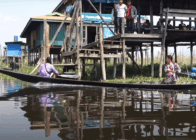
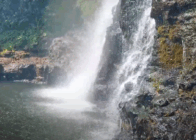
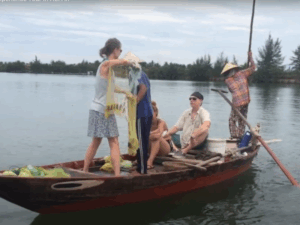
The Field Experience: Stand before Ban Gioc, a magnificent transnational waterfall along the border, before gliding across the calm waters of Ba Be Lake on a traditional wooden boat, staying in stilt-house hamlets surrounded by primary rainforest.
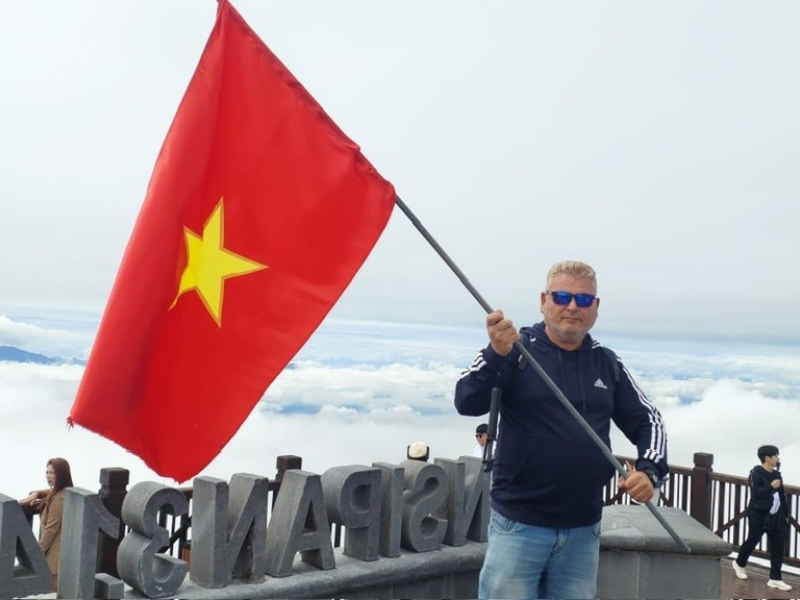
Route 2: The Grand North-to-South Spine (Hanoi to Saigon)
The classic journey for first-time backpacking vacations in Vietnam, connecting the northern capital to the southern metropolis over 14 to 21 days.
[Hanoi Old Quarter] ➔ [Lan Ha Bay / Cat Ba] ➔ [Phong Nha Caves]
                                                     │
                                                     ▼
[Ho Chi Minh City] ◄─ [Da Lat Highlands] ◄─ [Hoi An Ancient Port]
1. The Northern Cultural Base
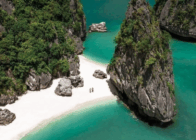
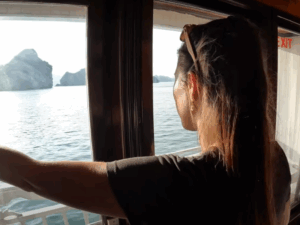
The Field Experience: Begin amid the vibrant, narrow trade streets of Hanoi’s Old Quarter. Take a short budget trip to Cat Ba Island for ocean kayaking among the quiet karst towers of Lan Ha Bay.
2. Central Heritage & Cavern Corridors
The Field Experience: Journey south via overnight train to Phong Nha-Ke Bang National Park to explore subterranean river caves. Cross the coastal Hai Van Pass into the imperial city of Hue and the lantern-lit streets of Hoi An.
3. Southern Highlands & Urban Finish
The Field Experience: Head inland to the pine-forested plateaus of Da Lat for canyoning and mountain biking, before finishing in energetic Ho Chi Minh City and taking day trips along the Mekong Delta.
Route 3: The Central Heritage & Wilderness Corridor
Tailored for travelers fascinated by UNESCO-listed historical cities, coastal fishing towns, and subterranean natural wonders.
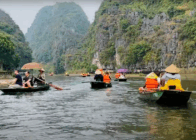
Phong Nha-Ke Bang National Park: Kayak through limestone river caverns (such as Dark Cave and Paradise Cave) surrounded by ancient jungle growth.
Hue Imperial City: Rent a bicycle to explore royal tombs, dynastic pagodas, and residential neighborhoods along the Perfume River.
Hoi An & An Bang Coast: Stay in budget guesthouses near the beach, spending mornings cycling past rice paddies and evenings along the historic riverfront.
Route 4: The Tropical Delta & Island Explorer
Focused on southern warmth, lush riverways, and offshore island relaxation.
Ho Chi Minh City (Saigon): Explore residential alley networks (hẻm), visit historical museums, and take local day transport to the Cu Chi Tunnels.
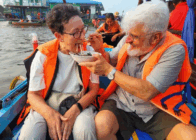
The Mekong Delta (Can Tho & Ben Tre): Board small wooden sampans at dawn to navigate palm-shaded canals and floating markets.
Phu Quoc & Nam Du Islands: Take express ferries out to southern archipelagos for affordable beach camping, ocean kayaking, and fresh seafood.
Section 3: Field Economics & Daily Expenditure Planning
Managing your budget wisely allows you to extend backpacking vacations in Vietnam without unexpected financial stress. Below is a detailed daily cost breakdown across three travel styles:
| Expense Category | Shoestring Wayfarer | Flashpacker Style | Private Comfort Style |
| Overnight Stay | $5 – $9 / night (Dorm bed) | $15 – $28 / night (Private room) | $35 – $65 / night (Boutique hotel) |
| Daily Meals | $6 – $10 / day (Street stalls) | $12 – $20 / day (Local cafes) | $25 – $45 / day (Restaurants) |
| Intercity Travel | $8 – $15 / leg (Sleeper bus) | $15 – $30 / leg (Train / Flight) | $45 – $80 / leg (Private car) |
| Local Mobility | $3 – $5 / day (Bicycles/Bikes) | $6 – $12 / day (Motorbike rental) | $20 – $35 / day (Chauffeured car) |
| Tours & Entry | $3 – $8 / day (Self-guided) | $10 – $25 / day (Small group) | $35 – $70 / day (Private guide) |
| Est. Daily Total | $25 – $35 USD / Day | $55 – $85 USD / Day | $135 – $220 USD / Day |
Section 4: Street-Level Culinary Arts & Dining Hygiene
Food is a central highlight of backpacking vacations in Vietnam. Eating where locals eat keeps your daily expenses low while offering an authentic taste of regional culinary traditions.
+-----------------------------------------------------------------------------------+
|                   STREET-SIDE DINING ETIQUETTE & HYGIENE                          |
+-----------------------------------------------------------------------------------+
| 1. High Local Turnover ➔ Dine at busy stalls filled with local families           |
| 2. Single-Dish Mastery ➔ Choose vendors specializing in one signature recipe       |
| 3. Fresh Cooking       ➔ Ensure broths & meats are prepared hot to order        |
| 4. Purified Water      ➔ Drink bottled or filtered water at all times              |
+-----------------------------------------------------------------------------------+
1. The Culture of Sidewalk Stalls (Quán Ăn)
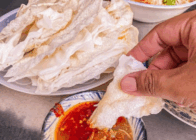
Specialized Expertise: The best street food vendors focus on a single recipe, perfecting their broth or marinade over decades. Dining at specialized stalls guarantees fresh ingredients and deep flavor.
Communal Sidewalk Seating: Sitting on low plastic stools along neighborhood sidewalks is an essential part of daily life. High customer turnover ensures ingredients are delivered fresh every morning.
2. Essential Budget Dishes Every Wanderer Should Sample
Phở Bò / Gà ($1.50 – $2.50): Clear beef or chicken noodle soup infused with charred ginger, cinnamon, and fresh herbs.
Bánh Mì ($1.00 – $1.80): Crispy French-style baguette layered with pork pate, cold cuts, pickled daikon, cucumber, and cilantro.
Bún Chả ($2.00 – $3.00): Charcoal-grilled pork patties floating in a light dipping broth, served with rice vermicelli and fresh greens.
Cơm Tấm ($1.80 – $2.80): Southern broken rice topped with caramelized grilled pork chops, scallion oil, and pickled carrots.
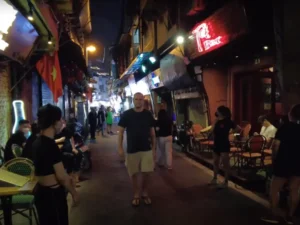
Bia Hơi ($0.30 – $0.50): Fresh, light draft beer brewed daily, enjoyed at lively sidewalk corners in Hanoi’s Old Quarter.
Section 5: Overland Mobility – Choosing Local Transit
Moving across a long, varied country requires selecting the right transport options during backpacking vacations in Vietnam:
1. Overnight Sleeper Buses (Xe Giường Nằm)
Sleeper buses are an efficient way to travel long distances on a budget.
Why Use Them: Inexpensive ($10 – $18 per leg), saves a night’s accommodation cost, and connects directly to mountain towns like Sapa, Ha Giang, or Phong Nha.
Practical Tip: Request lower-deck berths near the center of the bus for a smoother ride along winding mountain roads.
2. The Coastal Railway (Đường Sắt Việt Nam)
The historic train line runs along the coast, offering a relaxed way to travel between major regions.
Why Use It: Comfortable, highly scenic (especially over the Hai Van Pass between Hue and Danang), and safer than highway road travel.
Cabin Choice: Book Soft Sleeper (4-berth A/C cabins) for overnight legs to ensure a good night’s rest.
3. Independent Motorbike Travel
Riding a motorbike provides complete freedom along scenic mountain routes.
Legal & Safety Rules: You must hold a valid motorcycle license paired with an International Driving Permit (IDP) under the 1968 Convention. Always wear a quality 3/4 or full-face helmet.
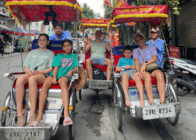
Passenger Option (“Easy Rider”): If you lack riding experience, hire a licensed local driver to navigate mountain passes while you relax and enjoy the views.
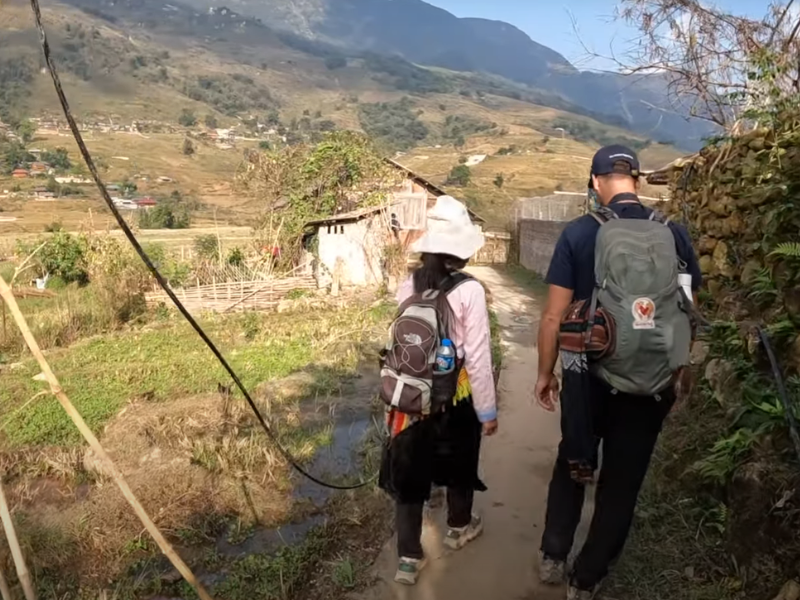
Section 6: Finding Authentic Stays & Local Homestays
Where you choose to rest each night shapes your perspective during backpacking vacations in Vietnam:
1. Social Hostels vs. Quiet Eco-Guesthouses
Social Hostels: Ideal for solo travelers looking to meet companions, organize group transit, and join communal outings in major hubs.
Boutique Homestays: Offer private rooms or quiet dorms hosted by local families—perfect for digital nomads, couples, and travelers seeking rest.
2. Family Homestays (Nhà Dân)
Staying in rural stilt-house homestays (such as in Ba Be, Sapa, or the Mekong Delta) directly supports host communities.
The Experience: Clean sleeping mats, mosquito nets, hot showers, and delicious family-style dinners included in your stay.
Section 7: Seasonal Weather Cycles – When to Go
Understanding regional microclimates helps ensure clear skies and comfortable temperatures for backpacking vacations in Vietnam:
Northern Region (Hanoi, Sapa, Ha Giang): Best from October to April (cool, dry weather). Heavy summer rains (July–August) can cause mountain landslide delays.
Central Coast (Hue, Hoi An, Danang): Best from February to August (sunny, dry conditions). Avoid late autumn rain windows (September–November).
Southern Region (Saigon, Mekong, Phu Quoc): Best from November to April (warm, sunny, dry weather).
Section 8: Health, Formalities & Travel Readiness
Official E-Visa Process: Secure your 90-day multi-entry e-Visa online through the official government portal (
evisa.xuatnhapcanh.gov.vn) at least 10 days before traveling.Adventure Insurance: Verify that your travel insurance policy explicitly covers riding motorbikes, high-altitude trekking, and emergency medical evacuation.
Local Data Access: Pick up a local SIM card or eSIM (from Viettel or Vinaphone) upon arrival for reliable 4G/5G data across rural mountain provinces.
Section 9: Frequently Asked Questions (FAQ)
Q1: Is Vietnam safe for solo female backpackers?
A: Yes! Vietnam is internationally recognized as one of the safest destinations in Southeast Asia. Violent crime is extremely rare, locals are helpful, and the social hostel network makes meeting fellow travelers effortless.
Q2: How much should I budget for a 2-week backpacking trip in Vietnam?
A: A budget of $400 to $650 USD (excluding international flights) easily covers 14 days of guesthouse stays, street dining, intercity transport, and entrance fees.
Q3: Can I blend independent travel with professional tour support?
A: Absolutely. Many travelers handle urban exploration independently while partnering with verified local outfitters like Saola Tours for specialized legs—such as mountain treks, karst bay cruises, or custom 4×4 expedition transport.
Section 10: Complete Field Execution Blueprint with Saola Tours
While independent wayfaring offers incredible freedom, managing complex mountain transit, restricted frontier permits, and regional logistics across remote provinces can take valuable time away from your journey. At Saola Tours, we bridge the gap between independent flexibility and professional ground support.
Below is our detailed operational framework for supporting independent wanderers, flashpackers, and active adventurers:
[Phase 1: Custom Route Consultation] ➔ [Phase 2: Flexible Transport & Permits]
                  │                                     │
                  ▼                                     ▼
[Phase 3: Curated Eco-Stays & Gear] ➔ [Phase 4: 24/7 On-Ground Emergency Support]
Phase 1: Custom Route Consultation & Trail Design
We work directly with you to design realistic overland routes that match your budget, travel style, and timeline:
Balanced Pace: We eliminate overly rushed itineraries, helping you balance energetic cities with quiet wilderness stays.
Hidden Local Trails: Our local specialists integrate lesser-known corridors (such as Ba Be Lake, Pu Luong, or quiet border passes) that standard guidebooks overlook.
Phase 2: Flexible Transport & Restricted Border Permits
Navigating remote provinces requires reliable transport options and proper legal paperwork:
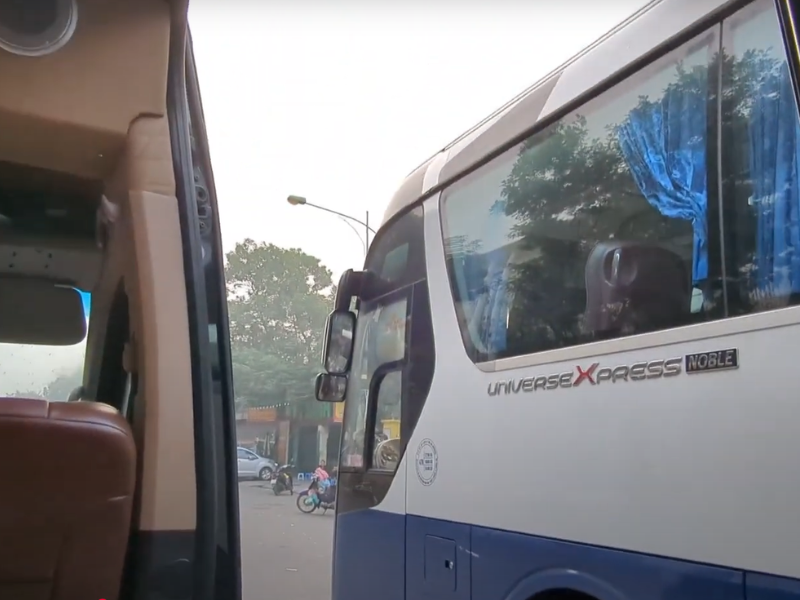
Private & Semi-Private Transfers: We arrange chauffeured 4×4 SUVs, DCar limousines, or verified train tickets to help you bypass crowded public transit when timing matters.
Frontier Permits: We manage all required government entry permits for restricted border zones (such as Cao Bang or Ha Giang border passes) well before your arrival.
Phase 3: Authentic Eco-Stays & Gear Support
We connect you directly with genuine community-based tourism (CBT) initiatives:
Handpicked Village Homestays: Stay in verified family stilt-houses where your accommodation fees directly support host families and local village schools.
Technical Outdoor Gear: Gain access to reliable camping, trekking, and safety equipment—eliminating the need to haul heavy gear from home.
Phase 4: 24/7 On-Ground Emergency Support & Peace of Mind
Your safety and peace of mind remain our highest priorities throughout your journey across Southeast Asia:
24/7 Concierge Support: Our local team is available around the clock via phone or messaging apps to help with route adjustments, medical needs, or emergency transport.
Transparent Local Rates: We provide clear, itemized pricing with zero hidden fees, helping you maximize your travel budget while enjoying complete peace of mind.
Ready to Begin Your Indochina Journey?
Planning your dream backpacking vacations in Vietnam with total confidence requires deep local roots, verified safety standards, transparent pricing, and full state licensing. Let the local experts at Saola Tours help build your ultimate independent expedition today.
➡️ Contact our travel specialists at Saola Tours to receive your personalized, 100% tailor-made expedition proposal and expert local advice!