Vietnam is unequivocally one of the world’s best-value travel destinations. However, traveling “cheap” requires more than just low prices; it demands strategic planning, local knowledge, and an understanding of where to splurge and where to save.
This comprehensive Pillar Page, crafted by Sao La Vietnam Tours with years of on-the-ground expertise, provides the definitive framework for achieving your financial goals in Vietnam. We move beyond generic estimates to provide actionable, real-world daily budgets tailored to your specific travel style.
I. Establishing the Financial Baseline: Why Vietnam is the Budget King
1. The Power of the Vietnamese Đồng (VND)
The most immediate advantage is the favorable exchange rate against major world currencies (USD, EUR, GBP).
Exchange Rate Advantage: With the stability of the Vietnamese Đồng (VND) against international currencies, your travel dollars immediately gain significant purchasing power. As of late [Current Year], [$1 USD = Approx. 24,000 VND], transforming small amounts of foreign currency into large sums of local cash, which psychology makes budgeting easier.
The Zero Count: While seemingly minor, the sheer number of zeroes in the VND denomination means many items are priced low in real terms. You can easily purchase a complete street food meal for 50,000 VND, which translates to roughly $2 USD.
2. Low Operating Costs and Local Economy
Vietnam’s robust local economy, coupled with comparatively low labor costs, directly translates into rock-bottom prices for goods and services vital to travelers.
Local Production: Most food and daily commodities (rice, fresh produce, coffee) are sourced locally, eliminating high import taxes and transportation costs. This keeps the price of street food, the backbone of a budget traveler’s diet, exceptionally low.
Decentralized Services: Services like transportation (motorbike taxis), small guesthouses, and local eateries operate on thin margins and do not have the high overhead of international chains, keeping consumer prices minimal.
II. The Daily Budget Framework: Defining Your Travel Style
To effectively budget, you must first classify your desired travel experience. Simply budgeting “cheap” is ineffective. We break down the daily costs into three realistic categories (excluding major activities like Ha Long Bay tours or long-distance flights).
| Category | Daily Budget (Est. USD) | Accommodation Type | Food Strategy | Ideal Traveler Profile |
| 1. Backpacker Spartan | $25 – $35 | Hostels (Shared Dorms, $8–$12 avg.) | 100% Street Food & Local Markets. | Focused on maximum savings, flexible schedule, social. |
| 2. Mid-Range Explorer | $50 – $65 | Private Guesthouses/Hotels (Budget Double Rooms, $18–$30 avg.) | Mix of Street Food & Local Restaurants (set meals). | Prioritizes comfort, uses reliable transport, moderate splurges. |
| 3. Comfort Traveler | $80 – $100+ | Boutique Hotels/3-Star Chains (Modern Amenities, $40–$60 avg.) | Western/Fusion meals, regular taxis, organized day trips. | Focuses on convenience, privacy, and varied dining. |
E-E-A-T Budget Note: While $25/day is achievable, the sweet spot for a comfortable, enjoyable Backpacker trip, allowing for a few beers and activities, is closer to $30 USD per day.
III. Deep Dive: Accommodation Costs
Accommodation is the easiest cost to control and the foundation of your budget.
1. Hostels: The Backpacker’s Sanctuary
Vietnam boasts some of the world’s best hostels, often providing luxury amenities at rock-bottom prices.
Average Cost (Dorm Bed): $8 – $12 USD.
Extreme Budget: $4 – $6 USD. Available in less central areas or smaller cities (e.g., Dalat, Hoi An). Warning: Rooms at this price point may lack modern ventilation, security, or robust hygiene standards.
Value-Added Amenities (Mid-Range Hostels): Many hostels in the $10-$15 range include free breakfast (often Banh Mi or eggs), swimming pools (especially in Da Nang, Hoi An), and strong social activities (pub crawls, cooking classes). Always check if breakfast is included—this can save you $2-$3 USD immediately.
2. Private Rooms and Budget Hotels
For couples or travelers who prioritize privacy without breaking the bank, Vietnam offers exceptional private room value.
Guesthouse/Budget Hotel (Private Double): $18 – $30 USD.
What to Expect: A clean, private room, air conditioning, and a private bathroom. Rooms at the $30 range often include daily cleaning and are located centrally (e.g., Hanoi Old Quarter).
The $30 Luxury Myth (Reality Check): The claim of a “$30 five-star hotel room” is highly misleading. While you might find an older, promotional 4-star room outside a major city for $30, a genuine, centrally located 5-star room typically starts at $80 – $120+ USD. Be realistic about what $30 buys: excellent 3-star quality, not 5-star luxury.

IV. Mastering Transportation Costs
Moving around Vietnam is inherently cheap, but smart choices dramatically impact your daily budget and travel time.
1. Urban Transportation: The Local Way
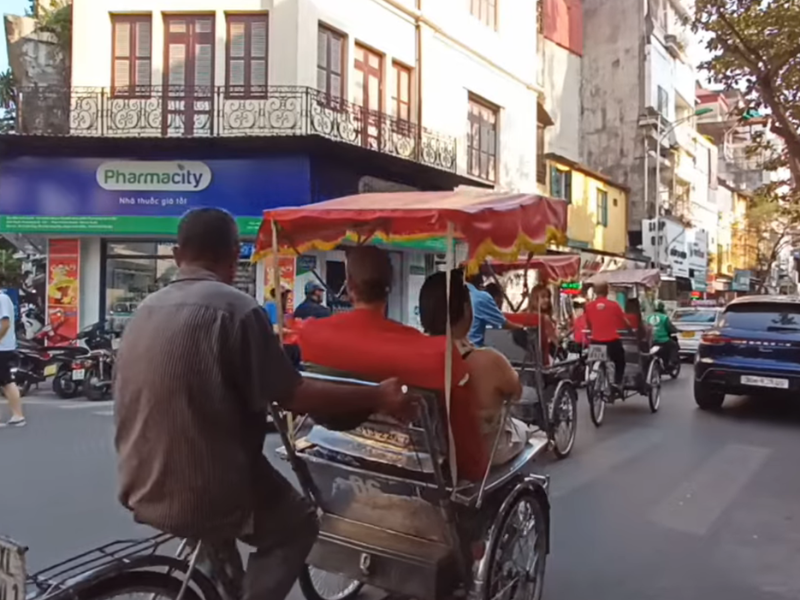
Xe Ôm (Motorbike Taxi) / Grab: The default and most efficient method.
Cost: Short inner-city rides (2-3km) cost between 20,000 VND – 40,000 VND ($0.80 – $1.60 USD).
Expert Tip: Always use Grab (or similar ride-sharing apps like Be). This locks in the price, uses GPS tracking for safety, and eliminates the need for haggling—a massive benefit for budget travelers.
Public Bus: The absolute cheapest method.
Cost: 5,000 VND – 7,000 VND ($0.20 – $0.30 USD) per ride within major cities (Hanoi, HCMC).
Drawback: Slow, often confusing routes, and requires VND coins/small notes. Best for those with zero time constraints.
2. Inter-City Travel: Land, Rail, and Air
Vietnam’s transportation infrastructure is comprehensive, offering budget solutions for every distance.
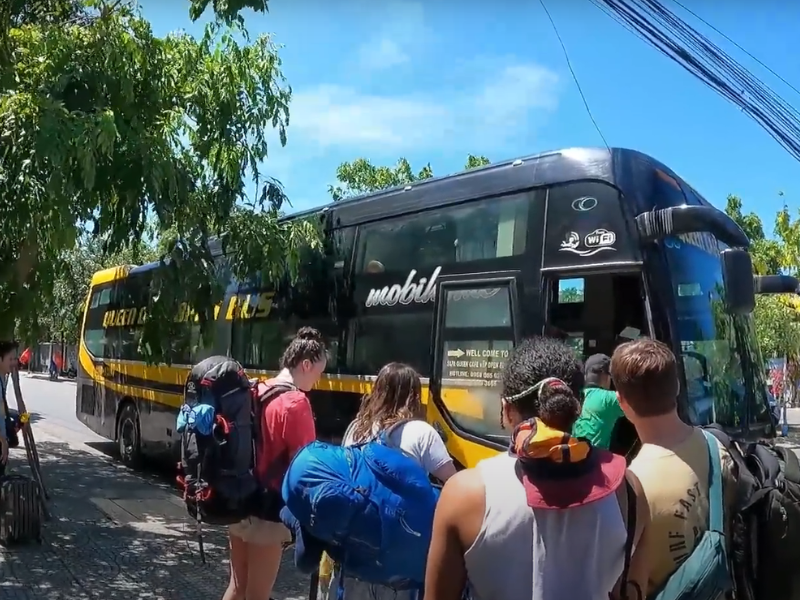
Sleeper Buses (The Budget King):
Cost: Long-distance overnight journeys (e.g., Hanoi to Hue, 12-14 hours) range from $15 – $30 USD.
Value Proposition: Saves one night’s accommodation cost while covering a massive distance. Ideal for the Backpacker Spartan budget.
Reality Check: Sleeper berths are narrow, not designed for tall Western travelers (over 6’2″). Light sleepers may struggle.
Trains (The Scenic Option):
Cost: Hanoi to Da Nang (17 hours) starts at $35 USD (Hard Sleeper).
Value Proposition: Safer, more comfortable than the bus, and offers incredible scenic views along the coast. The Hard Sleeper (6 berths/cabin) is the budget choice; the Soft Sleeper (4 berths/cabin) is the mid-range choice ($50+).
Domestic Flights (The Time Saver):
Cost: Major domestic flights (Hanoi to Ho Chi Minh City) often run promotional fares starting at $35 – $50 USD (excluding checked baggage).
Budget Hack: Always check the base fare, but factor in the cost of baggage (typically $15-$25 extra) and airport transfers (typically $5-$10).
V. Dominating the Food Budget: Eating Like a Local
Food is the highest variable expense on any budget trip. Vietnam is a food paradise, and the cheapest way to eat is also the most authentic: embracing street food.
1. The Street Food Index: Real Prices for Iconic Dishes
To maintain a Backpacker Spartan ($25–$35/day) budget, you must aim for less than $8 USD per day on food. This is easily achieved by adhering strictly to local street vendors.
| Meal Item | Average Price (USD) | Average Price (VND) | Budget Strategy |
| Bánh Mì (Breakfast/Snack) | $0.75 – $1.25 | 18,000 – 30,000 VND | The ultimate budget filler. Look for stands busy with locals. |
| Phở (Noodle Soup) | $1.50 – $2.50 | 35,000 – 60,000 VND | Essential lunch/dinner. Prices often higher in tourist zones (>$3.50). |
| Cơm Bình Dân (Communal Rice Plate) | $1.50 – $2.00 | 35,000 – 50,000 VND | Lunchtime favorite. Choose 3 toppings (meat/veg) over rice. |
| Bún Chả (Grilled Pork Noodles) | $2.00 – $3.00 | 45,000 – 70,000 VND | Specialized dish, slightly higher cost but high value. |
| Vietnamese Coffee (Cà Phê Sữa Đá) | $0.50 – $1.00 | 12,000 – 25,000 VND | Cheapest at small roadside stools, double the price in cafes. |
Budget Hack: Cơm Bình Dân (Worker’s Rice) is your lunch savior. It provides the largest, most nutritious meal for the lowest price. Look for the colorful glass displays around lunchtime (11:30 AM – 1:00 PM).
2. Strategic Dining for Mid-Range Budgets
If you are a Mid-Range Explorer ($50–$65/day), you can afford a local sit-down restaurant daily and enjoy slightly more complex dishes.
Local Sit-Down Restaurants: Expect to pay $4 – $7 USD per main dish. These venues offer better seating, cleanliness assurance, and often English menus.
Western/Tourist Restaurants: Budget for $8 – $15 USD per main course (e.g., pizza, burgers, specialized seafood). Limit these to once or twice a week to maintain your budget.
Saving on Drinks: Imported beers (like Heineken, Corona) cost $2 – $4 USD. Stick to Bia Hơi (local draught beer, often under $0.50 USD in specific spots) or Bia Hà Nội/Saigon bottles ($1 USD).
3. Food Safety for Budget Eaters
A common fear for budget travelers is food poisoning. You can eat safely on the street by applying simple rules:
The Crowd Rule: Always choose the street vendor or restaurant with the most local patrons. High turnover means the food is fresh, cooked quickly, and not sitting out.
The Sizzle Rule: Prioritize food that is cooked in front of you (like Phở, Bánh Mì, or grilling meat). Avoid pre-made salads unless you are in a highly vetted establishment.
The Ice Check: Be aware that ice in Vietnam is typically safe, made from filtered water. However, if unsure, opt for canned/bottled drinks.
VI. Affordable Activities and Entertainment
Vietnam offers an abundance of cultural experiences that cost next to nothing, ideal for the budget traveler.
1. Culture for a Dollar: Entry Fees and Freebies
Most museums and historical sites are incredibly cheap or free.
Ho Chi Minh Mausoleum (Hanoi): Free to enter the complex.
Temples and Pagodas (Every City): Often free, or a minimal entrance fee of 10,000 – 30,000 VND ($0.40 – $1.20 USD).
The Must-See Budget Gems:
Hanoi: Walk the Old Quarter, circle Hoàn Kiếm Lake, cross the Húc Bridge (small fee), visit the Hỏa Lò Prison Museum (approx. $1.50).
Ho Chi Minh City: Walk along the Saigon River, visit the Central Post Office (free), or wander the massive Bến Thành Market.
Free Walking Tours: Search for student-led Free Walking Tours (available in Hanoi, HCMC, Hue, Hoi An). While technically free, always tip your student guide ($5–$10 USD is appropriate) for their time and effort.
2. Budget Entertainment: The Experience
Bia Hơi Experience: Spending an hour sitting on a tiny plastic stool on a street corner, drinking Bia Hơi, and watching the world go by is a quintessential Vietnamese experience that costs only a few dollars.
Cinema: Movies in a modern theater can be surprisingly affordable, often starting at $3 – $5 USD per ticket, a great break from the heat.
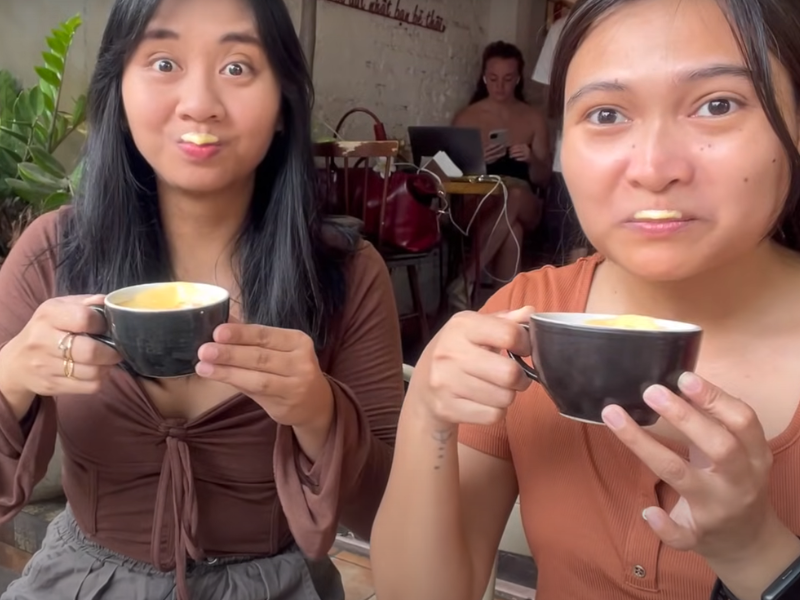
The “Coffee” Experience: Spending hours in a unique local café (e.g., Egg Coffee in Hanoi, or a garden café in Da Lat) requires only the cost of the drink.
VII. Geographical Cost Variance: Advanced Budgeting
A critical mistake budget travelers make is assuming prices are consistent nationwide. Prices vary significantly based on the city’s tourism development, size, and location.
1. Cost Categories by Destination
| Category | High Cost (Hanoi, HCMC, Ha Long Bay) | Medium Cost (Hue, Da Nang, Hoi An, Da Lat) | Low Cost (Cần Thơ, Cao Bằng, Hà Giang) |
| Accommodation (Hostel) | $10 – $15 USD | $8 – $12 USD | $6 – $10 USD |
| Pho/Street Meal | $2.50 – $3.50 USD | $1.75 – $2.50 USD | $1.00 – $1.75 USD |
| Local Taxi/Grab | More prevalent, higher surge pricing. | Balanced availability and fair pricing. | Less Grab, rely on Xe Ôm or local bus. |
| Conclusion | Your budget is tested here. Must be highly disciplined with food choices. | Excellent Value. Best for Mid-Range travelers. | Lowest Cost. Ideal for Spartan budget travelers and long stays. |
2. Managing Cost Spikes in Tourist Traps
Hạ Long Bay: Cruises are a significant unavoidable expense ($100–$250 USD). This cost must be calculated separately from your daily budget.
Sapa: While trekking is cheap, the transport (overnight train) and accommodation in town are often priced higher due to remote logistics and high tourist demand.
Hoi An Ancient Town: Food prices inside the protected Ancient Town are inflated. Walk 5–10 minutes outside the central area to find local prices.
VIII. Final Budget Check: What to Exclude
When calculating your daily budget, ensure these major, non-daily costs are accounted for separately in a total trip budget:
Visa Fees: (If applicable, ~$25 for e-Visa, plus service fees).
Long-Distance Travel: All flights, trains, and major sleeper buses.
Major Activities: Ha Long Bay cruise, Sapa trekking package, multi-day tours.
Travel Insurance: Non-negotiable safety expense (budget $1–$2 USD per day).

IX. The Art of the Bargain: Expert Haggling in Vietnam
Haggling is a cultural interaction, not a confrontation. For the budget traveler, mastering this interaction is crucial, particularly in local markets and with street vendors (excluding restaurants and official shops).
1. The Reality of the “Tourist Price”
It is an unavoidable truth that foreign tourists will often be quoted a higher initial price than a local. This is not malicious; it is a long-standing cultural expectation, particularly in areas like Hanoi’s Old Quarter or Ho Chi Minh City’s Ben Thanh Market.
Understanding the Markup: The initial quote for souvenirs, clothing, or unregulated services (like motorbike taxis before the Grab era) can be 20% to 50% higher than the fair price.
The Fatal Mistake: Attempting to drop the price by over 50% immediately, or engaging aggressively, is counterproductive. It will lead to frustration for both parties and is considered impolite. The goal is a fair price where both parties feel they have made a good deal.
2. The Sao La Tours 3-Step Haggling Strategy
Adopt this polite, effective strategy to ensure a fair price while enjoying the cultural exchange:
Be Informed (The Knowledge Base): Before asking, know the approximate fair price of the item from a nearby shop or fixed-price store. Your knowledge is your strength.
Start Soft (The Opening Bid): Start your counter-offer at 60% to 70% of the vendor’s initial quote. This leaves comfortable room for negotiation. Example: Vendor quotes 150,000 VND. Counter with 90,000 VND.
Use Body Language (The Exit Strategy): If the vendor’s price is still too high, politely smile, thank them (Cảm ơn), and begin to walk away slowly. If they are willing to meet your price or offer a better one, they will call you back. Never rush or show frustration. If they don’t call you back, the price was likely fair for them, and you can try the next stall.
Crucial Tip (Trust): NEVER haggle for food on the street. Street food prices are almost always fixed and already extremely low. Haggling over a bowl of Pho is considered disrespectful to the local vendor’s hard work and thin margins.
X. Advanced Budget Hacks for Long-Term Savings
These are the actionable, daily strategies that transform an average budget trip into an outstandingly frugal one, often saving $5 to $10 USD per day.
1. The Water and Coffee Strategy
Hydration and caffeine are two of the biggest, often overlooked, daily expenses.
Refill, Don’t Buy: Always stay at guesthouses or hostels that offer free purified water refills (a common feature in Vietnam). Buying three large bottles of water daily adds $3 to $4 USD to your budget—a significant sum for a $25/day traveler.
The Café Cost Curve: Avoid high-end, air-conditioned coffee shops (Starbucks, Highlands Coffee) where a drink can cost 60,000–90,000 VND. Instead, seek out small, family-run roadside stalls (quán cà phê) where the traditional Cà Phê Sữa Đá (Iced Milk Coffee) costs 10,000–15,000 VND ($0.50–$0.65 USD).
2. Laundry and Personal Services
Wash-by-Weight: Never use hotel laundry services. Look for local “Giặt Ủi” (Laundry) shops. The price is based on weight, typically 15,000 – 25,000 VND per kilogram ($0.60 – $1.00 USD/kg). This is often a massive saving compared to the per-item cost at hotels.
Barber/Haircuts: Getting a haircut or shave from a local street barber is an experience and costs under $3 USD.
3. Entertainment and Social Budgeting
Happy Hour Exploration: Take advantage of daily happy hour deals for cocktails or discounted beers at backpacker bars, often running from 5 PM to 8 PM.
Binge Watching: Use the fast, free Wi-Fi found in most Vietnamese cafes and hostels to download movies or shows to watch offline on long bus journeys, saving on mobile data costs.
XI. Mitigating Budget Risks: Common Pitfalls and Cautions
True expertise involves warning travelers about common financial traps and safety issues that can derail a budget.
1. Avoiding Financial Scams
The Taxi Meter Scam: In major cities, unlicensed taxis may tamper with the meter to run up the fare quickly. The Solution: Strictly use Grab (car or bike) or reputable firms like Mai Linh (Green and White) or Vinasun (White and Green). Never hail an unbranded taxi off the street.
The Currency Confusion: Due to the number of zeroes, it is easy to mistake a 50,000 VND note for a 20,000 VND note (both are blue) or a 100,000 VND note for a 10,000 VND note (both are greenish). The Solution: Take extra time counting change, especially when paying with high denominations (500,000 VND).
2. Dealing with Health Costs
A budget trip can be instantly ruined by unexpected medical expenses.
Travel Insurance is Non-Negotiable: Even the most stringent budget traveler must allocate funds for comprehensive travel insurance ($1–$2 USD per day). A simple day trip to a Western-standard clinic can cost $50–$100 USD, a massive spike for a budget traveler.
Pharmacy First: For minor issues (colds, stomach upset), visit a local pharmacy. Medications are cheap, often sold individually, and the pharmacists are usually knowledgeable.
XII. Strategic Timing: Seasonal Budgeting
The time of year you travel drastically affects the fixed costs of accommodation and flights.
| Season | Months | Accommodation Cost | Flight Cost | Budget Traveler Advantage |
| Peak Season | Dec – Feb | Highest (15-25% higher) | Highest | Avoid, or book 4+ months in advance. |
| Shoulder Season | Mar-Apr, Sep-Nov | Moderate (Best overall value) | Moderate | Best time for budget and experience. Weather is excellent. |
| Low Season | May – Aug | Lowest (Ideal for budget) | Lowest | Deepest discounts on hotels and tours. Drawback: high heat/rain. |
Local Holiday Warning: Always check for major Vietnamese holidays (Tết, Reunification Day – April 30th). Prices for transport and hotels spike significantly (sometimes 50%+), and availability drops to zero during these periods.
XIII. Conclusion: Your Successful Budget Trip Awaits
Vietnam is the ultimate budget traveler’s paradise, offering unparalleled cultural richness, culinary depth, and safety, all at a cost that allows for longer stays and deeper exploration. The secret is not simply finding the cheapest option, but applying strategic knowledge—knowing where to spend your 50,000 VND for maximum value, and where to avoid spending your 500,000 VND unnecessarily.
You are now armed with the 3-Tier Daily Budget Framework, the Street Food Index, and Expert Haggling Strategies. Your frugal feast awaits.
Stop planning and start exploring. Let Sao La Tours help you execute the perfect, stress-free budget adventure.
START YOUR FREE VIETNAM BUDGET ITINERARY CONSULTATION TODAY!