Vietnam – The Land of Striking Contrasts
Vietnam is more than a nation; it is a geographic experience stretching over 1,000 miles, offering captivating contrasts between pulsating urban energy and tranquil rural beauty. To truly capture the breadth of its history and landscape, a comprehensive, region-by-region guide is essential.
The Importance of Planning: A North-to-South journey requires deep understanding of logistics and climate patterns. This expert guide will help you build your perfect itinerary.
I. Exploring Northern Vietnam: Cultural Heart and Natural Wonders
Northern Vietnam is the keeper of the nation’s millennia-old history and home to its most celebrated UNESCO natural sites.
1. Hanoi: The Echoing Cultural Symphony
Hanoi serves as the cultural capital, a place where history and modernity harmonize beautifully.
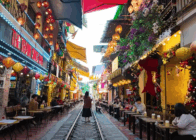
The Old Quarter: A labyrinth where bustling streets named after traditional goods (Hang Bac – Silver Street, Hang Gai – Silk Street) coexist with modern cafes. This area demands skilled navigation and historical insight to locate authentic street food vendors over tourist traps.
Hoan Kiem Lake and Turtle Tower: The legendary heart of the city, echoing tales of the Le Dynasty.
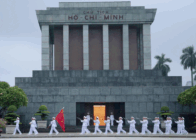
Historical Sites: The Ho Chi Minh Mausoleum and the Temple of Literature (Vietnam’s first national university) are mandatory visits to understand the nation’s modern and educational traditions.

2. Ha Long Bay / Lan Ha Bay: A UNESCO Natural Marvel
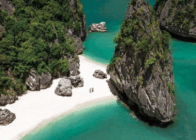
Recognized by UNESCO, Ha Long Bay is a sculpted masterpiece of nature featuring over 1,600 colossal limestone islands.
Cruise Selection: Travelers should distinguish between the traditional Ha Long Bay (often crowded) and the more serene Lan Ha Bay. Premium cruises often favor Lan Ha for lower boat density and superior kayaking experiences.
Activities: Kayaking through hidden lagoons and grottoes, and visiting floating fishing villages.

3. Sapa: The Enchanted Highlands
Nestled in the Hoang Lien Son Mountains, Sapa is a dreamscape defined by magnificent cascading rice terraces.
Authentic Trekking Routes: For a truly authentic and sustainable Sapa trekking experience, choose operators who work directly with local ethnic minority communities (H’Mông, Red Dao) over large-scale, generic tours.
Fansipan Mountain: Often called “The Roof of Indochina” (3,143 meters). Accessible via cable car or a challenging 2-3 day climbing tour requiring expert logistics.
4. Ninh Binh: “Ha Long Bay on Land”
A short distance from Hanoi, Ninh Binh is famous for its inland karst landscape, mirroring the majesty of Ha Long Bay on land.
Tam Coc and Trang An: Trang An is a UNESCO World Heritage site where you can take a boat ride through caves and beneath towering limestone cliffs.
Nature Reserve: Do not miss the Van Long Nature Reserve, Vietnam’s largest wetlands reserve, home to rare primates and excellent for quiet boat tours.
II. Discovering the Central Region: Heritage, Caves, and Coastal Cities
Central Vietnam is defined by its dramatic history, ancient ports, and geological marvels that draw adventure seekers worldwide.
5. Hue: The Imperial City of Heritage
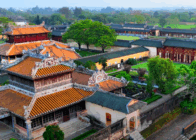
Hue served as the imperial capital of the Nguyen Dynasty for over a century, and its monuments are designated UNESCO World Heritage sites.
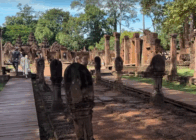
The Imperial City (The Citadel): Exploring this vast walled enclosure requires expert guidance to understand the complex history of the forbidden Purple City and the major restoration efforts following the war.
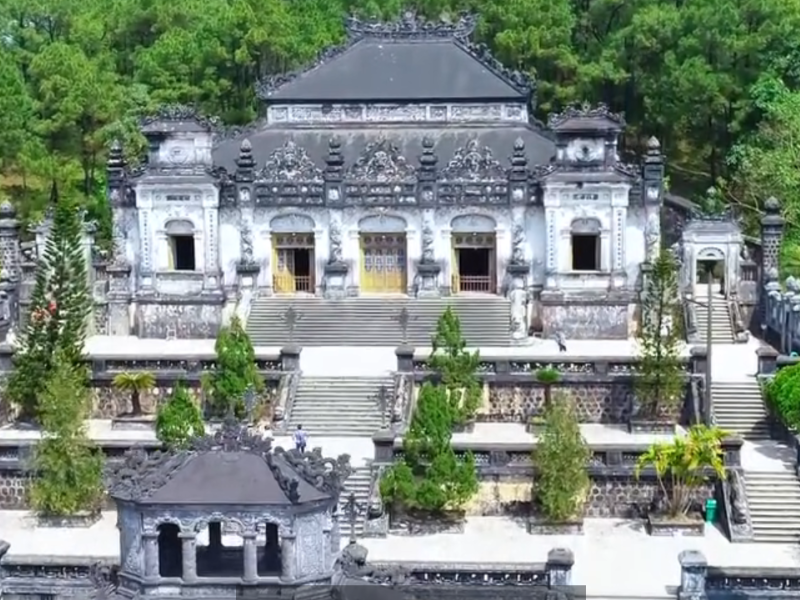
Imperial Tombs: The elaborate tombs of the Nguyen Emperors (e.g., Khai Dinh, Tu Duc) are spread out across the countryside. Efficient logistics and private transport are essential for visiting multiple sites comfortably in one day.
Cuisine Specialization: Hue is also renowned for its specialized royal cuisine, which expert operators should incorporate into local dining experiences.
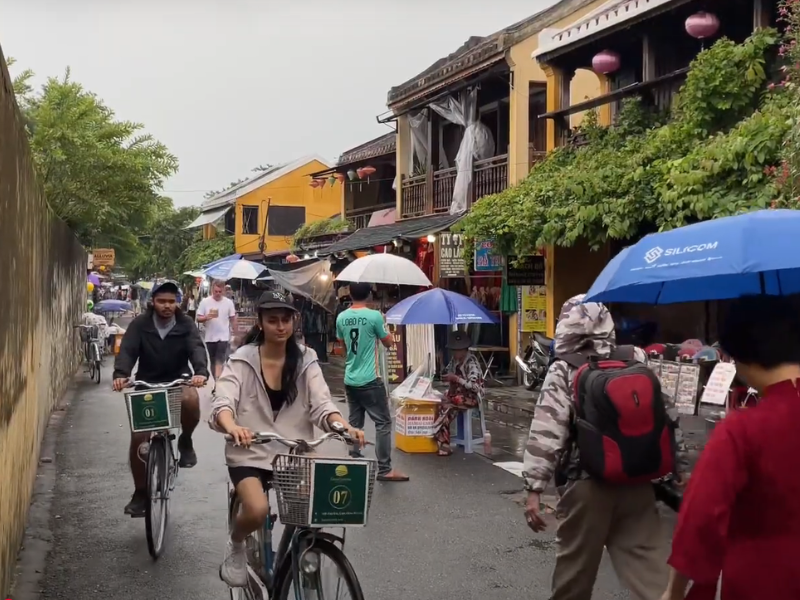
6. Hoi An: A Lantern-Lit Dream and Ancient Port
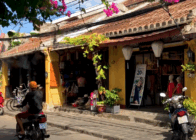
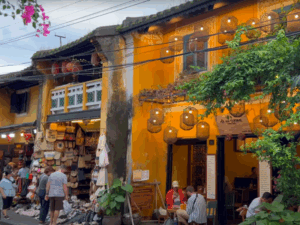
Hoi An’s Ancient Town is a perfectly preserved example of a Southeast Asian trading port from the 15th to 19th centuries.
Architecture: The town features unique architectural blend (Vietnamese, Chinese, Japanese, and European influences), highlighted by the iconic Japanese Covered Bridge.
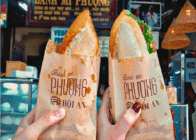
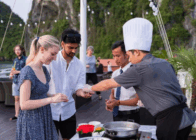
Experience Focus: The most enriching experiences here are cooking classes and custom tailoring, leveraging the town’s artisan heritage. The town is best explored on foot or by bicycle.
7. Quang Binh: The Kingdom of Caves
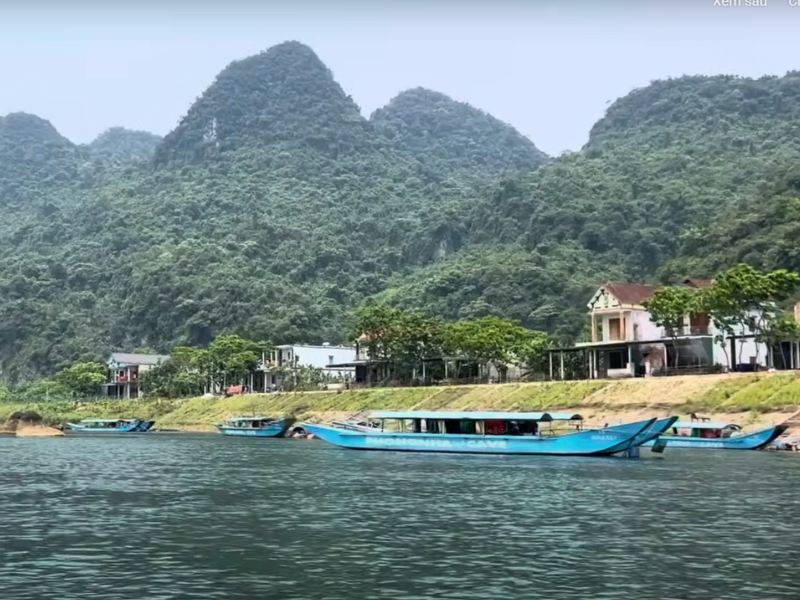
Quang Binh is the global capital for caving, home to the UNESCO-listed Phong Nha-Ke Bang National Park and the largest cave in the world.
Son Doong Cave: Visiting Son Doong requires an extensive 4-day expedition and expert-level logistics, limited permits, and is extremely costly. It is only offered by one specific licensed operator, a detail any expert guide must know.
Accessible Caves: More accessible wonders include Phong Nha Cave (reached by boat) and Paradise Cave (known for its vast chambers and stunning stalactites). Safety in this region is paramount; always book guided cave tours.
8. Da Nang: The Modern Coastal Metropolis
Da Nang is a harmonious blend of natural beauty and urban development, serving as the logistical hub for Central Vietnam.
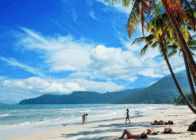
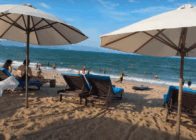
My Khe Beach: Famous for its golden sands and excellent surfing conditions.
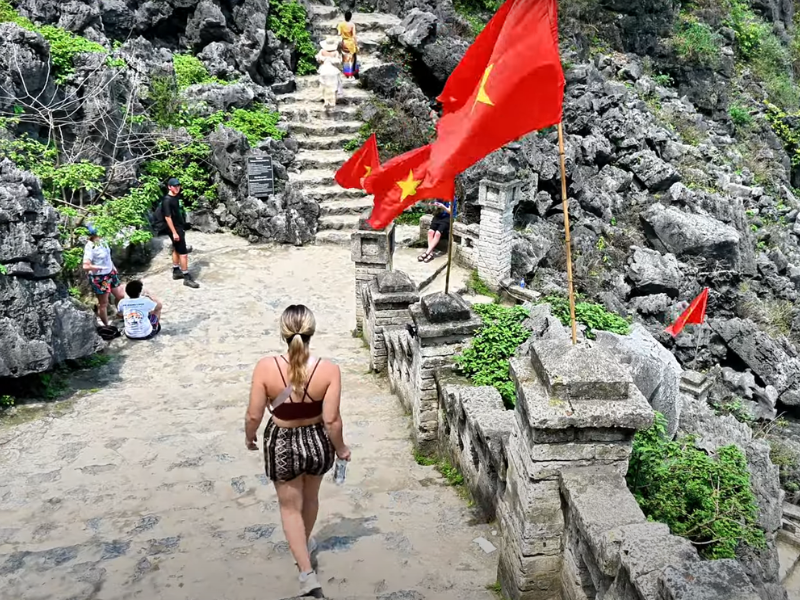
Marble Mountains: A cluster of five limestone and marble hills. Climbing these mountains offers stunning panoramic views of the coast and requires a reasonable level of fitness.
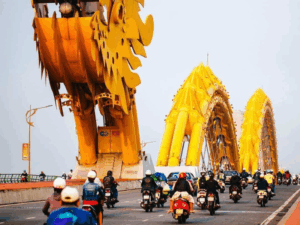
Dragon Bridge: A testament to Da Nang’s innovative spirit, known for its weekend fire and water breathing displays.

9. Pleiku: The Authentic Central Highlands
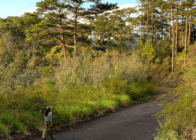
Pleiku offers a cool, crisp retreat into the Central Highlands, providing a counterpoint to the coastal bustle.
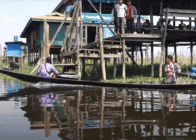
Cultural Immersion: This area provides deep cultural exposure to the indigenous Bahnar and Jarai communities. Visiting their traditional stilt houses and understanding their customs offers a unique, authentic Vietnamese experience away from the main tourist trail.
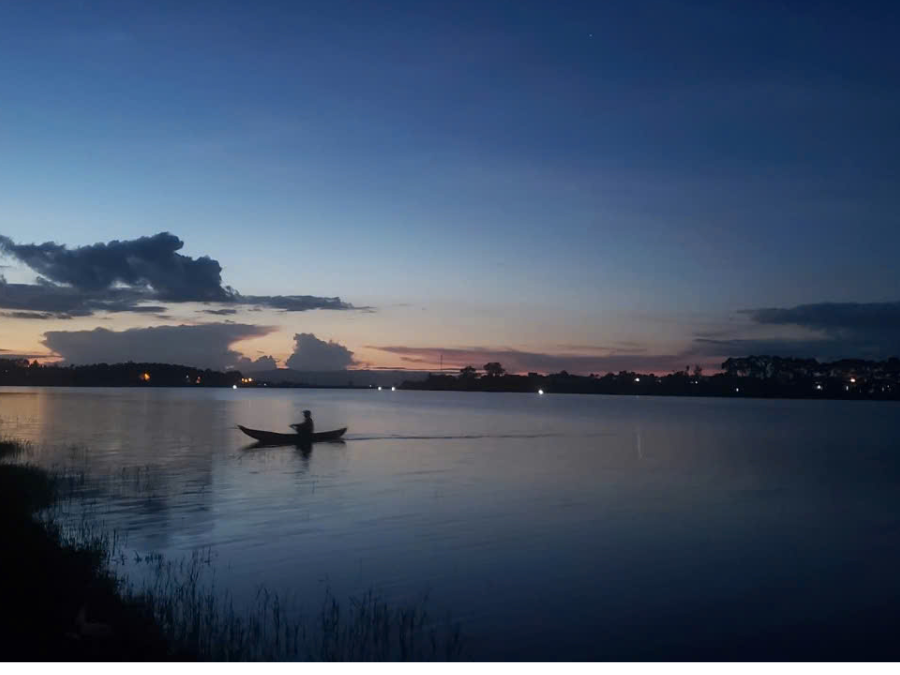
Natural Beauty: Bien Ho Lake (“The Tear of Pleiku”) is an excellent spot for tranquil contemplation. Due to the high altitude and remoteness, traveling here requires a licensed local driver specializing in mountainous terrain.
III. Venturing into the South: The Dynamic Delta and Urban Energy
Southern Vietnam is defined by the electrifying pace of its major city and the intricate, life-giving waterways of its vast delta region.
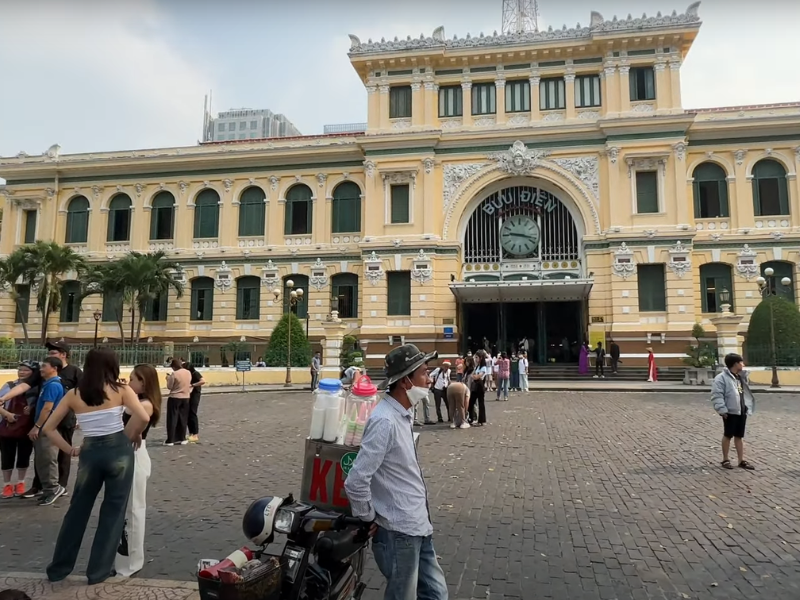
10. Ho Chi Minh City (Saigon): The Pulsating Metropolis
Ho Chi Minh City (HCMC) throbs with a commercial and entrepreneurial energy that is both exhilarating and inspiring.
Historical Depth: Explore the War Remnants Museum, the Reunification Palace, and the Notre Dame Cathedral. These sites are essential for understanding the pivotal role of the South in Vietnam’s modern history.
Tunnels of Cu Chi: The vast, underground network of Cu Chi Tunnels is a mandatory historical excursion, revealing the ingenious guerrilla warfare tactics used during the war. Due to distance, a half-day private tour is the most efficient way to visit.
11. The Mekong Delta: Vietnam’s Rice Bowl
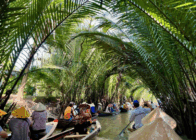
The Mekong Delta is a sprawling, fertile network of rivers, canals, and tributaries, where life revolves around the water.
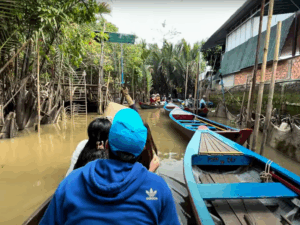
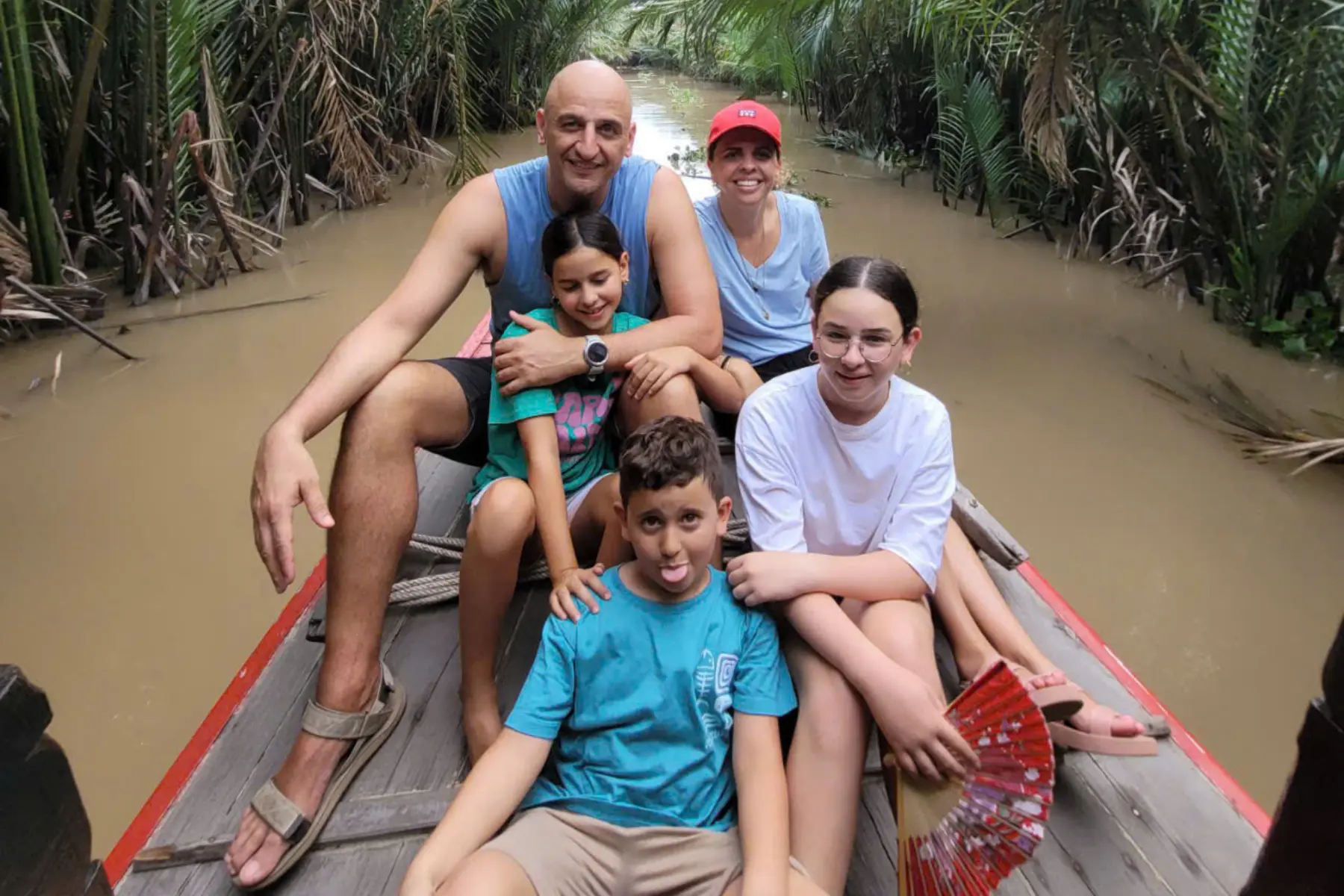
Riverine Life: Experience the unique rhythm of the floating markets (Cai Rang in Can Tho is the largest) and navigate the smaller canals by sampan boat.
Logistical Complexity: Visiting the remote parts of the Delta (like Tra Su Forest or certain fruit orchards) requires specialized local knowledge and logistics to manage boat transfers and timed market visits effectively.
IV. Expert Practical Tips (E-E-A-T Depth)
Moving beyond generic advice, these tips provide the operational expertise necessary for planning a large, multi-region trip.
1. Climate and Timing Logistics
| Region | Best Time to Visit | Climate Considerations |
| North (Hanoi, Sapa, Ha Long) | Spring (Mar–Apr) & Autumn (Sep–Nov) | Winter (Dec–Feb) can be cold and foggy, especially in Ha Long and Sapa. |
| Central (Hue, Hoi An, Da Nang) | Dry Season (Jan–Aug) | Avoid Typhoon Season (Sep–Nov) which can disrupt flights and coastal travel. |
| South (HCMC, Mekong Delta) | Dry Season (Nov–Apr) | Rainy Season (May–Oct) involves heavy afternoon downpours but usually does not halt travel. |
2. Transportation and Safety
Domestic Travel: For efficiency and safety in a North-to-South itinerary, domestic flights are the best option (Hanoi – Hue/Da Nang; Da Nang – HCMC). Night trains are a cultural experience but add significant travel time.
Local Transfers: For local transfers and excursions to remote areas (like Pleiku or Quang Binh), a licensed private driver specializing in mountainous terrain is strongly recommended over self-driving or public transport.
V. Strategic Conclusion and Expert Call to Action
These top attractions in Vietnam offer more than sights—they offer a profound journey through history, culture, and nature. Recounting their tales proves that meticulous planning is crucial, especially when connecting remote, historical, and geological sites.
Ready to transform these stunning locations into your personal, seamless itinerary?
Logistics for a comprehensive North-to-South adventure, especially involving specialized areas like Phong Nha Caves or the Mekong Delta, require specialized local knowledge. Don’t let complex transfers and regional planning diminish your travel joy.
Sao La Vietnam Tours specializes in architecting these complex, multi-region journeys. We provide:
Verified Expertise: Itineraries designed by locally licensed experts who understand regional climate and logistics.
Safety Assurance: Seamless transfers and 24/7 in-country crisis management throughout your journey.
Secure your seamless, expertly guided Vietnamese adventure now.
➡️ Click here to request your custom, logistics-vetted Vietnam itinerary today!
Meet the Expert Who Designed This Guide
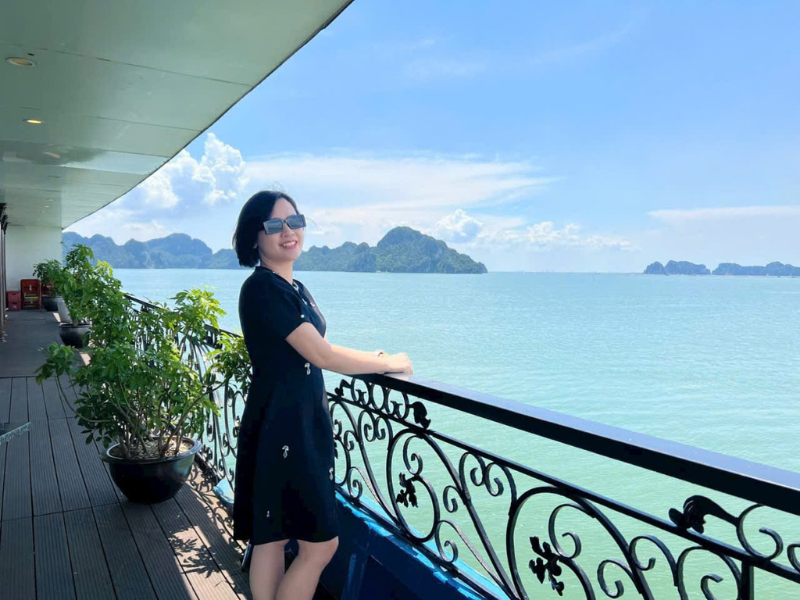
Written by Tracy Nguyễn, Lead Regional Logistics Specialist at Sao La Tours
The author has over 10 years of experience designing complex, multi-region Vietnam itineraries, with a focus on client safety, efficient transfers, and authentic regional immersion.