Discover Vietnam’s top temples and pagodas, the majestic Bai Dinh Pagoda to the historic One Pillar Pagoda. Learn about Buddhist traditions, temple etiquette, and spiritual travel tips.
Discover Vietnam’s Spiritual Heritage
Vietnam is home to some of the most breathtaking temples and pagodas in Southeast Asia. the grand Bai Dinh Pagoda to the ancient Perfume Pagoda, these sacred sites reflect Vietnam’s rich spiritual heritage, blending Buddhist, Taoist, and Confucian traditions.
Whether you seek peaceful meditation, cultural insights, or stunning architecture, Vietnam’s temples and pagodas offer a journey through history, faith, and tradition.
This guide explores the best temples and pagodas in Vietnam, the importance of Buddhist and Taoist beliefs, and essential etiquette tips for visitors.
1. Top Temples and Pagodas to Visit in Vietnam
1.1. Bai Dinh Pagoda – The Largest Buddhist Complex in Vietnam
Location: Ninh Binh, Northern Vietnam
Why Visit? Bai Dinh Pagoda is Vietnam’s largest Buddhist temple, spanning over 500 hectares. It houses the tallest Buddha statue in Vietnam (10 meters high) and 500 Arhat statues.
✔ Must-See Highlights:
- The 13-story Stupa – Offers panoramic views of Ninh Binh.
- The Giant Bronze Buddha – Weighs over 100 tons.
- The 500 Arhat Statues – A stunning collection of stone-carved monks.
Best Time to Visit: January – March (Lunar New Year celebrations).
Travel Tip: Bai Dinh is part of Trang An Scenic Landscape Complex, a UNESCO World Heritage Site, perfect for a day trip Hanoi.
1.2. Perfume Pagoda – A Sacred Pilgrimage Site
Location: Hanoi, Northern Vietnam
Why Visit? Perfume Pagoda (Chùa Hương) is one of Vietnam’s most important Buddhist pilgrimage sites, located inside a cave on Huong Tich Mountain.
✔ Must-See Highlights:
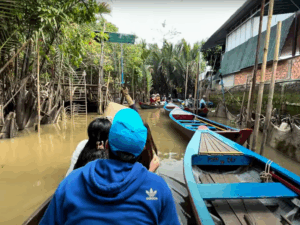
- Boat Trip on the Yen River – A scenic ride through limestone karsts and lush forests.
- Huong Tich Cave Temple – Home to a sacred Buddha statue and stalactites.
- Thien Tru Pagoda – A beautiful temple at the mountain base.
Best Time to Visit: February – March (during the Perfume Pagoda Festival).
Travel Tip: Be prepared for a steep hike or take the cable car to the top.
1.3. One Pillar Pagoda – A Symbol of Hanoi
Location: Hanoi, Northern Vietnam
Why Visit? Built in 1049, the One Pillar Pagoda is one of Vietnam’s most iconic temples, designed to resemble a lotus flower rising the water.
✔ Must-See Highlights:
- Unique Architecture – Built on a single stone pillar, symbolizing purity.
- Buddha Statue of Quan Am – Dedicated to the Goddess of Mercy.
- Best Time to Visit: Early morning or late afternoon to avoid crowds.
Travel Tip: The pagoda is near Ho Chi Minh Mausoleum, making it easy to visit both sites in one trip.
1.4. Tran Quoc Pagoda – Hanoi’s Oldest Buddhist Temple
Location: Hanoi, Northern Vietnam
Why Visit? Located on West Lake, Tran Quoc Pagoda is Hanoi’s oldest Buddhist temple (built in the 6th century).
✔ Must-See Highlights:
- The 15-Meter Tall Stupa – Houses Buddha relics.
- Scenic Views of West Lake – A perfect spot for sunset photos.
- Best Time to Visit: Sunset for the most beautiful reflections on the water.
Travel Tip: Wear modest clothing as it’s an active place of worship.
1.5. Thien Mu Pagoda – The Spiritual Icon of Hue
Location: Hue, Central Vietnam
Why Visit? Thien Mu Pagoda is Vietnam’s tallest pagoda, standing 21 meters high, overlooking the Perfume River.
✔ Must-See Highlights:
- The Seven-Story Pagoda – A symbol of Hue’s Buddhist heritage.
- The Historic Austin Car – Used by a monk in a famous self-immolation protest in 1963.
Best Time to Visit: Late afternoon for a peaceful atmosphere.
Travel Tip: Combine your visit with a dragon boat ride on the Perfume River.
2. Buddhist & Taoist Traditions in Vietnam
Vietnam’s temples and pagodas are influenced by Buddhism, Taoism, and Confucianism.
✔ Buddhism (Most Common Religion): Practiced by 70% of Vietnamese people. Many pagodas honor Quan Am (Goddess of Mercy).
✔ Taoism: Influences spiritual rituals, ancestor worship, and yin-yang balance.
✔ Confucianism: Promotes respect for elders and education, seen in Temple of Literature (Hanoi).
Pro Tip: Many pagodas have fortune-telling services where monks offer blessings and guidance.
3. Temple Etiquette & Cultural Tips
When visiting temples and pagodas, follow these important etiquette tips:
✔ Dress Modestly: Wear long pants and covered shoulders. Avoid shorts and tank tops.
✔ Remove Shoes: Before entering main prayer halls.
✔ No Loud Conversations: Maintain silence out of respect.
✔ Use Both Hands: When receiving gifts or donations monks.
✔ Do Not Touch Buddha Statues: Always show reverence and respect.
Pro Tip: If you offer incense or donations, do so with both hands as a sign of respect.
Final Thoughts
Vietnam’s temples and pagodas are not just religious sites, but also architectural wonders and cultural treasures. Whether you’re exploring Bai Dinh’s grandeur, trekking to Perfume Pagoda, or visiting Hanoi’s One Pillar Pagoda, each site offers a unique spiritual experience.
Top Picks for First-Time Visitors:
Most Iconic: One Pillar Pagoda (Hanoi)
Best Pilgrimage Site: Perfume Pagoda (Hanoi)
Most Scenic: Tran Quoc Pagoda (Hanoi’s West Lake)
Richest History: Thien Mu Pagoda (Hue)