Explore Hue’s rich history, the Imperial City and royal tombs to the Perfume River and Thien Mu Pagoda. Try Hue cuisine and uncover the charm of Vietnam’s former capital!
Nestled along the Perfume River, Hue was Vietnam’s imperial capital 1802 to 1945 and remains one of the most historically significant cities in the country. With its ancient citadel, royal tombs, sacred pagodas, and delicious cuisine, Hue offers a perfect blend of history, culture, and scenic beauty.
This Hue travel guide will take you through the best things to do in Hue, including visits to the Imperial City, Thien Mu Pagoda, Perfume River, and the city’s famous royal tombs and cuisine.
1. The Imperial City – The Heart of Hue’s History
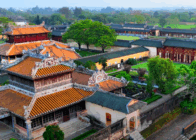
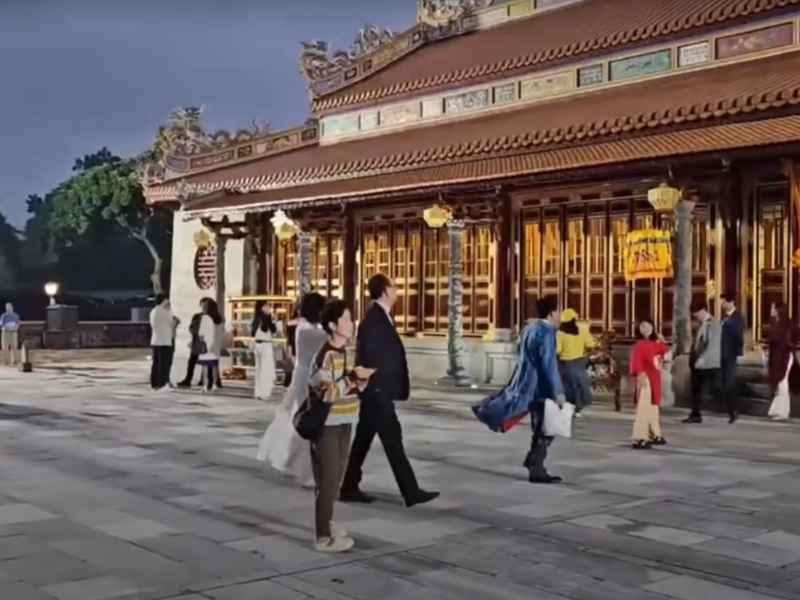
One of the most iconic landmarks in Hue is the Imperial City, a UNESCO World Heritage Site that served as the political and cultural center of the Nguyen Dynasty. Built in 1804, this vast citadel was home to Vietnam’s emperors until 1945.
Highlights of the Hue Imperial City:
✔ Ngo Mon Gate – The grand entrance to the Imperial City.
✔ Thai Hoa Palace – The throne hall of the Nguyen emperors.
✔ Forbidden Purple City – Once reserved for the royal family.
✔ Dien Tho Residence – The former home of the queen mothers.
Travel Tip: Visit early in the morning to avoid crowds and the midday heat. Wear comfortable shoes, as the site is large and requires a lot of walking.
2. Perfume River – A Scenic Journey Through Hue
The Perfume River (Song Huong) flows through the heart of Hue and offers a peaceful and picturesque way to explore the city. It gets its name the fragrant flowers that fall the water orchards upstream.
Best Ways to Experience the Perfume River:
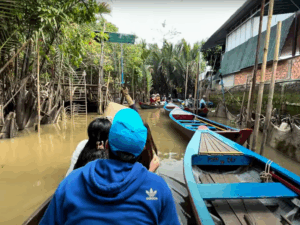
✔ Take a dragon boat tour to visit royal tombs and pagodas.
✔ Enjoy a sunset cruise with traditional Hue folk music.
✔ Walk along the riverbanks for stunning city views.
Travel Tip: The best time for a boat ride is in the late afternoon when the sunset colors reflect beautifully on the water.
3. Thien Mu Pagoda – The Symbol of Hue
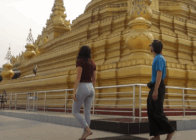
Sitting on a hill overlooking the Perfume River, Thien Mu Pagoda is the oldest and most famous pagoda in Hue. Built in 1601, it remains a symbol of the city’s spiritual and historical heritage.
What to See at Thien Mu Pagoda:
✔ Phuoc Duyen Tower – A striking 7-story pagoda that dominates the skyline.
✔ Giant Bell & Tortoise Steles – Important historical artifacts.
✔ Austin Car Exhibit – The car of a Buddhist monk who protested against the South Vietnamese government in 1963.
Travel Tip: The best way to visit Thien Mu Pagoda is by boat the Perfume River or by cycling the city center.
4. The Royal Tombs – Resting Places of Nguyen Emperors
Hue is home to several royal tombs, each built as a grand resting place for Nguyen emperors. These tombs are scattered along the Perfume River and are known for their stunning architecture, peaceful gardens, and historical significance.
Best Royal Tombs to Visit in Hue:
Tomb of Minh Mang (Completed in 1843) – A majestic complex surrounded by lakes, gardens, and traditional Vietnamese architecture.
Tomb of Khai Dinh (Completed in 1931) – A fusion of Vietnamese and European styles, featuring intricate mosaics and dragon sculptures.
Tomb of Tu Duc (Completed in 1867) – The most picturesque and poetic tomb, built by Emperor Tu Duc as his personal retreat.
Travel Tip: Consider hiring a local guide to learn the fascinating stories behind each tomb.
5. Best Hue Cuisine – A Royal Culinary Experience
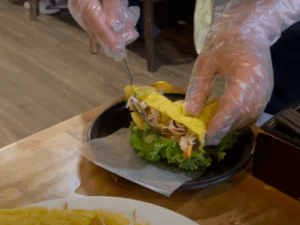
Hue is known for its royal cuisine, featuring complex flavors, delicate presentations, and unique local dishes.
Must-Try Dishes in Hue:
Bun Bo Hue – A spicy beef noodle soup with lemongrass and pork.
Banh Xeo Hue – A crispy pancake filled with shrimp and bean sprouts.
Nem Lui – Grilled pork skewers served with fresh herbs and rice paper.
Com Hen – A flavorful clam rice dish with peanuts and crispy pork.
Best Places to Eat in Hue:
Quan Cam – Best for Bun Bo Hue.
Hanh Restaurant – Famous for Banh Xeo and Nem Lui.
Dong Ba Market – A great place to try local street food.
6. Best Time to Visit Hue
Hue has a tropical monsoon climate, meaning hot summers and mild winters.
☀️ Best time to visit: March to May (spring) and September to November (autumn) when the weather is cool and dry.
Rainy season: October to December – Heavy rain and occasional flooding.
Summer (June to August): Hot and humid, but great for fewer crowds.
Travel Tip: Visit in April during the Hue Festival, when the city hosts cultural performances, parades, and traditional music shows.
7. How to Get to Hue
By Train: Take the Reunification Express Train Hanoi or Da Nang for a scenic coastal journey.
✈️ By Plane: Hue’s Phu Bai International Airport (HUI) serves domestic flights.
By Bus: Comfortable buses connect Hue with Da Nang and Hoi An in 2-3 hours.
Travel Tip: The Hai Van Pass between Hue and Da Nang offers breathtaking coastal views—consider renting a motorbike or taking a private car.
Final Thoughts
Hue is Vietnam’s most historic city, offering ancient imperial architecture, breathtaking landscapes, and delicious cuisine. Whether you’re exploring the Imperial City, cruising the Perfume River, or tasting royal dishes, Hue provides a unique glimpse Vietnam’s rich past.
Start planning your Hue adventure today!