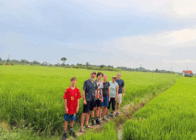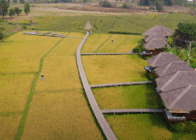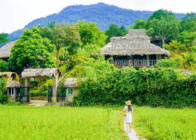
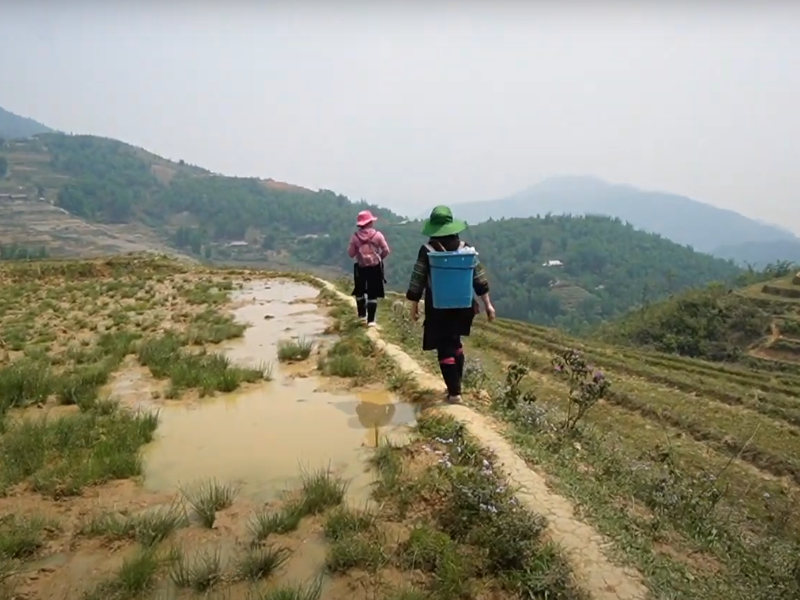
A Sapa trekking tour begins before breakfast, when mist still sits in the valley and the first Hmong farmers are already walking out to the fields. Within an hour the clouds lift, and terraces step down the mountainside in green, silver or gold, depending on the month. Sapa sits at about 1,500 metres in the far northwest, and its valleys, villages and mountain trails make it the most rewarding place in Vietnam to walk.
This guide shows how to plan a Sapa trekking tour well. It compares eight routes by effort, explains what the terraces look like in each month, covers the journey from Hanoi, compares homestays with hotels, and weighs guided against independent trekking. It also offers a packing list, village etiquette, safety advice, sample itineraries and the mistakes that most often spoil a trip. Whether you want a gentle half-day or a summit attempt, you will find a plan here.
A Sapa trekking tour is one of the most popular add-ons to a northern route, and it supports our main guide to Vietnam tour packages. If you want a route designed around you, see our Vietnam private tour page.
Sapa Trekking Tour Fast Facts
Use this table for a quick overview of what a Sapa trekking tour involves.
| Topic | What to know |
|---|---|
| Location | Far northwest Vietnam, near the Chinese border, about 320 to 350 kilometres from Hanoi |
| Altitude | About 1,500 metres in town, with Fansipan reaching 3,143 metres |
| Journey from Hanoi | About 5 to 8 hours, by road or overnight train plus a transfer |
| Best seasons | March to May and September to November |
| Ideal length | Two to four days, including one night in a village homestay |
| Difficulty | Easy to moderate for most routes, and hard for the Fansipan summit |
| Peoples you will meet | Hmong, Red Dao, Giay and Tay communities |
| Typical trail | Muong Hoa Valley, home to some of the country’s largest terraced rice fields |
Eight Routes for a Sapa Trekking Tour, by Effort
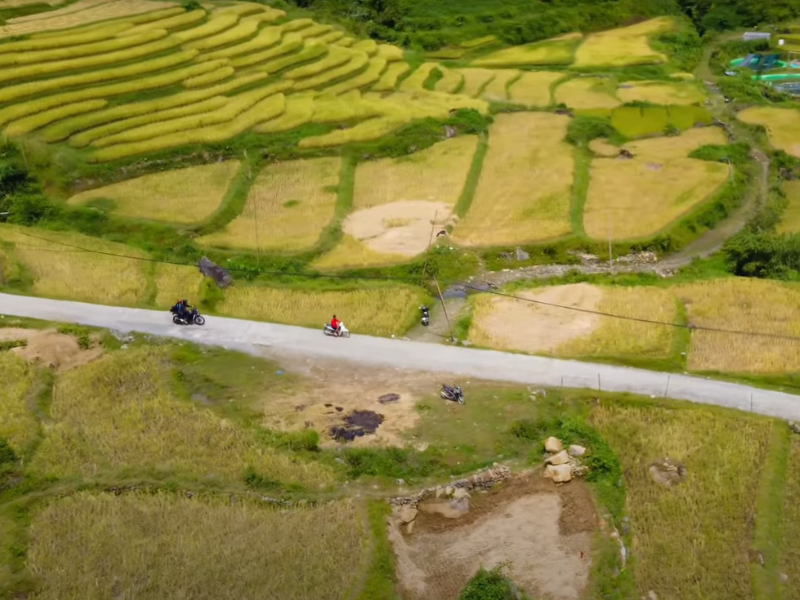
Choose your route first, because it decides how long you stay and where you sleep. This table lists eight options for a Sapa trekking tour from easiest to hardest.
| Route | Distance and time | Effort | What you will see |
|---|---|---|---|
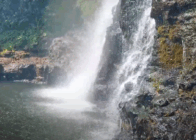
| Cat Cat Village | A short walk of one to two hours | Easy | A Black Hmong village, waterfalls and handicraft stalls |
| Ta Phin and the Red Dao villages | Half a day | Easy | Red Dao homes, caves and herbal baths |
| Y Linh Ho, Lao Chai and Ta Van | About 9 km, usually four to six hours with stops | Moderate | The classic Muong Hoa terraces and two villages |
| Ta Van to Giang Ta Chai | About three to four hours | Moderate | A quieter trail through Red Dao land |
| Cat Cat, Ta Van and Giang Ta Chai | A long day, or two days | Moderate | Three ethnic groups, markets, bamboo forest and waterfalls |
| Sa Seng and Hang Da | Half a day to a full day | Moderate | Hmong hamlets and cloud views at dawn |
| Ban Ho | A full day | Moderate | A Tay village and river scenery |
| Fansipan summit | One to two days | Hard | Indochina’s highest peak, with a cable car as an easier alternative |
The classic: Muong Hoa Valley
The trail from Sapa town through Y Linh Ho, Lao Chai and Ta Van follows the river through the most photographed terraces in Vietnam. Most trekkers arrange a pickup at Ta Van to avoid the final climb. It is the most popular Sapa trekking tour for good reason, and it is well marked, though a guide adds context.
The quieter option: Ta Van to Giang Ta Chai
This route is less crowded and passes through Red Dao territory. It suits travellers who want the terraces without the crowds, and it makes a good second day on a longer Sapa trekking tour.
The summit: Fansipan
Fansipan is a serious climb, and local guides say a registered guide and permits are required, so confirm the rules before you book. Most visitors take the cable car, which is a fine way to reach the top without a trek.
When to Go: A Sapa Trekking Tour by Month
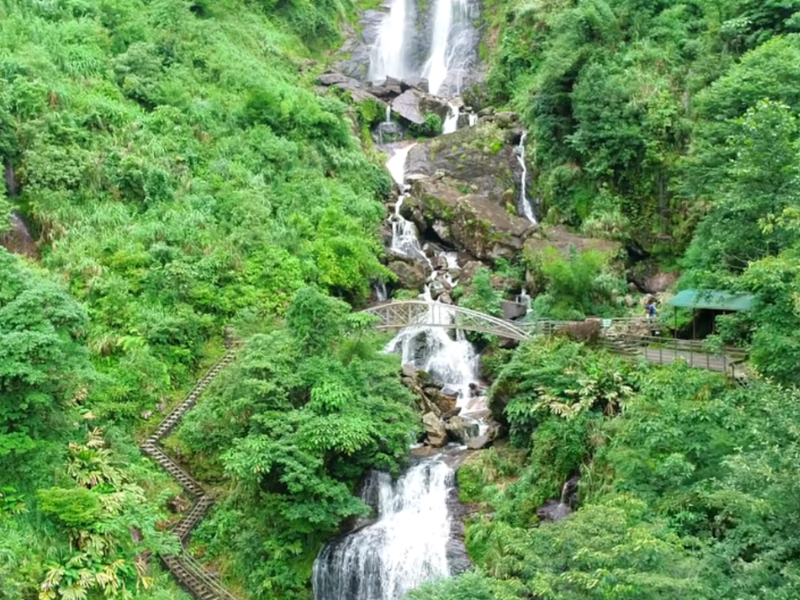
The terraces change colour through the year, so choose your month for the view you want from your Sapa trekking tour.
| Months | Terraces and weather | Notes |
|---|---|---|
| March to April | Spring blossoms and fresh green fields, mild days | Pleasant for walking, with morning mist |
| May to June | Flooded terraces that mirror the sky | One of the prettiest periods, with rain showers |
| July to August | Lush green, warm and wet | Heavy rain can cause slippery trails and landslides |
| September to early October | Golden rice ready to harvest | The most photographed season, and the busiest |
| Late October to November | Harvested fields, clear skies and cool air | Good visibility and fewer crowds |
| December to February | Cold, with frequent fog and sometimes frost | Atmospheric but limited views |
If you can choose, spring and autumn are the safest bets. See our best time to visit Vietnam guide for regional weather, and check the Vietnam hydro-meteorological forecast centre before you travel.
Getting There: From Hanoi to Your Sapa Trekking Tour
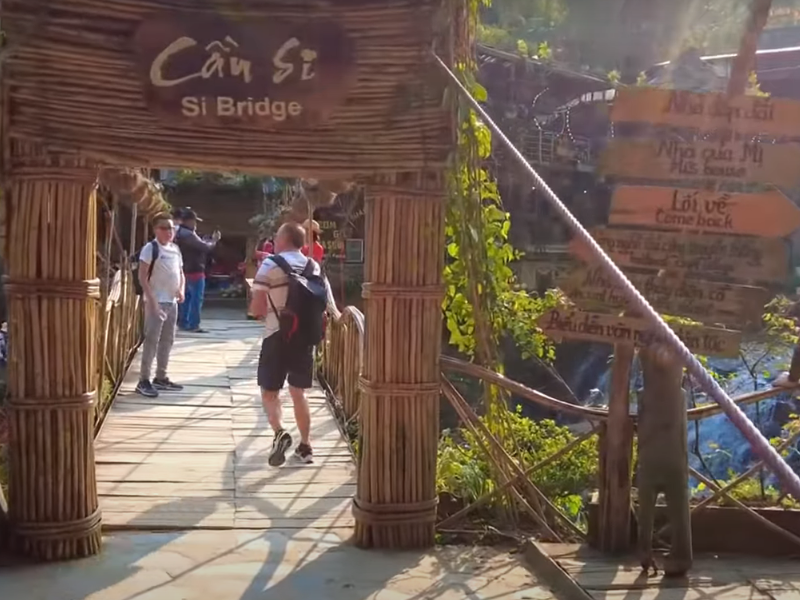
The journey is part of every Sapa trekking tour, so choose it with care.
| Option | Time | Comfort | Best for |
|---|---|---|---|
| Overnight train to Lao Cai, then a transfer | About 8 hours, plus about an hour up to Sapa | Basic to comfortable, with sleeper berths | Travellers who enjoy the experience |
| Sleeper bus or limousine van | About 5 to 6 hours | Comfortable | Budget-conscious travellers who want door-to-door service |
| Private car with a driver | About 5 to 6 hours | Most comfortable | Families and anyone with limited time |
Some travellers combine a night train one way with a car the other way, which gives both atmosphere and speed. Timings vary with traffic and schedules, so confirm them when you book. Our 14 days in Vietnam itinerary shows how to swap Ninh Binh for Sapa, and our Halong Bay Ninh Binh tour guide covers the alternative.
Where to Sleep on a Sapa Trekking Tour: Homestay or Hotel
Your bed shapes your Sapa trekking tour more than you might expect.
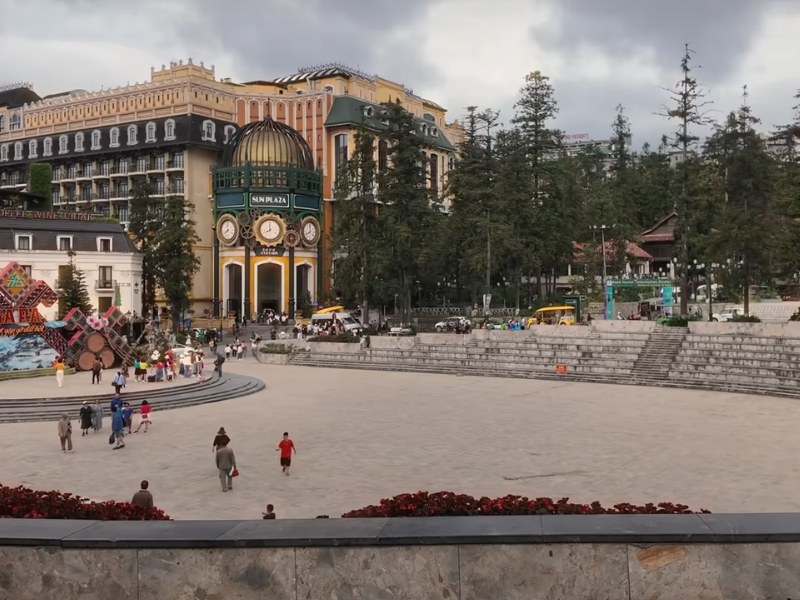
Sapa town offers hotels with hot showers, restaurants and the night market, and it is convenient for first-timers. Villages such as Lao Chai and Ta Van, about 7 to 10 kilometres from town, offer homestays with local meals, wooden houses and quiet evenings among the terraces. Backpackers may also find hostels in the villages, and more remote hamlets such as Sa Seng and Hang Da offer family stays.
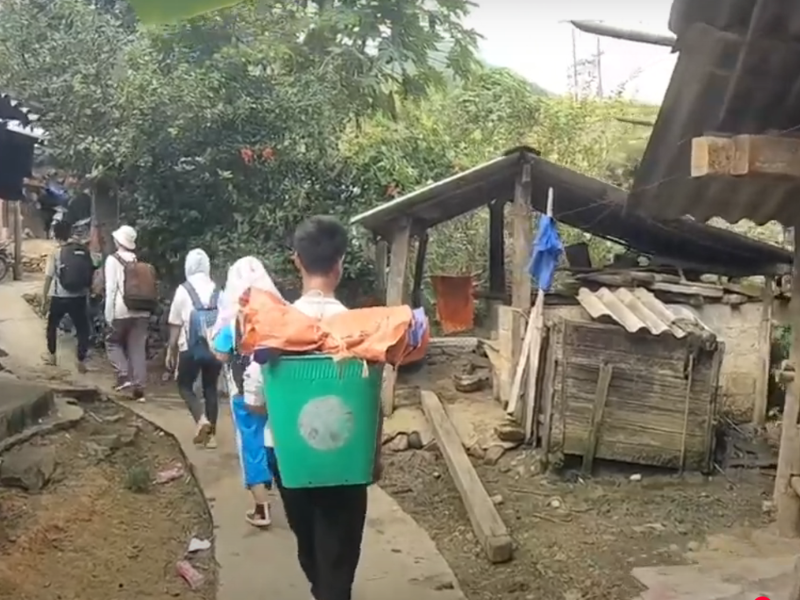
Homestays are simple. Expect shared rooms or mattresses on the floor, basic bathrooms and home-cooked dinners. In return you get a rare window into village life. Book through a reputable operator or a family you trust, ask what is included and respect the household rules.
Guided or Independent: Choosing Your Sapa Trekking Tour Style
Travellers often ask whether they need a guide, and the honest answer depends on the route.
| Route | Guide advice | Why |
|---|---|---|
| Y Linh Ho, Lao Chai and Ta Van | Optional but recommended | The trail is well marked, and a guide adds culture and context |
| Ta Van, Giang Ta Chai and Ta Phin | Recommended | Trails can be confusing |
| Fansipan summit | Required, according to local guides | Permits and safety |
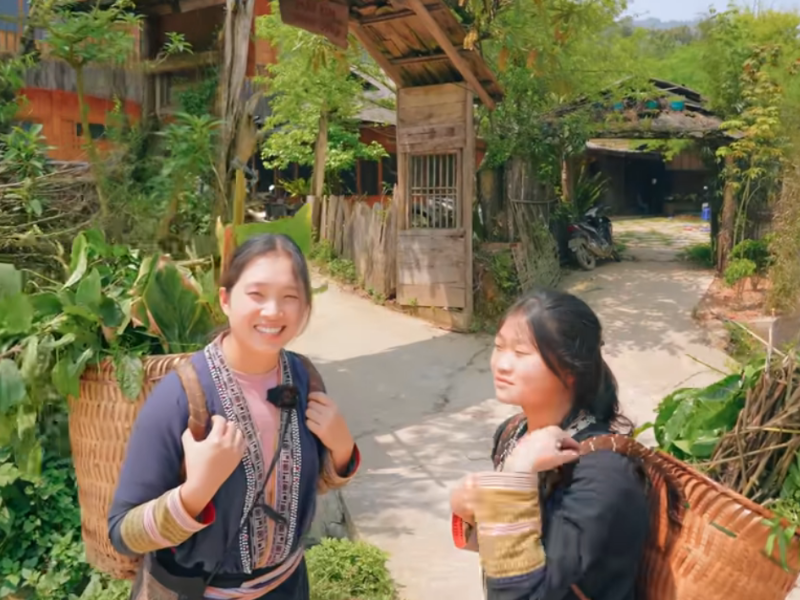
A local guide, ideally from the Hmong or Dao community, explains village life, introduces you to families and helps you read the weather. Choose licensed guides and agree the route, the price and the pickup point beforehand. For a fully managed trip with transfers and homestays, a private Sapa trekking tour is easier, and our Sapa trekking tour page explains the options.
What to Pack for a Sapa Trekking Tour
Packing well makes a Sapa trekking tour far more comfortable.
- Shoes with real grip, since trails turn slippery in rain
- A light rain poncho or jacket
- A warm layer, because nights are cool even in summer and cold in winter
- Quick-dry clothes and a spare set for the homestay
- Sun protection, a hat and insect repellent
- A small daypack, a refillable bottle and a power bank
- Cash in small notes for villages, snacks and crafts
- Offline maps and a data plan, as explained in our Vietnam eSIM guide
Our Vietnam packing list has the full kit, and our Vietnam travel insurance guide explains what cover to buy for a trek.
Trek Responsibly: Village Etiquette on a Sapa Trekking Tour
The villages you walk through are homes, so behave as a guest on any Sapa trekking tour.
- Ask before photographing people, especially children and elders.
- Do not hand out sweets or money to children, because it encourages begging.
- Buy crafts directly from the makers and pay a fair price.
- Dress modestly in villages, and cover your shoulders and knees.
- Stay on marked paths, and never walk through planted terraces.
- Carry out your rubbish.
- Support homestays and local guides, so the money stays in the community.
Safety and Weather on a Sapa Trekking Tour
Mountains demand respect, so keep these points in mind on your Sapa trekking tour.
- Heavy rain can cause slippery trails and landslides, and storms have affected the region in the past, so check forecasts and be ready to change plans.
- Fog can hide views and make trails harder to read, so start early and stay with your guide.
- Fansipan weather changes quickly, and the summit can be cold and windy.
- Walk within your fitness level, carry water and tell someone your route.
- Buy travel insurance that covers trekking and medical evacuation.
If your route also includes motorbike riding, our Ha Giang loop tour page explains the licence and safety points to check.
Sample Itineraries: Two, Three and Four Days
These plans show how to build a Sapa trekking tour around your time.
| Length | Plan | Best for |
|---|---|---|
| 2 days, 1 night | Travel from Hanoi, trek Lao Chai to Ta Van, sleep in a homestay, return the next day | Short trips |
| 3 days, 2 nights | Cat Cat and Fansipan by cable car on day one, the Muong Hoa trek on day two, a quieter route or Ta Phin on day three | First-timers |
| 4 days, 3 nights | Add Ta Van to Giang Ta Chai, a market day and a slower pace | Photographers and keen walkers |
A Sapa trekking tour fits easily into a longer route. Our guide to Vietnam tour packages shows how to combine it with Hanoi, Ninh Binh and the bay.
What a Sapa Trekking Tour Costs
Prices vary widely, so compare inclusions rather than headline numbers when you price a Sapa trekking tour. These factors move the total most:
- Group or private format
- Number of days and nights
- Homestay or hotel accommodation
- Transfers from Hanoi, which are a large share of the total
- Guide, porter and permit costs
- Season, with spring and autumn weekends in demand
Local day treks arranged on the spot cost far less than a private multi-day tour with transfers, but the private option includes planning, transport and support. Ask for a line-by-line quote, and read our guide to Vietnam tour cost for how to compare offers.
Six Mistakes to Avoid on a Sapa Trekking Tour
Most problems are avoidable, so check this list before you book your Sapa trekking tour.
- Going in the wrong season. Check the terrace calendar first.
- Staying only one night. Two nights let you trek and rest.
- Wearing poor shoes. Slippery trails punish thin soles.
- Skipping a guide on harder routes. Trails can be confusing.
- Ignoring the weather. Rain and fog change plans.
- Forgetting village manners. Ask before taking photos.
Sapa Trekking Tour FAQ
How many days do I need for a Sapa trekking tour?
Two days is the minimum, three days is ideal for first-timers and four days suits keen walkers and photographers.
What is the best time for a Sapa trekking tour?
Spring from March to May and autumn from September to November are the best seasons, with golden terraces in September and early October.
Do I need a guide for a Sapa trekking tour?
Not on the classic Lao Chai to Ta Van route, but a guide is recommended for context and for harder trails. A guide is required for the Fansipan summit, according to local guides.
Is a Sapa trekking tour suitable for beginners and families?
Yes, on the easier routes. Choose half-day walks, a car pickup at the end and a homestay with a family, and keep the pace relaxed. See our Vietnam family tour page.
How hard is the trek?
Most routes are easy to moderate, with hills and uneven paths. The Fansipan summit is hard.
Can I combine Sapa with other regions?
Yes. Sapa fits well with Hanoi, Ninh Binh and Halong Bay, and our Vietnam travel tips guide explains the practical details.
Is it safe to trek in the rainy season?
It can be, with care. Heavy rain can cause slippery trails and landslides, so check forecasts, trek with a guide and stay flexible.
Plan Your Sapa Trekking Tour
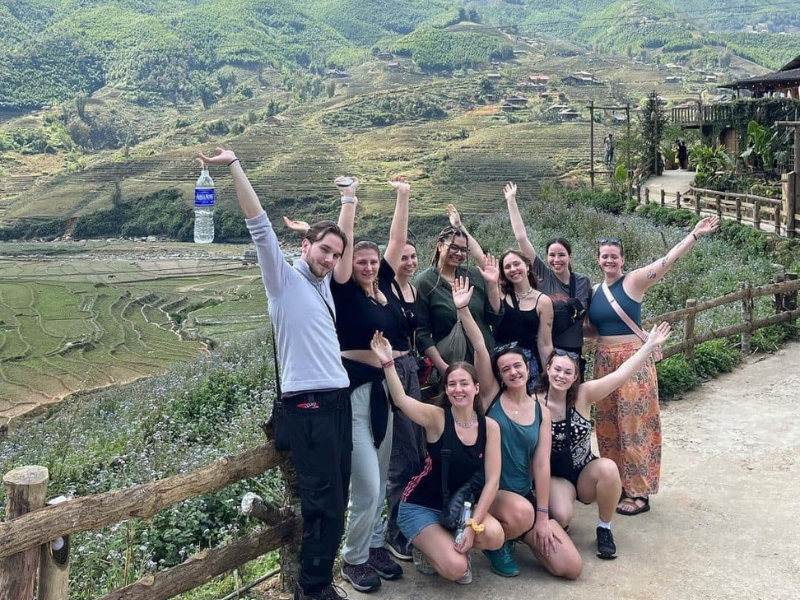
The best Sapa trekking tour is the one that matches your season, your fitness and your sense of curiosity: two days among the terraces, a night in a homestay, a good guide and time to talk with the people who live there.
Compare package types in our guide to Vietnam tour packages, choose a route from the eight above and use the packing list and etiquette advice to prepare. If you prefer a route designed around you, see our Vietnam private tour page.
Tell us when you want to travel, who is joining you and how far you like to walk, and Sao La Vietnam Tours will design an itinerary and quote. We are a Hanoi-based travel consultancy that creates private journeys across Vietnam, so contact us today to start planning your Sapa trekking tour.
The Ultimate Guide: How to Choose the Perfect Tour Company for Discovering Vietnam
Vietnam Tour Packages: 9 Stunning Itineraries for 2027 (Costs, Seasons and How to Choose)
10 Days in Vietnam: The Ultimate Editorial Route & Travel Guide