Are you searching for authentic, ethical, and immersive vietnam wildlife tours? As of April 2026, Vietnam has firmly established itself as a global leader in Sustainable Green Destinations. The outdated wildlife trips of the past have been replaced by a strict “Net-Zero & Ethical” mandate, making modern vietnam wildlife tours a benchmark for conservation travel.
The 2026 Shift: Why Vietnam Wildlife Tours Are Different Now
The transition toward regenerative travel means that booking professional vietnam wildlife tours directly contributes to habitat restoration.
The Rewilding Movement: In March 2026, Cuc Phuong National Park officially launched the nation’s first comprehensive Rewilding Action Plan. For travelers joining eco-conscious vietnam wildlife tours, your visit directly funds endangered primate rehabilitation and critical “Green Corridors.”
Smart Conservation (AI-Integrated): Modern vietnam wildlife tours utilize Non-Invasive Observation Technology. At Sao La Tours, our groups are equipped with Lidar-integrated thermal optics to view nocturnal mammals without disruptive white-light spotlights.
The “Value-to-Community” Ledger: 2026 travelers prioritize E-E-A-T. Every expert leading our vietnam wildlife tours is a certified conservationist, and tour revenues are tracked via a transparent digital ledger to prevent poaching.
The 2026 “Big Five” Explored on Our Vietnam Wildlife Tours
In the current season, we have refined our itineraries to focus on Vietnam’s Big Five through specialized vietnam wildlife tours:
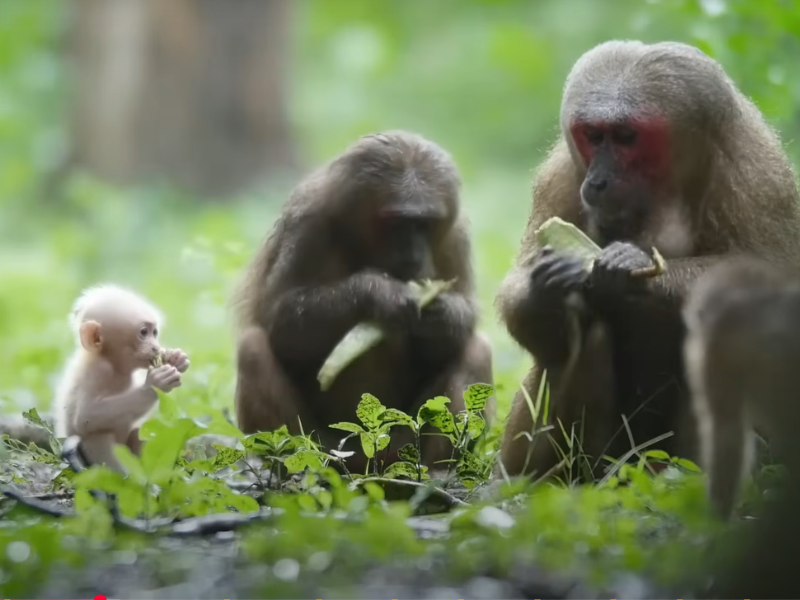
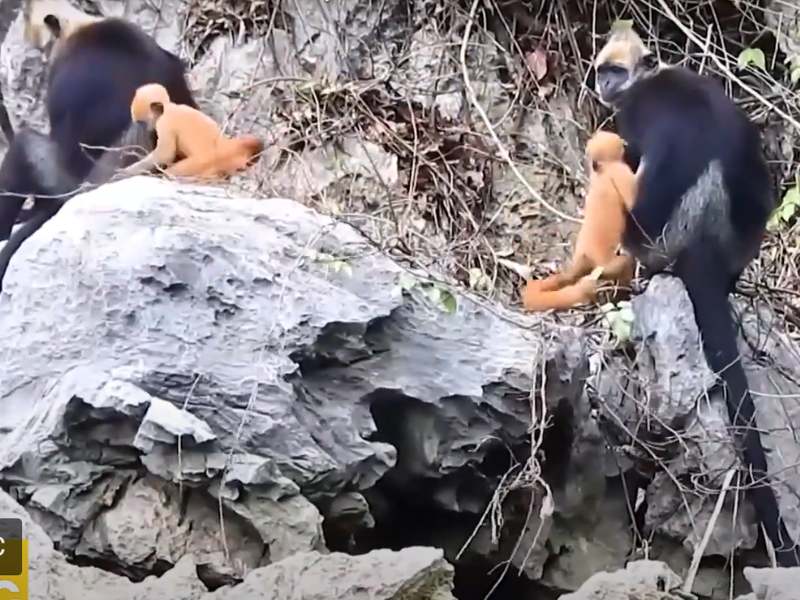
The Red-Shanked Douc Langur (Son Tra Peninsula)
Often called the “Queen of Primates,” this stunning species is the crown jewel of Central Vietnam.
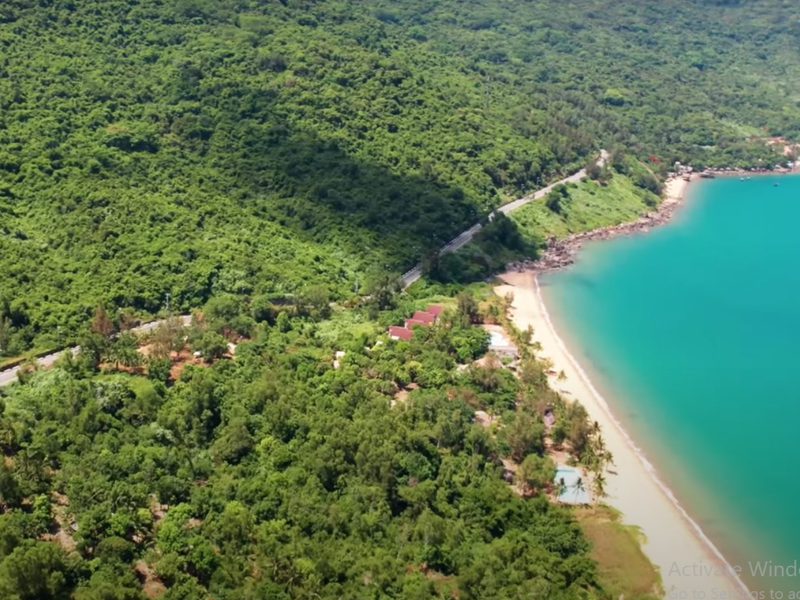
The 2026 Status & Experience: In Da Nang, our vietnam wildlife tours utilize Silent Electric Vans (EVs) and “Dawn Watch” sessions with bone-conduction headsets. Because we limit groups to 10 pax, the langurs remain calm and stress-free.
The Yellow-Cheeked Crested Gibbon (Cat Tien)
The haunting song of the Gibbon is the alarm clock of the southern jungle, a focal point of our premier vietnam wildlife tours.
The Experience: We trek deep into Evergreen corridors within “Silent Tracking Zones,” utilizing high-sensitivity microphones to hear subtle calls miles away.
The Asian Elephant & Sambar Deer
Ethical Encounters: While elephant sightings are rare, ethical vietnam wildlife tours in Yok Don focus on preparing nutritional snacks based on health data rather than riding.
The Night-Optics Revolution: During nighttime excursions included in our vietnam wildlife tours, we provide Digital Night-Vision Goggles instead of spotlights to observe Sambar Deer and civets naturally.
The Sambar Deer (The Nocturnal King)
The most frequently seen large mammal, yet no less impressive.
The 2026 Status: The Cat Tien Night Safari has been completely overhauled.
The Night-Optics Revolution: In 2026, Sao La has eliminated traditional spotlights. We provide each guest with Digital Night-Vision Goggles. You will see the Sambar Deer, Civets, and Porcupines glowing in the dark forest, behaving naturally as if no humans were there. It is an eerie, beautiful, and deeply ethical way to experience the nocturnal pulse of the park.
The Siamese Fireback & Rare Birds (The Colorful North)
For birders, 2026 is a “Golden Year.” The Cuc Phuong rewilding has seen a surge in rare avian sightings.
The Experience: We focus on the “Dawn Chorus” treks. With the help of AI-Bird Song Identification apps, travelers can instantly identify the rare calls of the Siamese Fireback or the White-collared Crane, turning a hike into a high-tech treasure hunt for biodiversity.
Top Destination Focus: The 2026 Leaders
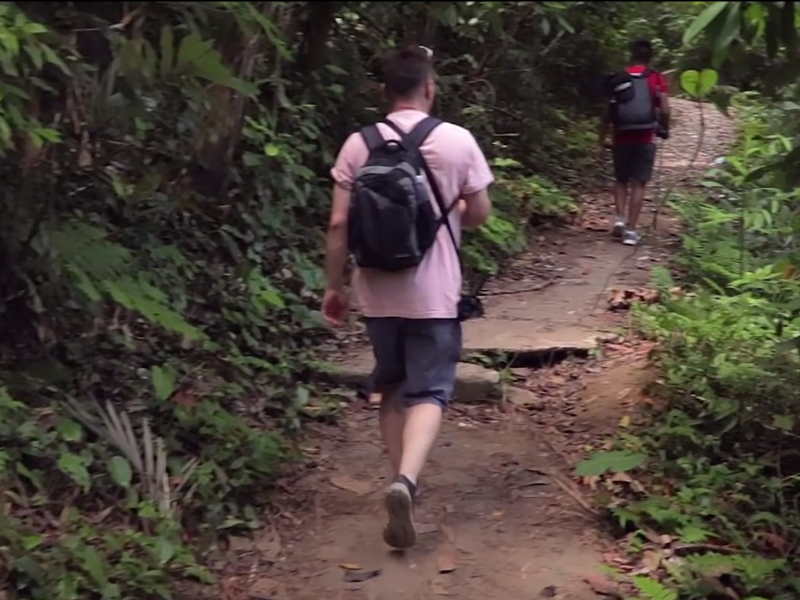
While the 2022 list mentioned 10 spots, we have narrowed our 2026 focus to the “High-Impact Three” where infrastructure and conservation meet.
Cat Tien (The Southern Gateway): Best for overnight immersion and nocturnal sightings. In 2026, the park center features 5G-enabled Smart Visitor Centers that provide real-time data on animal sightings and conservation progress.
Phong Nha – Ke Bang (The Underground Frontier): Not just for caves anymore. 2026 has seen the opening of Primary Forest Sky-Walks—elevated boardwalks that allow you to observe the forest canopy (and its inhabitants) without disturbing the soil or undergrowth.
Cuc Phuong (The Rewilding Hub): The oldest park is now the most modern. Visit the Endangered Primate Rescue Center, which in 2026 features interactive VR education pods, before heading into the forest to see the rewilding efforts in person.
River Safari 2.0: Comparing the “Wild” vs. the “Managed”
By April 2026, the “River Safari” concept has split into two distinct paths: the high-access Boutique Conservation Park and the Deep-Wild Mekong Expedition.
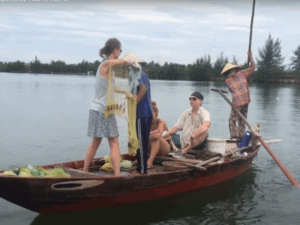
The Boutique Experience (River Safari South Hoi An): This remains the premier choice for families and those with limited time. As of 2026, the park has integrated Silent Solar-Electric Barges. You glide past habitats for giraffes, lions, and rhinos without the drone of a diesel engine.
The 2026 Advantage: The park now features “Digital Education Nodes.” As your boat passes a habitat, your smartphone (synced to the boat’s ultra-low-latency 5G) provides an AR overlay of that animal’s conservation status and its role in the global ecosystem. It is a “Managed Wild” that prioritizes safety and education.
The Deep-Wild Mekong (The Authentic Alternative): For our Sao La Small Groups, we favor the Tram Chim National Park and the U Minh Thuong biosphere.
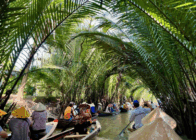
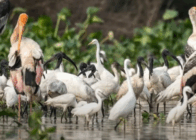
The Experience: We utilize Electric Sampans to navigate the melaleuca forests. In 2026, the focus is on “Bird-Symphony” tours. We use high-fidelity parabolic microphones that transmit the sounds of the Sarus Crane and the White-winged Duck directly into your bone-conduction headphones. You aren’t just looking at the swamp; you are eavesdropping on the secret life of the delta.
The 2026 Gear Guide: “Invisible” and “Impact-Free”
The 2026 explorer knows that their presence should leave no trace—mechanically or visually. Our wildlife tours now recommend the following Bio-Synthetic standards:
Bio-Synthetic Camouflage (Beyond Recycling): 2022 was about recycled plastic; 2026 is about Lab-Grown Bio-Synthetics. We recommend apparel made from sugar-cane polyamides or mycelium membranes. These fabrics offer Kinetic Adaptability—they open their pores when you are trekking through the humid humidity of Bach Ma and constrict to trap heat when the temperature drops in the Sapa highlands.
PFAS-Free “Durable Water Repellency” (DWR): In compliance with the 2026 Global Standard of Excellence, all Sao La recommended gear is free of “forever chemicals.” We utilize plant-based wax infusions that provide heavy-duty waterproofing for the August rains without poisoning the forest soil.
Digital Circularity: Every piece of gear we provide our guests—from UV-repellent hats to tech-dry shirts—carries an NFC Tag. You can scan the tag to see its entire supply chain and, more importantly, its repair history, ensuring you are part of a truly circular economy.
Non-Invasive Lighting: As mentioned in Part 1, we have banned white-light spotlights for nocturnal tours. We provide Night-Vision Goggles (Standard ISO 3021:2023) that allow you to see the “Red-Shanked Doucs” or “Sambar Deer” in total darkness, ensuring their circadian rhythms remain undisturbed.
Regenerative Culinary: Foraging with the Highlands
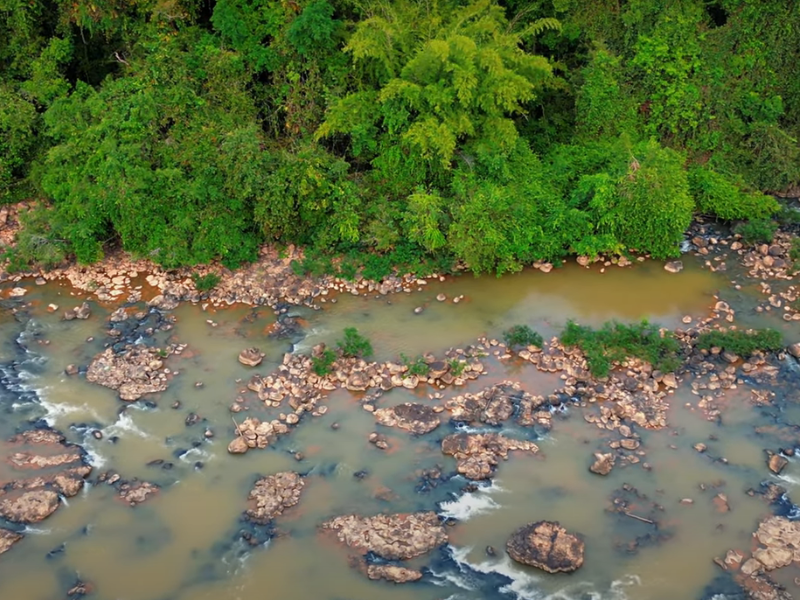
Wildlife tourism in 2026 is incomplete without understanding the relationship between the people and the forest. We have moved from “Observation” to “Regenerative Participation.”
Ethnic Ethnobotany Tours (Ba Be & Cuc Phuong): Our small groups trek with H’Mong or Muong elders who are certified “Forest Guardians.”
The 2026 Twist: This isn’t just about finding food; it’s about “Regenerative Foraging.” We only harvest plants that are in surplus, and for every wild ginger or herb we pick, we participate in a “Seed-Dispersal” ritual, helping the forest regenerate as we walk.
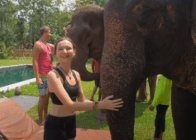
The Ethical Elephant Table (Yok Don & Dak Lak): In 2026, Vietnam has moved entirely away from elephant riding. In Yok Don, our groups participate in “Elephant Lunch Boxes.” We spend the morning preparing nutrient-rich snacks for the park’s semi-wild elephants based on their health data monitored by the Smart-Collar system. You watch them eat from a safe, respectful distance, knowing your presence has contributed to their caloric and medicinal needs.
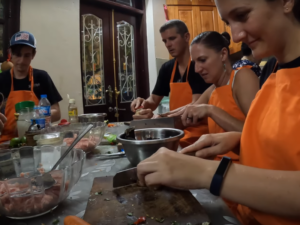
Sustainable Highland Cuisine: At our partner eco-lodges, we emphasize “Zero-Kilometer” dining. The 2026 menu features Lab-Grown Cultivated Meats or strictly certified organic local poultry, ensuring that no “Bush Meat” (wild-caught game) enters the supply chain. This is a hard-line policy that protects the very animals we came to see.
The 2026 Ethics Checklist: The “Invisible Operator” Protocol
Every traveler joining a Sao La Wildlife Tour in 2026 adheres to the TCVN 14602:2026 National Standard for adventure and nature tourism:
The “No-Touch” Mandate: Interaction is 100% visual. We do not feed, pet, or “pose” with wild animals.
Sound Decibel Limits: Our groups use “Silent Signaling.” We communicate via localized mesh-network headsets to keep the decibel levels in the forest at near-zero.
Macro-Trash Management: We don’t just “carry out what we carry in”; we perform “Reverse-Littering.” Every group dedicates 15 minutes a day to a “Forest Clean” session, removing micro-plastics left by past generations of tourists.
Carbon-Transparent Transit: Your travel between Van Long and Cuc Phuong is tracked. Every kilometer in our Luxury EVs is offset by a direct donation to the Vietnam Mangrove Restoration Fund.
The 14-Day “Emerald Loop” (2026 Master Itinerary)
For the true enthusiast, 2026 offers a connected infrastructure that makes a North-to-South wildlife odyssey both efficient and exhilarating.
Days 1–4: The Northern Primate & Butterfly Bloom (Cuc Phuong & Van Long)
Activity: Night-vision treks in Cuc Phuong and sunset rowing in Van Long.
2026 Edge: Timing your visit for the April Butterfly Bloom, where billions of colorful wings create a surreal atmosphere. We utilize EV-Shuttles to move between the primate rescue centers and the primary forest trails.
Days 5–9: The Underground Wild (Phong Nha-Ke Bang)
Activity: Jungle trekking to the Kong Sinkhole and Lidar-guided cave exploration.
2026 Edge: Using Sky-Walk boardwalks to view the canopy life of the Hatinh Langur without touching the forest floor. Stay in Smart-Tents with built-in 5G mesh and localized climate control.
Days 10–14: The Tropical Pulse (Cat Tien & Can Gio)
Activity: Gibbon-spotting at dawn and crocodile conservation in the mangroves.
2026 Edge: Participating in the “Silent Night Safari” using digital optics. We conclude the loop with a high-speed hydrofoil trip to the Can Gio biosphere to observe the successful reforestation of the mangrove giants.
Comparative Selection: Matching Your Wildlife Profile
In 2026, we don’t believe in “one size fits all.” Use this matrix to select the sanctuary that aligns with your specific interests:
| Destination | Best For… | Wildlife Highlight | Tech-Level | Difficulty |
| Cuc Phuong | Researchers & Families | Primates & Butterflies | High (VR Pods) | Easy-Moderate |
| Cat Tien | Nocturnal Enthusiasts | Sambar Deer & Gibbons | Ultra-High (Night-Optics) | Moderate |
| Phong Nha | Adrenaline Seekers | Hatinh Langur & Caves | Ultra-High (Lidar/GPS) | Hard |
| Son Tra | Photographers | Red-Shanked Douc | Moderate (EV-Vans) | Easy |
| Van Long | Scenic/Slow Travel | Delacour’s Langur | Low (Manual Rowing) | Very Easy |
2026 Traveler Feedback: Voices from the Wild
What does a Sao La wildlife journey feel like in the current April season?
“I’ve seen wildlife all over the world, but the 2026 Cuc Phuong night tour was different. Using the digital night-vision goggles felt like being a part of the forest rather than an intruder. No bright lights, no noise—just the flying squirrels and the rustle of the leaves. It was hauntingly beautiful.”
— Dr. Aris V., Netherlands (Researcher Group, April 2026)
“The Lidar helmets in Phong Nha are a must. They highlighted geological features and hidden paths I would have completely missed. Plus, knowing our tour fee directly funded the Mekong Mangrove Project made the whole experience feel meaningful.”
— Linda S., Canada (Eco-Adventure Group, March 2026)
FAQ: Navigating the 2026 Wilderness
Q: Is it safe to trek during the monsoon transition (April/May)?
A: Yes, but agility is key. In 2026, we use Real-Time Weather Micro-Sensing. If our sensors detect a heavy rain cell approaching a specific valley in Bach Ma, we reroute the group to a safer “Rain-Shadow” zone. Always carry the PFAS-free bio-synthetic rain gear we provide.
Q: Are leeches still a problem in the 2026 jungle?
A: They are part of the ecosystem, but manageable. We provide NFC-tracked “Leech Socks” treated with plant-based, non-toxic repellents. If you do get a “hitchhiker,” our guides use localized peppermint-oil sprays that encourage them to drop off safely without harm to the animal or your skin.
Q: Can I use my phone for 5G in the deep forest?
A: Most of our 2026 “Emerald Loop” destinations feature Private 5G Slicing at base camps. However, we encourage “Digital Hibernation” during treks. Your phone is best used for our AI-Bird Song ID app rather than emails!
Q: Do I need special permits for national parks?
A: As of 2026, all permits are handled via Contactless E-Ticketing. When you book with Sao La, your digital ID is pre-registered with the forest rangers, allowing for a seamless entry with a simple biometric scan or QR code at the park gate.
Conclusion: Book Your Vietnam Wildlife Tours Today
Our three-part journey has painted a definitive picture of Vietnam’s wildlife tourism in 2026: It is no longer about consumption; it is about contribution. We have traveled from the ancient primary forests of Cuc Phuong, through the majestic subterranean systems of Phong Nha, to the lush, life-giving waterways of the Mekong Delta.
The distinction of the 2026 era lies not just in the rare species you encounter, but in how you encounter them:
Invisible Technology: Utilizing digital night-vision and high-fidelity acoustics to observe wildlife without disruption.
Green Infrastructure: Moving via luxury EV fleets and staying in Net-Zero Smart-Stays that breathe with the environment.
Positive Impact: Ensuring every step supports rewilding efforts and provides sustainable livelihoods for indigenous communities.
Wildlife travel is now the perfect intersection of Artificial Intelligence and Natural Instinct—a place where humans reconnect with the Earth while leaving a zero-footprint legacy.
Are you ready to become an “Ambassador of the Wild”?
The future of nature travel is regenerative. By booking professional vietnam wildlife tours, you ensure invisible technology, green infrastructure, and positive community impact combine into an unforgettable journey.
Are you ready to become an “Ambassador of the Wild”? Choose your journey today on our flagship vietnam wildlife tours:
Choose your journey today:
Book the 14-Day “Emerald Loop”: Experience the full spectrum of Vietnam’s biodiversity from North to South. Enjoy a 15% Early-Bird discount for small groups booked 30 days in advance.
Download the “2026 Wildlife Digital Guide”: Get instant access to rare species sighting maps and the essential Bio-synthetic gear checklist.
Consult with an “Experience Architect”: Let us design a bespoke, “Invisible Footprint” itinerary tailored specifically to your interests and pace.
Button: BOOK YOUR ADVENTURE NOW Our Commitment: 100% of tour revenue is transparently tracked via digital ledger for local conservation projects.
Sao La Tours – Leading the Regenerative Travel Revolution in Vietnam. Hotline: 84 988 488 566 | Email: [email protected] | Website: Saolatours.com