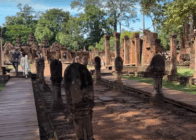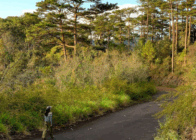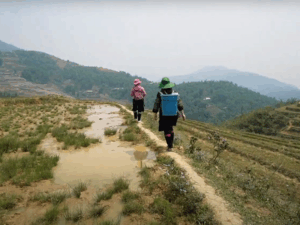

A Ha Giang loop tour takes you along some of the most dramatic roads in Vietnam: limestone peaks that stretch to the horizon, passes cut into cliffs, Hmong villages tucked into corn terraces and a border so close that the flag of Vietnam flies at its northernmost point. It is also one of the most demanding trips in the country, and 2026 brought real changes to the rules. After the death of a young British tourist on an easy-rider tour in April, authorities tightened safety checks, and new permit and licence checks are now common.
This guide is written to help you plan a Ha Giang loop tour well and safely. It is organised as seven essentials: what changed in 2026, how to choose between riding yourself, using an easy rider or travelling by car, which licence and permits you need, when to go, how to plan the route, how to choose an operator, and what to pack and pay. It does not promise a risk-free ride, because no honest guide can. It aims to help you choose the safest version of an unforgettable trip.
A Ha Giang loop tour is a popular add-on to a northern route, and it supports our main guide to Vietnam tour packages. If you prefer a route designed around you, with a driver and a guide, see our Vietnam private tour page.
Essential 1: What Changed for a Ha Giang Loop Tour in 2026
If you read a guide from two years ago, parts of it are out of date. These are the main changes to know before you plan a Ha Giang loop tour.
| Change | What it means | What to do |
|---|---|---|
| Province merger | Ha Giang province merged into Tuyen Quang on 1 July 2025, but the town, the loop and the passes are where they always were | Expect new administrative names in news and signs |
| Safety crackdown | After the fatal accident in April 2026, Tuyen Quang authorities tightened rules for motorbike tours and stepped up checks | Choose operators that follow the rules |
| Border permit | Reports say that from 1 June 2026, foreign visitors entering certain border districts need an entry permit, at about 250,000 dong, or around US$10, per person | Ask your operator to arrange it, and confirm the current rule |
| Licence checks | Police checkpoints are common near Yen Minh, Dong Van and Quan Ba | Carry the right licence, or do not ride |
Rules at the border can change quickly, so check the current position with your operator and the Vietnam Tourism official website before you travel. Treat every figure in this guide as a guide, not a guarantee.
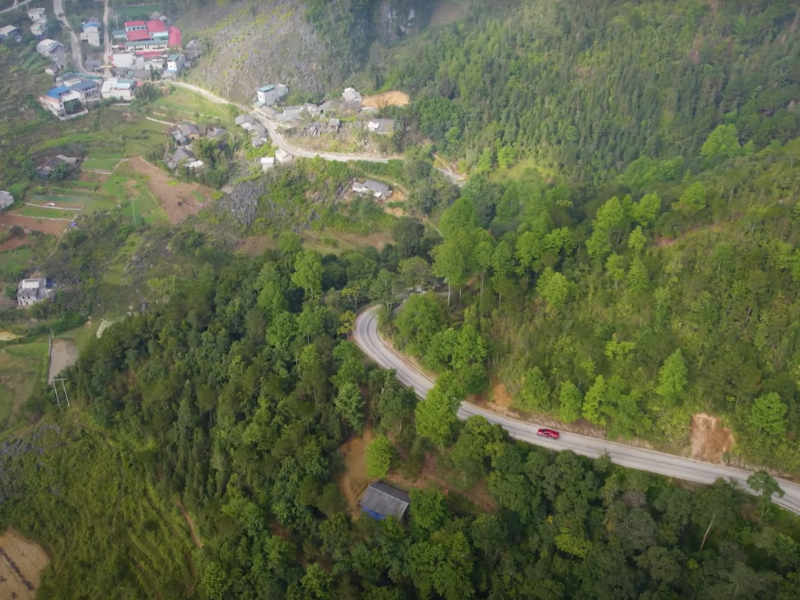
Essential 2: Choose How to Ride Your Ha Giang Loop Tour
There are three ways to do a Ha Giang loop tour, and the right choice depends on your experience and your tolerance for risk.
| Option | How it works | Best for | Main drawback |
|---|---|---|---|
| Ride yourself | You rent a motorbike and ride the loop | Experienced riders with the correct licence | Steep passes, fog, traffic and a licence requirement, with no insurance cover if you are unlicensed |
| Easy rider | A local driver rides while you sit as a passenger | Travellers who want the motorbike experience without riding | Quality and safety vary by driver, so choose carefully |
| Car or jeep with a driver | You travel in a vehicle with a driver and a guide | Families, seniors, nervous riders and wet-season trips | Less of the open-air feel |
Beginners should not self-ride a loop that has steep switchbacks and sudden fog as a first motorbike experience. For many travellers, a car or jeep gives the same landscapes with far less risk. Some operators run private vehicles with stops at the same viewpoints, which suits families and older travellers. Whatever you choose, a Ha Giang loop tour should match your honest ability, not your ambition.
Essential 3: Check Licences and Permits Before a Ha Giang Loop Tour
The paperwork is where many visitors go wrong, so take this part of your Ha Giang loop tour seriously.
- Licence: Vietnam requires a Vietnamese motorbike licence, or an International Driving Permit issued under the 1968 Vienna Convention, together with a valid motorbike licence from your home country. Permits issued under the 1949 convention are not valid, and Smartraveller says Australian licences and Australian-issued permits are not accepted.
- Insurance: travel insurance may not cover you if you ride without the right licence, so read the clause carefully. See our Vietnam travel insurance guide.
- Fines: guides report fines of about 4 to 5 million dong, plus confiscation of the bike, for riding unlicensed at checkpoints.
- Border permit: carry a passport and a copy, because checkpoints and homestays ask for them, and ask your operator to arrange the border entry permit if it applies.
- Conservation fee: one 2026 guide reports a small nightly fee, about 30,000 dong per adult, for staying within the Dong Van plateau area.
- Passengers: you do not need a licence to ride as a passenger, but you should still check your insurance covers motorbike passengers.
If you do not have the right paperwork, choose an easy rider or a car. Read the Smartraveller Vietnam travel advice or the FCDO Vietnam travel advice for your country’s current guidance. The simplest rule for any Ha Giang loop tour is that if you cannot ride legally, you should not ride.

Essential 4: Pick the Right Season for a Ha Giang Loop Tour
Weather shapes the road as much as the scenery, so match your Ha Giang loop tour to the calendar.
| Months | Scenery | Riding conditions |
|---|---|---|
| February to April | Spring blossoms and fresh green hills | Mild, with morning mist |
| May to June | Green terraces and flooded fields | Warm, with showers |
| July to August | Lush green | Heavy rain, slippery roads and a landslide risk, so choose a car or avoid it |
| September to early October | Golden rice fields | Clearer skies, and the busiest period |
| October to December | Buckwheat flowers and harvested fields, with November often the peak | Cool and clear, and cold at altitude |
| December to February | Bare fields and frequent fog | Cold, with limited views, and not ideal for beginners |
Our best time to visit Vietnam guide explains regional weather, and the Vietnam hydro-meteorological forecast centre posts storm warnings. Avoid riding in fog or heavy rain, and be ready to change your plans.
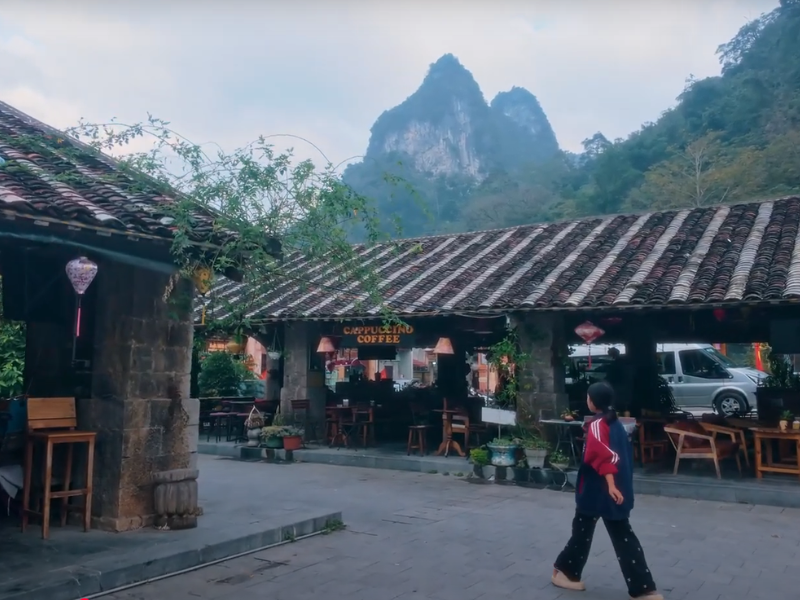
Essential 5: Plan the Route for Your Ha Giang Loop Tour
The classic loop is about 350 to 370 kilometres and takes three to four days. Most operators run it counter-clockwise: Ha Giang City, Quan Ba, Yen Minh, Dong Van, Meo Vac, Du Gia and back. This table shows a typical four-day plan.
| Day | Route | Highlights |
|---|---|---|
| 1 | Ha Giang City to Yen Minh | Quan Ba Heaven’s Gate, the Twin Mountains and first karst views |
| 2 | Yen Minh to Dong Van | Lung Cu Flag Tower, the Hmong King’s Palace and the Dong Van Old Quarter |
| 3 | Dong Van to Meo Vac | Ma Pi Leng Pass, a boat trip on the Nho Que River and the town of Meo Vac |
| 4 | Meo Vac to Du Gia and back to Ha Giang City | Valley scenery and village life |
The Dong Van Karst Plateau is a UNESCO Global Geopark, and it is the heart of every Ha Giang loop tour. Lung Cu marks the northernmost point, Ma Pi Leng is the most photographed pass, and markets in Dong Van and Meo Vac are usually busiest on Sundays. Three days is the minimum, and four days is more relaxed and safer, because it reduces long riding hours. Getting to Ha Giang City from Hanoi takes about six to seven hours by road, so most travellers add a day at each end. Our 14 days in Vietnam itinerary shows how to fit it into a wider route, and our Sapa trekking tour guide is the gentler northern alternative.

Essential 6: Choose an Operator Carefully for a Ha Giang Loop Tour
The operator decides much of your safety, so ask these questions before you book a Ha Giang loop tour.
- Are the drivers licensed and trained, and can you see proof?
- Are helmets good quality and provided in all sizes?
- How are motorbikes maintained and checked?
- How many hours a day do you ride, and do you ever ride at night?
- What is your plan for fog, heavy rain or landslides?
- Is there a first-aid kit and a clear accident procedure?
- What is the group size, and is there a lead guide and a support vehicle?
- Do you arrange the border permit and follow the new local rules?
- What insurance do you carry, and what do you advise me to buy?
- Can I see recent, verifiable reviews on independent platforms?
Walk away from any operator that avoids these questions, offers a price far below others or encourages drinking and fast riding. A Ha Giang loop tour is only as safe as the people running it. Our guide to the best Vietnam tour operators explains how to check the answers.
Essential 7: Pack, Pay and Prepare for a Ha Giang Loop Tour
A little preparation makes a Ha Giang loop tour more comfortable and safer.
- Layers, because it can be warm in the valleys and cold on the passes
- A rain jacket, gloves in winter, sturdy shoes and a spare set of dry clothes
- Sun protection, a refillable bottle and basic medicines, since pharmacies on the loop are limited
- Your passport and a copy, travel insurance details and small notes in dong, because ATMs outside Ha Giang City and Dong Van are scarce
- Offline maps and a data plan, as explained in our Vietnam eSIM guide
Our Vietnam packing list has the full kit. On cost, prices vary widely by format, and a car or jeep tour usually costs more than a shared motorbike trip, so compare inclusions rather than headlines. See our guide to Vietnam tour cost for how to compare quotes fairly.

Five Mistakes to Avoid on a Ha Giang Loop Tour
Most serious problems are avoidable, so check this list before you book your Ha Giang loop tour.
- Self-riding without the right licence. It risks fines, bike confiscation and void insurance.
- Choosing the cheapest operator. Rock-bottom prices often mean weaker safety.
- Riding in fog or heavy rain. Postpone or take a car.
- Doing it in two days. Short trips mean long, tiring riding hours.
- Skipping insurance. Check that it covers motorbike riding and passengers.
Ha Giang Loop Tour FAQ
Is a Ha Giang loop tour safe?
It can be safer with an experienced driver, good equipment and sensible weather decisions, but it remains a demanding mountain route with real risks. Accidents have happened, so choose carefully.
Can I ride the Ha Giang loop myself?
Only if you hold the correct licence, meaning a Vietnamese licence or the right international permit plus a home licence, and you have real riding experience. Otherwise, choose an easy rider or a car.
How many days does a Ha Giang loop tour take?
Three days is the minimum and four days is more comfortable. Add a day at each end for the journey from Hanoi.
What is the best time for a Ha Giang loop tour?
The best months are September to early October for golden terraces and October to December for buckwheat flowers. Avoid July and August, when heavy rain makes roads risky.
Do I need a permit for a Ha Giang loop tour?
Reports say a border area entry permit is needed for some districts from June 2026, and checkpoints are active. Ask your operator to confirm the current rule and arrange it.
Is a Ha Giang loop tour suitable for children and older travellers?
A car or jeep tour with a driver is a better fit than a motorbike. See our Vietnam travel tips for general advice.
Is there an alternative to the loop?
Yes. The Sapa trekking routes and the caves of Phong Nha offer mountain and nature experiences with less road risk. See our Phong Nha cave tours page.
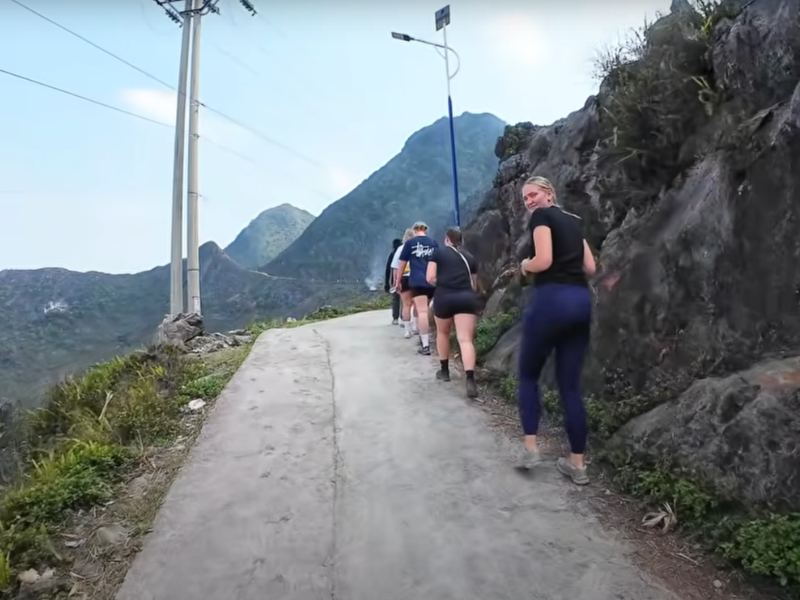
Plan Your Ha Giang Loop Tour With Care
The best Ha Giang loop tour is not the fastest or the cheapest. It is the one that matches your experience, your season and your risk tolerance, run by people who put safety first.
Compare package types in our guide to Vietnam tour packages, choose how you want to ride and use the ten operator questions to check your options. If you prefer a route designed around you, see our Vietnam private tour page.
Tell us when you want to travel, who is joining you and how you feel about riding, and Sao La Vietnam Tours will suggest a safer way to see the far north. We are a Hanoi-based travel consultancy that creates private journeys across Vietnam, so contact us today to plan your Ha Giang loop tour.