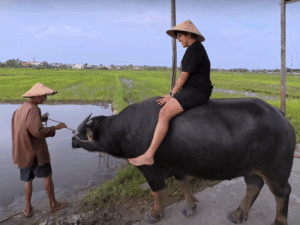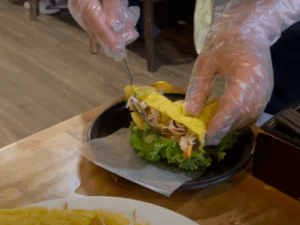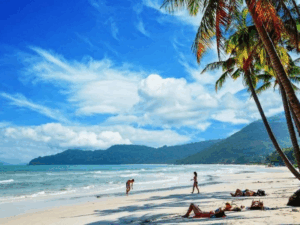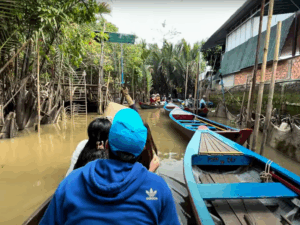
Planning your first trip to Vietnam? This guide covers essential Vietnam travel tips, including visa requirements, currency exchange, transportation options, cultural etiquette, and safety advice. Learn how to get a Vietnam visa, manage Vietnamese Dong (VND), use Grab, buses, and motorbikes, and respect local customs. Whether you’re exploring Hanoi, Ho Chi Minh City, or Halong Bay, these Vietnam travel tips will help you have a smooth and unforgettable experience!
Vietnam is an incredible travel destination that offers breathtaking landscapes, rich history, delicious cuisine, and a vibrant culture. Whether you’re exploring the bustling streets of Hanoi and Ho Chi Minh City, cruising through Halong Bay, or relaxing on the pristine beaches of Phu Quoc, Vietnam has something for every traveler.
If it’s your first time in Vietnam, knowing some essential travel tips can help you have a smooth and enjoyable experience. visa requirements to transportation options and local etiquette, this guide covers everything you need to know before embarking on your journey to Vietnam.
1. Visa Requirements for Vietnam
✔ Most tourists need a Vietnam visa, which can be obtained online (e-visa) or on arrival.
Before traveling to Vietnam, it’s important to check the visa requirements based on your nationality. While some countries enjoy a visa exemption for short stays, most travelers will need a Vietnam visa to enter the country.
Types of Vietnam Visas:
- Visa: Available for travelers 80+ countries, this is the easiest option. You can apply online via the official government website, and approval usually takes 3–5 business days. The e-visa allows single entry for up to 30 days.
- Visa on Arrival (VOA): Requires a pre-approved letter a travel agency before you arrive in Vietnam. You’ll need to show the approval letter at the airport and pay a stamping fee upon arrival.
- Visa Exemption: Citizens some countries, such as Japan, South Korea, and many European nations, can enter Vietnam visa-free for a limited time (usually 15–30 days).
Travel Tip: Always check the latest visa policies before your trip, as regulations may change.
2. Currency and Money Matters
✔ Vietnamese Dong (VND) is the official currency.
Vietnam uses the Vietnamese Dong (VND) as its official currency. While some tourist areas accept USD, it’s always best to carry Vietnamese Dong for daily expenses.
Key Money Tips:
- Cash is king. While credit cards are accepted in high-end restaurants and hotels, many street vendors and local markets only accept cash.
- ATMs are widely available. Withdraw Vietnamese Dong ATMs, but be aware of transaction fees. Vietcombank, BIDV, and Techcombank are popular choices for foreign withdrawals.
- Exchange money at banks or official currency exchange centers. Avoid exchanging money at the airport, as rates are often less favorable.
Travel Tip: Always carry small bills (10,000–50,000 VND) for taxis, local food stalls, and street vendors, as they may not have change for large denominations.
3. Transportation in Vietnam
✔ Grab, buses, and motorbike rentals are common for getting around.
Vietnam has a variety of transportation options, depending on where you are traveling.
Getting Around Cities:
- Grab: The most convenient ride-hailing app for taxis and motorbike rides in cities like Hanoi, Da Nang, and Ho Chi Minh City.
- Taxis: Use reputable companies like Mai Linh or Vinasun to avoid scams. Always insist on using the meter.
- Cyclo: Traditional cycle rickshaws, ideal for exploring the Old Quarter in Hanoi.
Traveling Between Cities:
- Domestic Flights: Vietnam has many low-cost airlines (Vietnam Airlines, VietJet Air, Bamboo Airways) connecting major cities.
- Trains: A scenic option, especially the Reunification Express Hanoi to Ho Chi Minh City.
- Buses: Sleeper buses are popular for budget travelers but can be uncomfortable for long journeys.
- Motorbike Rentals: Ideal for adventurous travelers. Always wear a helmet, carry an international driving permit, and check local traffic laws.
Travel Tip: If renting a motorbike, be aware that traffic in Vietnam can be chaotic, and road conditions vary.
4. Cultural Etiquette in Vietnam
✔ Dress modestly at temples, remove shoes before entering houses.
Vietnamese people are warm and welcoming, but it’s important to respect local customs to have a pleasant experience.
Do’s and Don’ts in Vietnam:
✅ Do:
- Dress modestly when visiting temples and pagodas. Wear long pants and cover your shoulders.
- Remove your shoes before entering someone’s home or religious sites.
- Greet people with a slight bow or nod. A handshake is acceptable but less common among older generations.
- Use both hands when giving or receiving items. This shows respect.
- Learn a few basic Vietnamese phrases. Even a simple “Xin chào” (hello) or “Cảm ơn” (thank you) is appreciated.
❌ Don’t:
- Point at people with your finger or feet. It is considered rude.
- Touch someone’s head. The head is considered sacred in Vietnamese culture.
- Raise your voice in public. Keeping calm and polite is highly valued.
- Take photos of people without permission. Especially in rural areas or ethnic minority communities.
Travel Tip: When bargaining at markets, do it politely with a smile. Aggressive haggling can be seen as disrespectful.
5. Safety and Health Tips
Vietnam is generally a safe country for tourists, but it’s always good to be prepared.
Safety Tips:
- Beware of scams. Common scams include overcharging taxis, fake tour agencies, and street vendors giving incorrect change.
- Keep an eye on your belongings. Petty theft, such as pickpocketing, can occur in crowded areas. Use a money belt or anti-theft backpack.
- Avoid drinking tap water. Stick to bottled or filtered water to prevent stomach issues.
Health Tips:
- Get travel insurance. Medical care is available in big cities, but having insurance ensures peace of mind.
- Be cautious with street food. While Vietnam’s street food is delicious, eat at busy stalls with high turnover for fresh food.
- Bring mosquito repellent. Some areas, especially in the south, have mosquitoes that may carry diseases like dengue fever.
Travel Tip: Carry hand sanitizer and wet wipes—they are useful for street food dining and restroom stops.
6. Essential Packing List for Vietnam
Packing smart will help you stay comfortable during your trip.
What to Pack for Vietnam:
✔ Lightweight, breathable clothing (Vietnam is humid!)
✔ Comfortable walking shoes
✔ Sunscreen, hat, and sunglasses
✔ Rain jacket or umbrella (especially during the rainy season)
✔ Power adapter (Vietnam uses 220V, Type A, C, or F plugs)
✔ Travel medicine (anti-diarrhea, pain relievers, motion sickness pills)
Travel Tip: Pack a scarf or shawl for visiting temples and covering up the sun.
Final Thoughts
Vietnam is an exciting and welcoming destination, but knowing these essential travel tips will ensure a smooth and enjoyable trip. Whether it’s your first time in Vietnam or you’re returning for another adventure, being prepared will help you make the most of your journey.
visa requirements and transportation options to cultural etiquette and safety tips, this Vietnam travel guide has covered everything you need to know. Now, all that’s is to pack your bags and get ready for an unforgettable experience in one of Southeast Asia’s most beautiful countries!
- Uncover Cambodia’s Hidden Charms 6 Days / 5 Nights (177 views)
- The Best Exotic Vietnam – 16 Days / 15 Nights (118 views)
- The 10 Best Tour Operators in Vietnam for 2025: An Expert, Objective Review (99 views)
- Discover the Enchanting Culture of Hanoi in Every Sense (80 views)
- Seamless Cruise: Halong Bay to Da Nang – Fostering smooth travel experience from Halong Bay to Da Nang. (80 views)