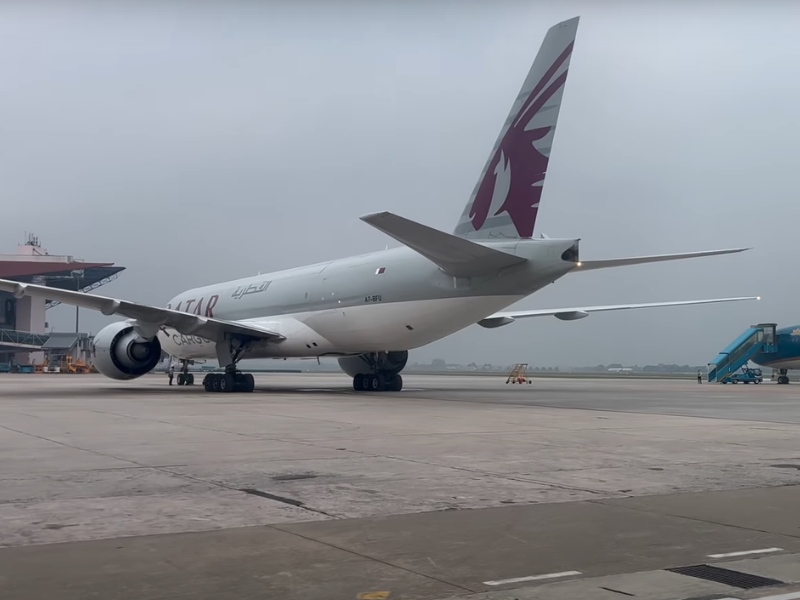
1. The 1,700-Kilometer Dialogue
In April 2026, the journey from Hanoi to Ho Chi Minh City remains the definitive rite of passage for anyone seeking to understand the “Vertical Soul” of Vietnam. Spanning over 1,700 kilometers, this route is more than a distance; it is a transition through time zones of history, climate, and culture.
For the modern executive or the refined traveler, the choice of how to traverse this axis is a strategic one. Do you prioritize the efficiency of the sky, treating the journey as a 2-hour bridge between two economic hubs? Or do you embrace the slow movement of the rail, treating the 30-hour transit as a meditative odyssey? At Sao La Tours, we believe the “Great Traverse” is where the true character of Vietnam reveals itself—not in the destination, but in the shifting light of the landscape between the Red River Delta and the Mekong.
2. The Efficiency of the Sky: The 2026 Air Corridor
The air route between Hanoi (HAN) and Ho Chi Minh City (SGN) is one of the busiest in the world. In 2026, this corridor functions with the clinical precision of a high-speed artery.
The “Boutique” Sky Experience
Sustainability in the Air: By 2026, major carriers like Vietnam Airlines and Bamboo Airways have integrated Sustainable Aviation Fuel (SAF) into their North-South fleets. For our guests, this means a lower-impact journey without sacrificing the speed of a 120-minute flight.
Seamless Digital Borders: With the full implementation of biometric boarding at Noi Bai and Tan Son Nhat airports, the “door-to-door” time for an executive has been reduced significantly. Utilizing our VIP Fast-Track, you can move from the historic Old Quarter of Hanoi to a business lunch in District 1 in under four hours.
The Business Utility: Flying is the choice for the “Time-Poor, Experience-Hungry” traveler. It allows you to maximize your residency in each city, treating the 1,700km gap as a momentary pause in a high-octane itinerary.
3. The Soul of the Rail: The Renaissance of “Heritage Rail”
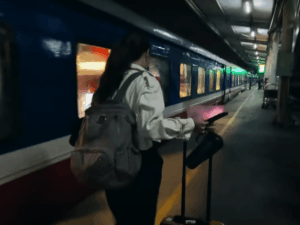
While flying is about the destination, the train is about the narrative. In 2026, the North-South Railway (the Reunification Express) has undergone a cultural renaissance, positioning itself as a “Living Museum” on wheels.
The “The Vietage” & Beyond
The era of the “uncomfortable sleeper” has been replaced by the era of Heritage Rail Excellence.
The “Central Heritage Connection”: This newly redesigned route (launched in late 2025/early 2026) features 180-degree rotating soft seats, LED mood lighting, and VIP carriages inspired by the Hue Royal Court. It turns the transit between Hue and Da Nang into a 3-hour theatrical performance of coastal vistas.
The Vietage by Anantara: For our top-tier clients, the journey is defined by The Vietage. Operating between Da Nang, Quy Nhon, and Nha Trang, this luxury carriage offers a 12-seat sanctuary of gourmet dining, free-flowing vintage wines, and head-and-shoulder massages as the emerald rice paddies of Central Vietnam glide past your window.
The “Slow Travel” Philosophy: In 2026, the elite traveler seeks “Unplugged Luxury.” The 30-hour journey from North to South provides a rare window of Digital Detox. Without the constant pull of 6G signals (though available), the rhythmic sway of the train becomes a catalyst for deep reflection—a “moving retreat” across the Vietnamese countryside.
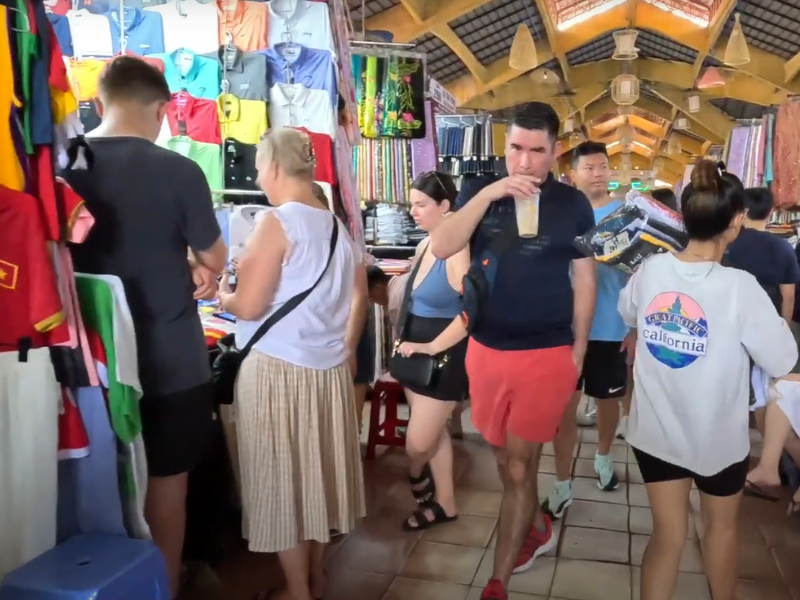
4. Comparison: The 2026 North-South Matrix
| Feature | The High-Speed Corridor (Air) | The Heritage Narrative (Rail) |
| Transit Time | ~2 Hours (In-flight) | 30–34 Hours (Total) |
| Key Attraction | Efficiency & Urban Maximization | Coastal Vistas & Cultural Immersion |
| Sustainability | SAF-Integrated Aviation | Low-Emission Heritage Rail |
| Best For | Business Executives / Short Stays | Slow-Travelers / History Scholars |
| Luxury Element | VIP Lounges & Biometric Fast-Track | Private Sleeper Suites & Gourmet Dining |
5. Strategic Intermissions: Breaking the Vertical Axis
At Sao La Tours, we rarely advise our guests to fly or rail the entire 1,700km in one breath. The true magic of the North-South axis lies in the “Strategic Intermission.”
The Coastal Pause: Instead of a direct flight, we curate a “Hybrid Journey.” Fly from Hanoi to Hue, spend two days in the Imperial City, and then take the Heritage Train across the Hai Van Pass to Da Nang. This allows you to experience the most scenic 100km of the railway without the fatigue of the full 30-hour transit.
The 2026 High-Speed Future: While the North-South High-Speed Railway (expected to break ground in late 2026) is the talk of the nation, the current system offers a “Vintage Modernity” that will soon be a relic. In 2026, traveling by rail is a way to “catch the last light” of the traditional Reunification Express before the era of 350km/h bullet trains begins.
6. Preliminary Insights: The Choice of Perspective
We have analyzed the Vertical Axis—the choice between the efficiency of 35,000 feet and the soul of the iron rail. We understand that in 2026, “Fast” and “Slow” are not just speeds, but choices that define the texture of your Vietnamese experience.
But once you have traversed the axis and reached the southern terminal, a new world awaits. In the next part, we move from the Vertical Axis to the Coastal Intermission. We will explore the “Golden Middle”—the heritage cities of Central Vietnam that act as the cultural pivot point between the North and the South.
7. The Imperial Pulse: Hue as the Capital of “Slow Luxury”
In April 2026, the ancient capital of Hue has successfully resisted the frantic pace of its metropolitan neighbors. It has emerged as the global benchmark for “Regenerative Heritage.”
The Royal Citadels & Digital Restoration: Utilizing the same 3D-mapping and AR technology we analyzed at the Temple of Literature, the Imperial City (The Citadel) in 2026 offers a “Ghost of the Past” tour. Through AR visors, guests can see the forbidden purple city reconstructed in its full golden glory as they walk through the actual stone ruins.
The Gastronomic Citadel: Hue’s cuisine (Royal Court Cuisine) is the most sophisticated in Vietnam. For our executive guests, we curate “The Emperor’s Intermission”—a private, 50-course royal banquet served in a restored garden house (Nhà Vườn), where each dish is a lesson in balance, aesthetics, and medicinal harmony.
Wellness & The Perfume River: In 2026, the banks of the Perfume River have become the site of Vietnam’s most exclusive eco-wellness retreats. These properties utilize traditional Hué herbal medicine and mindfulness practices, offering a necessary “Biological Reset” midway through the North-South traverse.
8. The Great Pass: Navigating the Hai Van Cloud
The crossing of the Hai Van Pass is the most dramatic 21 kilometers in Southeast Asia. In 2026, we offer three distinct ways to navigate this “Ocean Cloud” boundary:
1. The Heritage Rail (The Most Cinematic)
As discussed in Part 1, the rail line here clings to the cliffs. In 2026, the windows are treated with anti-glare technology, allowing for perfect panoramic photography of the turquoise Lang Co Bay below. This is “Slow Travel” at its pinnacle.
2. The Luxury Sidecar (The Most Visceral)
For those who seek the wind, we arrange a Vintage Sidecar convoy. Led by expert local historians, this journey allows you to stop at abandoned French bunkers and hidden waterfalls that the tour buses bypass. It is a sensory immersion into the altitude and the salt air.
3. The EV Tunnel (The Most Efficient)
The Hai Van Tunnel, upgraded in 2025 with smart-ventilation and LED art installations, allows for a 15-minute transition between the climates of Hue and Da Nang. This is the choice for the executive moving toward a board meeting in the “Silicon City” of Da Nang.
9. Da Nang & Hoi An: The Creative Synthesis
South of the pass, the energy shifts. Da Nang in 2026 is a “Smart City” of the future, while Hoi An remains a “Creative Sanctuary” of the past.
Da Nang: The Silicon Coast: With its 6G-connected beaches and world-class bridges, Da Nang is the hub for the “Global Nomad Elite.” We utilize the city’s private heliports for guests wishing to skip the road traffic and land directly on the white sands of the Son Tra Peninsula.
Hoi An: The UNESCO Creative City: By 2026, Hoi An has moved beyond being a “Lantern Museum.” It is now a UNESCO Creative City of Crafts. We move our guests past the crowded “Ancient Town” and into the An Bang Design District, where local artisans collaborate with international designers to create bespoke silk and lacquer furniture.
The Tailoring Strategy: Hoi An’s legendary 24-hour tailoring has evolved. In 2026, we utilize 3D Body Scanning at our partner ateliers. Your measurements are stored digitally, allowing you to have a bespoke linen suit crafted while you enjoy a cocktail on a sunset river cruise, with the final garment delivered to your next stop in Saigon.
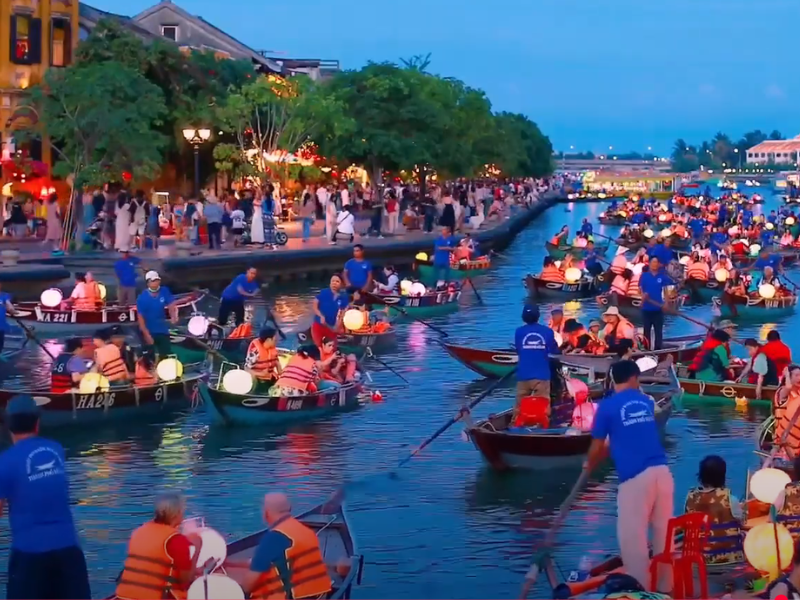
10. Comparison: The Central Pivot Matrix
| Destination | Hue (The Past) | Da Nang (The Future) | Hoi An (The Creative) |
| Vibe | Aristocratic, Meditative | High-Tech, Coastal, Rapid | Artisanal, Romantic, Boutique |
| Luxury Asset | Royal Garden Houses | 6G Smart Resorts | Private Craft Ateliers |
| Primary Activity | Cultural Immersion / History | Business Hub / Beach Leisure | Bespoke Fashion / Culinary Arts |
| 2026 Tech | AR Historical Reconstruction | Smart-Traffic & EV Infrastructure | 3D Tailoring & Digital Craft |
| Strategic Role | The Mind’s Reset | The Professional Connection | The Spirit’s Sanctuary |
11. Preliminary Insights: The Rhythm of the Middle
We have explored the Coastal Intermission—the cultural and geographical “gear shift” of the North-South traverse. We have seen how Hue provides the historical gravity, how the Hai Van Pass provides the cinematic transition, and how the Da Nang-Hoi An corridor provides the creative spark.
But the journey is nearing its climax. As the coastal mountains fade into the distance, the landscape flattens into the infinite green of the rice paddies and the sprawling industrial ambition of the South. In the final chapter, we will reach the terminal point of our odyssey: the “Mekong Pulse” of Ho Chi Minh City.
12. The Mekong Pulse: Reaching the Southern Terminal
As the coastal cliffs of Central Vietnam flatten into the sprawling, verdant infinity of the south, the rhythm of the journey changes. In April 2026, arriving in Ho Chi Minh City (Saigon) is like plugging into a high-voltage grid. If Hanoi is the city of “Quiet Power,” Saigon is the city of “Perpetual Motion.”
The 2026 Skyline: Thu Thiem and Beyond
The view of the city has been transformed. The Thu Thiem Peninsula, once a marshy promise, is now a glittering financial district—Saigon’s “Pudong.”
The Vertical City: Our guests are no longer limited to District 1. In 2026, the luxury pulse has shifted toward the sleek rooftop lounges of Thu Thiem, offering a panoramic view of the Saigon River that reflects the city’s economic ambition.
The “Indochine” Soul: Despite the skyscrapers, the “Mekong Pulse” is best felt in the hidden courtyards of District 3. Here, we navigate the “Secret Saigon”—private villas turned into jazz clubs or Michelin-standard contemporary Vietnamese kitchens that operate behind unmarked gates.
13. The 2026 Success Toolkit: Navigating the North-South Traverse
Crossing the entire length of Vietnam is a rewarding challenge. To ensure your 2026 journey remains an “Executive Odyssey” rather than a logistical struggle, Sao La Tours provides this finalized Strategic Framework.
1. The Three-Climate Wardrobe
In April, you will face three distinct weather systems.
The North (Hanoi): Mild, humid, and occasionally misty. We recommend “Hanoi Silk” layers—lightweight but structured.
The Center (Da Nang/Hue): Intense sun and coastal breezes. High-SPF “Technical Linen” (as discussed in the Hoi An 3D-scanning section) is essential.
The South (Saigon): Tropical heat and sudden afternoon downpours. We provide our guests with “Smart-Umbrellas” that sync with local weather AI to alert you ten minutes before a rain cell hits.
2. The Digital Handover
Moving 1,700km requires seamless connectivity.
The 6G Transit: As analyzed in the rail and air sections, your “Sao La Digital Concierge” ensures your eSIM handovers happen instantly across provincial borders.
Data Sovereignty: All our private EVs are equipped with Satellite-Link Backup, ensuring that even when traversing the remote Truong Son mountains, your connection to global markets remains uninterrupted.
3. Cultural Code: North vs. South
The “Hanoi Protocol”: Expect indirect communication, formal introductions, and an emphasis on history and “Face.” Meetings here are often a marathon of tea and subtext.
The “Saigon Sprint”: Expect directness, rapid decision-making, and a focus on the future. The “Saigon Handshake” is often faster, more informal, and deeply entrepreneurial.
14. Comparison: The 2026 North-South Experience Matrix
| Experience Layer | Hanoi (The Origin) | The Coast (The Pivot) | Saigon (The Terminal) |
| Pace of Life | Adagio (Steady & Formal) | Andante (Scenic & Fluid) | Vivace (Rapid & Electric) |
| Coffee Culture | Traditional Egg Coffee | Salt Coffee (Hue) | Cold-Brew Specialty Coffee |
| Architectural Icon | The Temple of Literature | The Dragon Bridge | The Thu Thiem Bridge 2 |
| Evening Vibe | Quiet Jazz & Wine Bars | Night Markets & Beach Clubs | Rooftop Lounges & Speakeasies |
| Core Theme | Preservation & Identity | Creativity & Nature | Innovation & Commerce |
15. FAQ: Expert Insights for the Great Traverse
Q1: Is it better to travel North-to-South or South-to-North?
A: At Sao La Tours, we recommend North-to-South. Starting in the historical gravity of Hanoi allows you to “descend” into the high-energy future of Saigon, mirroring the country’s modern development story.
Q2: How has the Metro changed the “Traverse Experience”?
A: In 2026, the Saigon Metro Line 1 connects the high-tech hubs of District 9 directly to the Heritage Plaza of the Opera House. It has turned the city into a “15-minute city” for executives, allowing you to skip the famous motorbike congestion entirely.
Q3: Can I combine the Traverse with a visit to the Mekong Delta?
A: Absolutely. We suggest ending your traverse with a “Hydro-Odyssey”—a private luxury cruise from Saigon into the heart of the Delta, where the river eventually meets the sea.
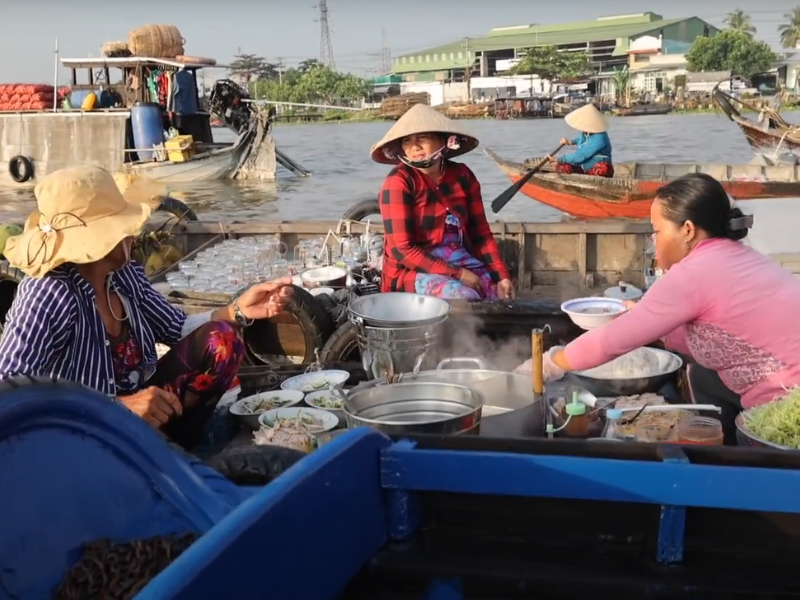
16. Reviews: Voices of the 2026 Odyssey
“The transition from the mist of Hanoi to the neon of Saigon felt like traveling through time. Sao La’s ability to manage the logistics of the ‘Great Traverse’ meant I could focus on the culture without worrying about a single ticket or transfer.”
— David H., Executive Producer
“Taking the Heritage Rail across the Hai Van Pass was the highlight of my year. In a world that is moving too fast, those 30 hours of ‘Slow Luxury’ were exactly what I needed to recalibrate before my meetings in Saigon.”
— Sarah W., Managing Director
17. Conclusion: The Rising Dragon of 2026
The 1,700-kilometer traverse from Hanoi to Ho Chi Minh City is the definitive story of Vietnam. It is a story of Unity in Diversity—where ancient Confucian ethics, coastal artisanal creativity, and southern economic ambition fuse into a single, unstoppable national momentum.
We have journeyed from the Vertical Axis of air and rail (Part 1), through the Coastal Intermission of Hue and Hoi An (Part 2), to the Mekong Pulse of the south (Part 3). In April 2026, Vietnam is no longer just a destination; it is a Global Masterclass in resilience and innovation. At Sao La Tours, we don’t just bridge the distance; we invite you to become a part of the narrative.
Complete Your Odyssey
The axis is waiting. The terminal is calling. Your journey is ready.
1,700 Kilometers. One Unforgettable Legacy.
Sao La Tours – The Authority in 2026 Integrated Vietnam Travel & Cultural Strategy.
Regional Hubs: Hanoi, Da Nang, Ho Chi Minh City.
Heritage. High-Tech. High-Stakes Travel.