The Geomorphic and Climatological Paradox of Indochina
For the discerning global voyager, timing an international passage is far more than a matter of checking a static calendar or syncing holiday blocks. It is an exercise in macro-environmental planning. When choosing Southeast Asia as your next travel destination, the most foundational question you must answer is: What is the best month to visit Vietnam?
To answer this scientifically, one must first dismantle the myth that Vietnam possesses a single, uniform tropical weather system. Geographically, Vietnam is an incredibly elongated S-shaped corridor, stretching over 1,650 kilometers across nearly 15 degrees of latitude. Bound by the warm waters of the East Sea to the east and anchored by the towering Annamite Mountain Range to the west, the country functions as a complex geomorphic landscape that splits global weather patterns into distinct micro-climates.
At any single moment of the year, Vietnam is experiencing a profound atmospheric contrast. While the high-altitude peaks of the northern frontier are shrouded in a crisp, alpine mist reminiscent of the Scottish Highlands, the central coast may be navigating late-autumn monsoon swells, while the southern deltas are basking in 32°C equatorial sunshine.
Mass-market travel brochures and automated booking algorithms routinely fail because they apply generic tropical generalizations to this intricate landscape. They recommend “Vietnam” as a single entity, frequently leaving affluent travelers exposed to intense midday summer humidity, unexpected regional monsoons, or dense urban smog.
At Sao La Vietnam Tours, we treat weather not as an unpredictable risk, but as a structural variable that can be precision-engineered. This comprehensive climatological encyclopedia deconstructs the country’s weather patterns across 16 dedicated strategic matrices, demonstrating how our proprietary Micro-Climate Routing protects your time, safeguards your family’s physical energy, and guarantees absolute aesthetic perfection for your inaugural passage.
2. The Theoretical Core: Understanding the Tri-Regional Climate Axis
To successfully plan a 14-day cross-regional circuit, your family office or travel manager must master the theoretical foundations of Vietnam’s three independent climate ecosystems. Each region operates on its own chronological clock, dictated by the shifting patterns of the Northeast and Southwest monsoons.
       THE VIETNAM CLIMATE AXIS
      │
      ┌────────────────────────┼────────────────────────┐
      ▼                        ▼                        ▼
[The Northern Matrix]   [The Central Riviera]   [The Southern Rhythm]
Subtropical, 4 Seasons   Tropical Monsoon        Pure Equatorial
Hanoi, Lan Ha, Sapa     Hue, Da Nang, Hoi An    Saigon, Mekong, Islands
The Northern Climate Matrix (Subtropical – Four Distinct Seasons)
Encompassing Hanoi, the Lan Ha Bay Archipelago, Ninh Bình, and the Sapa Highlands. This region is heavily influenced by continental air masses moving south from mainland Asia. It experiences a genuine, poetic four-season cycle: a crisp, dry autumn (September to November); a cool, mist-shrouded winter (December to February); a humid, blooming spring (March to April); and a high-precipitation, vibrant summer (May to August).
The Central Riviera Axis (Tropical Monsoon – Asymmetrical Calendar)
Encompassing Hue, Da Nang, Hoi An, Quy Nhon, and Nha Trang. Sheltered by the Truong Son mountains, this coastal strip operates on an inverted calendar compared to the rest of Southeast Asia. Its dry season is remarkably prolonged, stretching from late January through August. Conversely, its wet season arrives late, concentrating intense precipitation and tropical low-pressure systems between October and early January.

The Southern Equatorial Rhythm (Constant Warmth – Two Seasons)
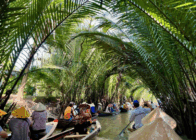
Encompassing Ho Chi Minh City (Saigon), the Mekong Delta riverways, and the isolated sanctuaries of Con Dao and Phu Quoc islands. Located close to the equator, this region maintains a stable thermal baseline, with temperatures hovering between 28°C and 34°C year-round. It operates on a binary atmospheric system: the radiant, low-humidity dry season (November to April) and the high-energy green season (May to October), characterized by short, predictable convective afternoon downpours.
The Definitive Sovereign Window: The November-to-April Alignment
If your travel mandate requires a complete, seamless North-to-South cross-regional itinerary—capturing the ancient scholarly heritage of Hanoi, the pristine karsts of the northern gulfs, the preserved architecture of Hoi An, and the waterborne life of the Mekong Delta inside a single 14-day window—the absolute optimal window spans from November to April.
This specific alignment represents the historical sweet spot of the Indochine climate cycle. During these months, the atmospheric pressure systems achieve a rare structural harmony:
Thermal Equilibrium: The extreme, exhausting summer humidity has completely dissolved, replaced by cool continental breezes in the north and mild, comfortable tropical currents in the south.
Logistical Predictability: The risk of sudden tropical depressions, marine wind swells, or long-duration monsoonal downpours drops to its lowest annual statistical probability (less than 5%).
Visual Clarity: Horizontal visibility in maritime sectors like Lan Ha Bay and the Con Dao archipelago reaches its maximum performance tier, providing flawless light conditions for aerial private aviation links and professional landscape photography.
Chapter I: The Peak Winter Solstice (November, December, January, February)
The winter solstice represents the peak performance period for international luxury travel from the West, offering the highest environmental comfort and cultural richness.
November: The Connoisseur’s Autumn
November is widely regarded by senior travel architects as the finest month for a comprehensive cross-regional circuit. The North enters its dry, golden autumn, characterized by 22°C temperatures and clear blue skies over Hanoi. The South officially transitions into its pristine dry season, offering low humidity and refreshing evening breezes. In Central Vietnam, the late-autumn rains begin to taper off, creating a beautiful atmosphere along the historic streets of Hoi An.
December: The Festive Sanctuary
December is defined by flawless atmospheric stability in both the extreme North and South. Hanoi experiences cool, dry jacket-weather (16°C to 20°C), completely free of tropical precipitation. The Southern Delta and the islands of Con Dao and Phu Quoc enter their absolute peak ecological window—seas are calm, turquoise clarity is at 100%, and daily sunshine averages 8 uninterrupted hours. It is the definitive sanctuary for families escaping the harsh Western winter.
January: The Imperial Crisp
January brings the lowest temperatures of the year to North Vietnam, with the mercury dropping to 14°C in the capital and occasionally touching single digits in the Sapa Highlands. This crisp air creates a beautiful winter atmosphere in the French Quarter. For travelers who prefer cool-climate urban exploration over tropical heat, January is unmatched. Meanwhile, the central coast around Da Nang and Hoi An enters a mild spring-like phase, completely clear of rain.
February: The Cultural Awakening
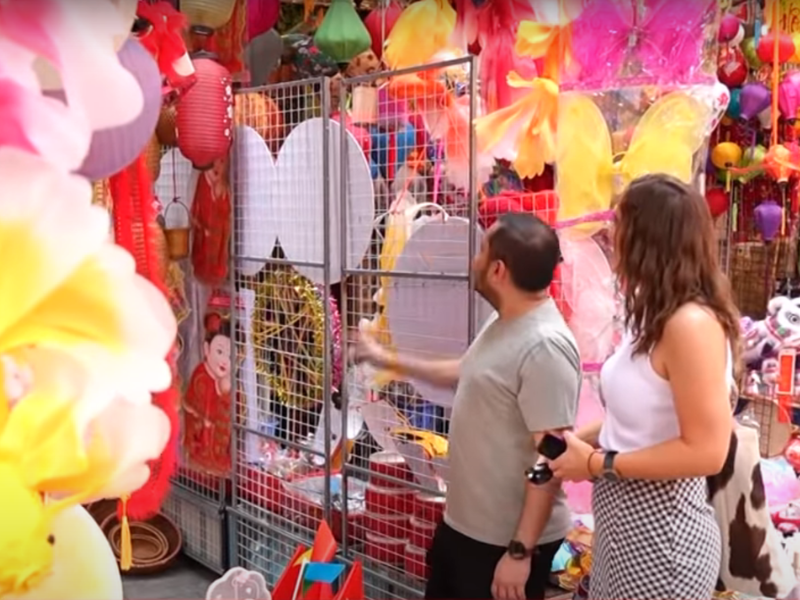
February is the month of intense cultural energy, usually aligning with the arrival of Tết (The Lunar New Year). Climatologically, the entire country is highly favorable. The North is cool and refreshing, Central Vietnam is bright and mild, and the South is radiant. The atmosphere throughout the country is filled with the scent of peach blossoms and incense, offering first-time visitors an unforgettable encounter with Vietnam’s living spiritual heritage.
Chapter II: The Majestic Spring Awakening (March & April)
The spring awakening is a period of rapid thermal transition, offering unique environmental rewards for active voyagers and nature conservationists.
March: The Highland Clarity
March represents the ultimate window for high-altitude exploration and landscape photography in the northern frontiers. The winter mists lift completely, revealing dramatic views of the limestone karsts of Ha Giang and the sculpted terraces of Sapa. Temperatures across Hanoi and the Lan Ha Bay Archipelago rise to a comfortable 22°C to 25°C. In the Central Riviera, the beach luxury resorts of Nha Trang and Quy Nhon experience calm seas and warm waters, perfect for private scuba diving and marine safaris.
April: The Radiant Equinox
April is a beautiful shoulder month defined by long, sun-drenched days nationwide. The Southern region reaches its maximum thermal intensity before the summer rains, making it the perfect time to retreat to beachfront private pool villas where coastal winds provide natural climate controls. The North enters its early summer phase, filling the tree-lined avenues of Hanoi with vibrant greenery and warm, clear evenings perfect for unscripted open-air fine dining.
Chapter III: The Summer Monsoon and Central Escape (May & June)
As the Southwest monsoon activates across Southeast Asia, mass-market travel guides mistakenly recommend avoiding Vietnam. In reality, May and June offer an exclusive environmental window for travelers who know how to utilize Micro-Climate Routing.
May: The Central Riviera Peak
While the extreme North and South begin to experience early convective afternoon rain showers, Central Vietnam (Hue, Da Nang, Hoi An, Quy Nhon) enters its absolute prime dry season. Sheltered from the Southwest monsoon by the Annamite Mountains, this coastal strip enjoys stable, dry, sunny weather with temperatures averaging 30°C. May is the optimal month to secure ultra-luxury beachfront residencies at half the price of the winter peak while enjoying complete spatial privacy.
June: The Emerald Highlands
In June, the northern rice terraces of Mù Cang Chải and Sapa undergo an incredible visual transformation. The summer rains fill the terraced basins, turning the mountain faces into massive, reflective sky mirrors (The Water-Pouring Season). For photographers and trekking enthusiasts, the emerald green intensity of the landscape in June is spectacular, far surpassing the dry brown tones of the winter months. Outdoor activities are scheduled strictly during the cool dawn windows (06:00 AM to 09:30 AM) to maintain absolute physical comfort.
Chapter IV: The Tropical Green Season (July & August)
July and August represent the peak of the tropical green season. For the experienced luxury traveler, these months are approached not with avoidance, but with adaptive tactical planning.
July: The Low-Impact Showers
July weather is characterized by predictable atmospheric rhythms. The mornings across Hanoi and Saigon are bright, warm, and clear. Between 03:00 PM and 04:30 PM, the accumulated thermal energy triggers short, high-velocity convective downpours that clear within 45 to 60 minutes. Our logistics desk structures your day seamlessly around this rhythm: outdoor site explorations are conducted in the morning, while afternoon hours are reserved for private villa spa treatments, indoor culinary masterclasses, or private art gallery viewings.
August: The Northern Harvest Transition
August brings the first hints of autumn transition to the northern highlands. The emerald green rice terraces begin to ripen, shifting into a brilliant chartreuse and pale yellow palette. While August is a high-precipitation month in the maritime sectors, the interior riverways of Ninh Bình and the cultural salons of Hanoi remain highly rewarding, offering lush, rain-washed landscapes and clean, crisp air free of urban heat.
Chapter V: The Golden Autumn and Harvest Solstice (September & October)
The autumn harvest solstice is an elite window prized by landscape photographers, culinary anthropologists, and slow-travel enthusiasts.
September: The Golden Terrace Solstice
September is the non-negotiable month for anyone wishing to witness the iconic northern rice terraces at their absolute peak beauty. The mountains of Sapa, Mù Cang Chải, and Hoàng Su Phì turn into a sea of undulating golden-yellow rice ripe for harvest. The air in the highlands is cool and crisp, while Hanoi transitions into its romantic early autumn. Close attention is paid by our radar desk to managing late-summer maritime currents in the southern gulfs.
October: The Romantic Capital
October is universally celebrated as the most poetic month to experience Hanoi. The fierce summer heat is replaced by cool northern breezes, dry air, and soft, golden sunlight that filters beautifully through the French Quarter’s tree canopies. The scent of local milkwood flowers fills the air, and the city embraces a slower, reflective pace. It is the ultimate month for slow-travel urban exploration and heritage photography.
Comprehensive Micro-Region Analysis and 12-Month Metric Sheet
To give your family office or financial manager total analytical clarity, this master metric sheet deconstructs real-time average temperatures, humidity indexes, and operational safety ratings across Vietnam’s primary luxury destinations.
| Month | Hanoi & Lan Ha Bay (Temp / Humidity / Rating) | Hoi An & Central Riviera (Temp / Humidity / Rating) | Saigon & Mekong Delta (Temp / Humidity / Rating) | Con Dao & Phu Quoc Islands (Temp / Humidity / Rating) |
| Jan | 16°C / 68% / ⭐⭐⭐⭐⭐ | 22°C / 75% / ⭐⭐⭐⭐ | 30°C / 60% / ⭐⭐⭐⭐⭐ | 28°C / 55% / ⭐⭐⭐⭐⭐ |
| Feb | 18°C / 72% / ⭐⭐⭐⭐⭐ | 24°C / 72% / ⭐⭐⭐⭐⭐ | 32°C / 62% / ⭐⭐⭐⭐⭐ | 29°C / 58% / ⭐⭐⭐⭐⭐ |
| Mar | 22°C / 78% / ⭐⭐⭐⭐ | 27°C / 70% / ⭐⭐⭐⭐⭐ | 34°C / 65% / ⭐⭐⭐⭐ | 31°C / 60% / ⭐⭐⭐⭐⭐ |
| Apr | 26°C / 80% / ⭐⭐⭐⭐ | 30°C / 72% / ⭐⭐⭐⭐⭐ | 35°C / 68% / ⭐⭐⭐ | 32°C / 65% / ⭐⭐⭐⭐ |
| May | 31°C / 82% / ⭐⭐⭐ | 33°C / 74% / ⭐⭐⭐⭐⭐ | 33°C / 78% / ⭐⭐⭐ | 31°C / 72% / ⭐⭐⭐ |
| Jun | 33°C / 84% / ⭐⭐⭐ | 34°C / 75% / ⭐⭐⭐⭐⭐ | 32°C / 82% / ⭐⭐⭐ | 30°C / 78% / ⭐⭐⭐ |
| Jul | 32°C / 85% / ⭐⭐⭐ | 33°C / 76% / ⭐⭐⭐⭐ | 31°C / 84% / ⭐⭐⭐ | 29°C / 80% / ⭐⭐⭐ |
| Aug | 31°C / 86% / ⭐⭐⭐ | 32°C / 77% / ⭐⭐⭐⭐ | 31°C / 85% / ⭐⭐⭐ | 29°C / 82% / ⭐⭐⭐ |
| Sep | 29°C / 80% / ⭐⭐⭐⭐⭐ | 30°C / 80% / ⭐⭐⭐ | 31°C / 83% / ⭐⭐⭐ | 30°C / 78% / ⭐⭐⭐ |
| Oct | 25°C / 74% / ⭐⭐⭐⭐⭐ | 27°C / 85% / ⭐⭐ | 31°C / 80% / ⭐⭐⭐⭐ | 30°C / 72% / ⭐⭐⭐⭐ |
| Nov | 21°C / 70% / ⭐⭐⭐⭐⭐ | 25°C / 82% / ⭐⭐⭐ | 30°C / 70% / ⭐⭐⭐⭐⭐ | 29°C / 65% / ⭐⭐⭐⭐⭐ |
| Dec | 17°C / 66% / ⭐⭐⭐⭐⭐ | 23°C / 78% / ⭐⭐⭐⭐ | 29°C / 62% / ⭐⭐⭐⭐⭐ | 28°C / 58% / ⭐⭐⭐⭐⭐ |
Note: Rating scale indicates logistical fluid performance, crowd mitigation capacity, and physical comfort optimization engineered by Sao La Private Circuits.
The Tactical Choice: Overcoming the Weather Monopoly
To maximize your travel investment, our design bureau has outlined the precise operational differences between standard fixed itineraries that fall victim to weather shifts and our adaptive private circuits.
Standard Mass-Market Tour Packages (Fixed Monopolies)
Logistical Execution: Operates on rigid, unalterable travel dates months in advance. If a regional monsoon or marine wind swell develops, the group is forced into the weather, resulting in canceled boat excursions, prolonged delays in public terminal halls, and severe travel exhaustion.
Thermal Exposure: Conducts walking tours and monument visits during the peak temperature and humidity spikes of the day (11:30 AM to 02:30 PM), causing physical depletion for children and elderly family members.
Sao La Bespoke Micro-Climate Circuits (Adaptive Command)
Logistical Execution: Your itinerary functions as a flexible, living document. Our 24/7 backend logistics desk continuously monitors real-time satellite weather radar. If a tropical depression targets the central coast, we immediately pivot your private aviation assets and luxury van routing to dry coastal pockets or northern highland sanctuaries before your party ever experiences friction.
Thermal Exposure: Operates under a strict Strategic Shield Protocol. Active outdoor assets are explored exclusively during early morning windows (06:30 AM entries), when the horizontal light is flawless for photography and the air is cool. Midday spikes are spent inside private, climate-controlled limousine vans or secluded wellness estates.
2026 Fleet Infrastructure: The Mobile Micro-Climate Shield
We recognize that the ultimate challenge of tropical luxury travel is managing the sudden transitions between humid outdoor sites and air-conditioned spaces. Every private circuit engineered by Sao La Tours operates within a highly advanced transport bubble designed to protect your physical energy systems.
Our private ground transport fleet consists of state-of-the-art luxury vans and executive sedans custom-modified for tropical conditions. Each vehicle features high-output, independent multi-zone climate control arrays equipped with medical-grade HEPA air-purification grids.
The moment you step inside from a humid heritage site, your thermal equilibrium is safely and instantly restored. The passenger cabins are continuously stocked with chilled, premium international mineral waters, organic electrolyte selections, and cold towels infused with local essential oils, ensuring your party remains perfectly hydrated and refreshed throughout your cross-regional transits.
Strategic Festive Calendars: Navigating Tết and Public Holidays
Timing your journey to Vietnam also requires a clear understanding of the national festive calendar. The most significant event is Tết (The Lunar New Year), which shifts annually between late January and mid-February.
The Tết Logistical Landscape
During Tết, the entire nation celebrates family heritage. For 3 to 5 days, public commercial markets, multi-generational artisanal kitchens, and independently owned boutique shops temporarily pause operations. Mass-market tours during this window frequently break down due to local closures and crowded public transport.
The Sao La Insulation Protocol
If you choose to travel during the Lunar New Year, our bureau builds an insulating protective layer around your party. We secure private estate chefs, contract generational master craftspeople for exclusive courtyard workshops, and arrange private, after-hours access to national monuments.
This allows you to witness the beautiful spiritual traditions of the holiday—the flower markets, the street calligraphy, the temple offerings—in absolute comfort, completely insulated from local commercial closures.
The Private Wealth Management Approach to Travel Security: NDAs and Discretion
For high-profile figures, corporate executives, and prominent family registries, seasonal timing is secondary to data privacy and absolute personal security. At Sao La Vietnam Tours, we treat your travel timeline with the same level of confidentiality as a private Swiss wealth management firm.
The Sovereign NDA Safeguard
Upon initiating your seasonal and calendar selection with our senior travel architects, our legal desk is prepared to execute a formal Non-Disclosure Agreement (NDA). Your precise travel dates, private domestic aviation tail numbers, luxury villa allocations, and payment transfers remain completely locked within our encrypted internal server architecture.
Zero-Marketing Exploitation Guarantee
We enforce an absolute ban on unauthorized commercial field exposure. Our travel hosts, private chauffeurs, and regional curators are legally bound never to utilize your presence, your family’s images, or your custom itinerary details for corporate social media or marketing exposure without explicit, written clearance from your family office. Your anonymity is our primary contract.
Biological Safety and Elite Culinary Vetting
A sudden shift in tropical humidity or seasonal climate can place stress on the human digestive system if not managed with clinical precision. Our bureau operates a comprehensive health shield across all calendar seasons to guarantee 100% biological security for long-haul international travelers.
We enforce a strict Zero-Tap-Water Mandate across our entire operational chain. Every ice cube, ingredient washing cycle, and broth reduction at our curated dining stops utilizes exclusively premium, multi-filtered mineral water grids.
Furthermore, 72 hours prior to your arrival at any heritage estate, luxury cruiser, or remote wellness resort, our dedicated culinary desk delivers your party’s precise allergy and medical dietary profiles directly into the hands of the Executive Chef. Kitchens are audited to ensure complete isolation of preparation surfaces, allowing you to sample authentic local flavors with absolute peace of mind.
Travel Intelligence: Frequently Asked Questions
Q1: Can a 14-day itinerary execute a high-end beach extension during the northern winter months?
A: Unconditionally yes. If you travel between December and February—when northern waters like Lan Ha Bay are too cool for swimming—our micro-climate routing shifts your coastal relaxation segment seamlessly to the extreme south. We position your party in private beachfront pool villas on the Con Dao Islands or Phu Quoc, where the ocean temperatures remain a perfect 28°C and underwater visibility is at its annual peak.
Q2: How does your logistics desk handle sudden, unpredicted weather developments mid-trip?
A: Your journey is a living document, not a rigid contract. Because your dedicated Sao La concierge host monitors your regional movements and real-time weather radar patterns 24/7, any sudden tropical disruption or marine wind swell is managed instantly behind the scenes. We handle all aviation adjustments, alternative private luxury land transit, and premium resort realignments smoothly while you remain relaxed in the field.
Q3: What strict measures are taken to ensure safety during the afternoon rain showers of the green season?
A: Absolute structural security. All maritime assets—from our boutique timber junk cruises in Lan Ha Bay to our high-speed private speedboats in the Mekong Delta—are completely vetted for international safety compliance and monitored continuously by our shoreside desk. If a sudden afternoon convective shower occurs, our itineraries seamlessly transition your party into pre-arranged indoor luxury sanctuaries, such as private art gallery viewings or premium holistic spa treatments, until the sky clears.
Q4: Are there any specific clothing or gear recommendations for a cross-regional trip in January?
A: Given the extreme micro-climates, packing requires a strategic approach. For North Vietnam’s winter crisp, we recommend premium cashmere layers, light jackets, and windproof pashminas. For the tropical South and Central regions, ultra-light, breathable linen wear is essential. Your private vehicle is continuously stocked with premium umbrellas, lightweight rain capes, and luxury sun protection arrays, eliminating the need to overpack.
Claim Your Sovereign Calendar Passage
The perfect month to visit Vietnam does not exist on a static online calendar; it is unlocked through the hands of master lữ hành architects who understand how to align the rhythms of the earth with the demands of your lifestyle.
True luxury travel requires an uncompromising commitment to precision, absolute spatial privacy, and the preservation of your peace of mind. Let Sao La Vietnam Tours shield your family registry from the noise of mass tourism and the unpredictable elements of nature, crafting a custom, flawlessly timed passage through this ancient empire.
Contact our private travel advisory bureau today to initiate your inaugural seasonal and itinerary design consultation.
ARCHITECT YOUR SEAMLESS CLIMATOLOGICAL PASSAGE WITH SAO LA
Consult with a Senior Itinerary Architect | Private Bureau: Hanoi • Saigon
Meet the Expert Who Designed This Guide
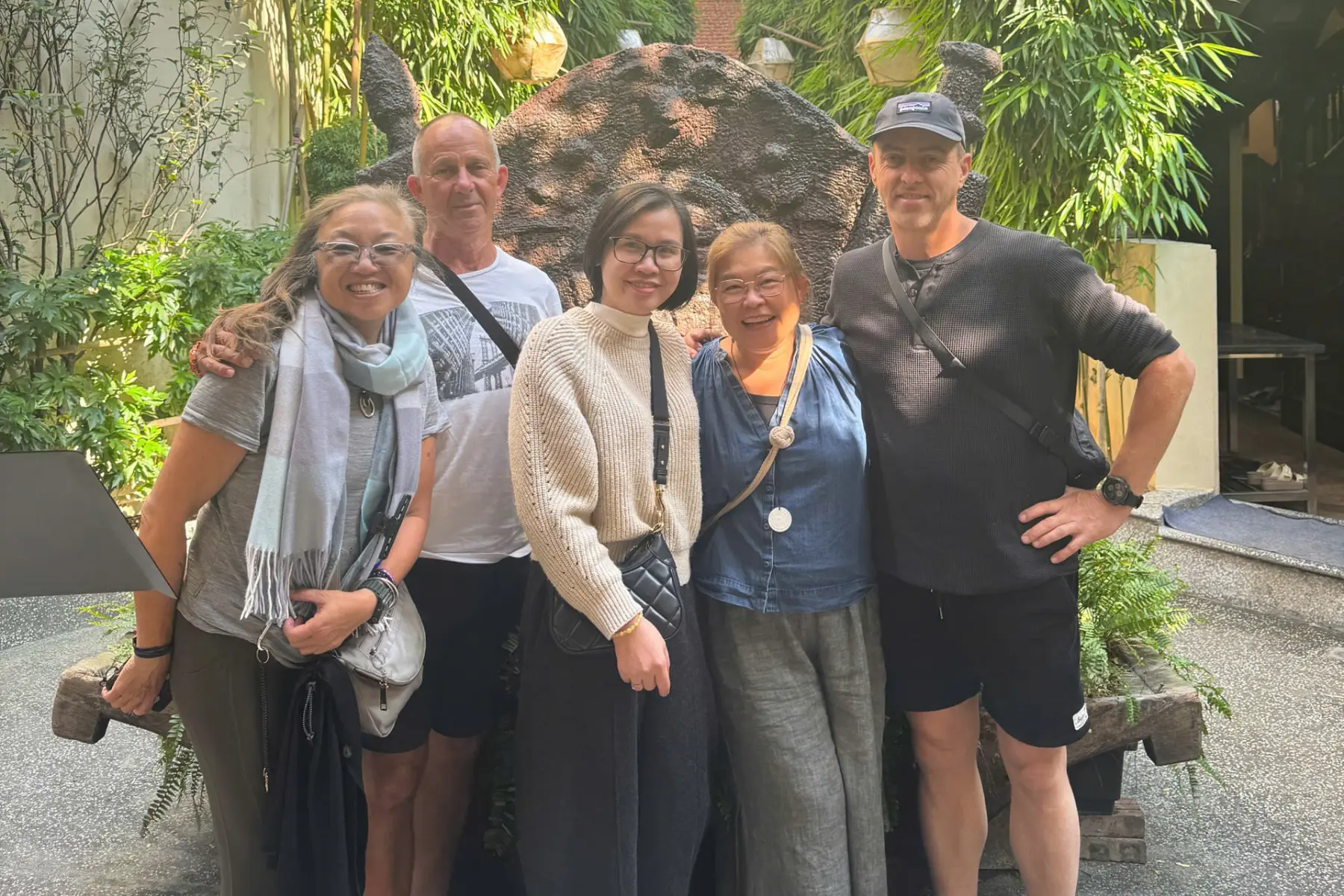
Written by Tracy Nguyễn, Lead Regional Logistics Specialist at Sao La Tours
The author has over 10 years of experience designing complex, multi-region Vietnam itineraries, with a focus on client safety, efficient transfers, and authentic regional immersion.