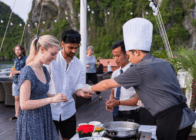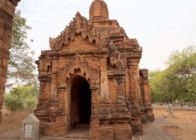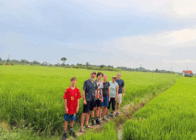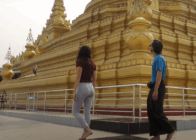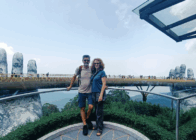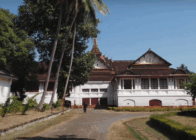
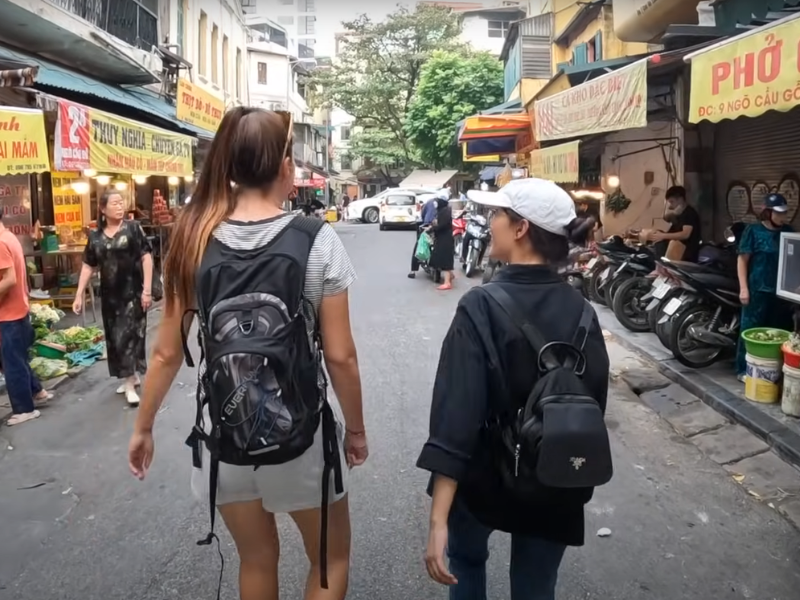
A Vietnam private tour is the difference between seeing Vietnam and actually experiencing it. This is a country more than 1,600 kilometres long, with three distinct climates, dozens of cultures and travel times that rarely match the map: a mountain road of 300 kilometres can swallow a whole day, while a 90-minute flight can carry you from drizzle to sunshine. On a fixed-departure group tour, you adapt to the bus. On a private tour, the bus adapts to you.
That sounds simple, yet most travellers have never compared private travel properly. What exactly do you control? What drives the price? How is an itinerary actually built, and how do you tell a genuine local specialist from a reseller with a nice website? This guide answers those questions in plain language. It explains what private really means, how a tour is designed step by step, seven signature journeys, a region-by-month season matrix, the roles of your guide and driver, ten questions to ask any operator before you pay and the practical details of safety, insurance and entry rules. If you are building a wider trip, our guides to Cambodia and Vietnam tours packages and Laos and Vietnam tours show how to extend your journey across the region.
Why Genuine Privacy Is Harder to Find Than It Sounds
Not every tour sold as private is private. Some operators take a standard group itinerary, swap the large coach for a car, raise the price and leave everything else unchanged: the same crowded stops at the same hours, shared boats and a script written for forty people. Before you compare quotes, test each offer against this table.
| Feature | Standard group tour | Semi-private | Genuinely private |
|---|---|---|---|
| Vehicle | Shared coach | Smaller shared car | Only your party |
| Itinerary | Fixed | Fixed with a few options | Designed around you |
| Schedule | Set times | Set times with some flexibility | You choose the start time and the pace |
| Boats and cruises | Shared with other guests | Shared | Small or exclusive-use boats where booked |
| Guide | One guide for the whole group | One guide for several parties | A guide dedicated to your party |
| Changes on the road | Rarely possible | Limited | A normal part of the service |
| Crowd management | None | Little | Early starts and quieter timing built in |
A simple test works well: ask whether anyone outside your party will share your vehicle, guide or boat at any point, and ask for the answer in writing.
What Private Really Means: Six Things You Control
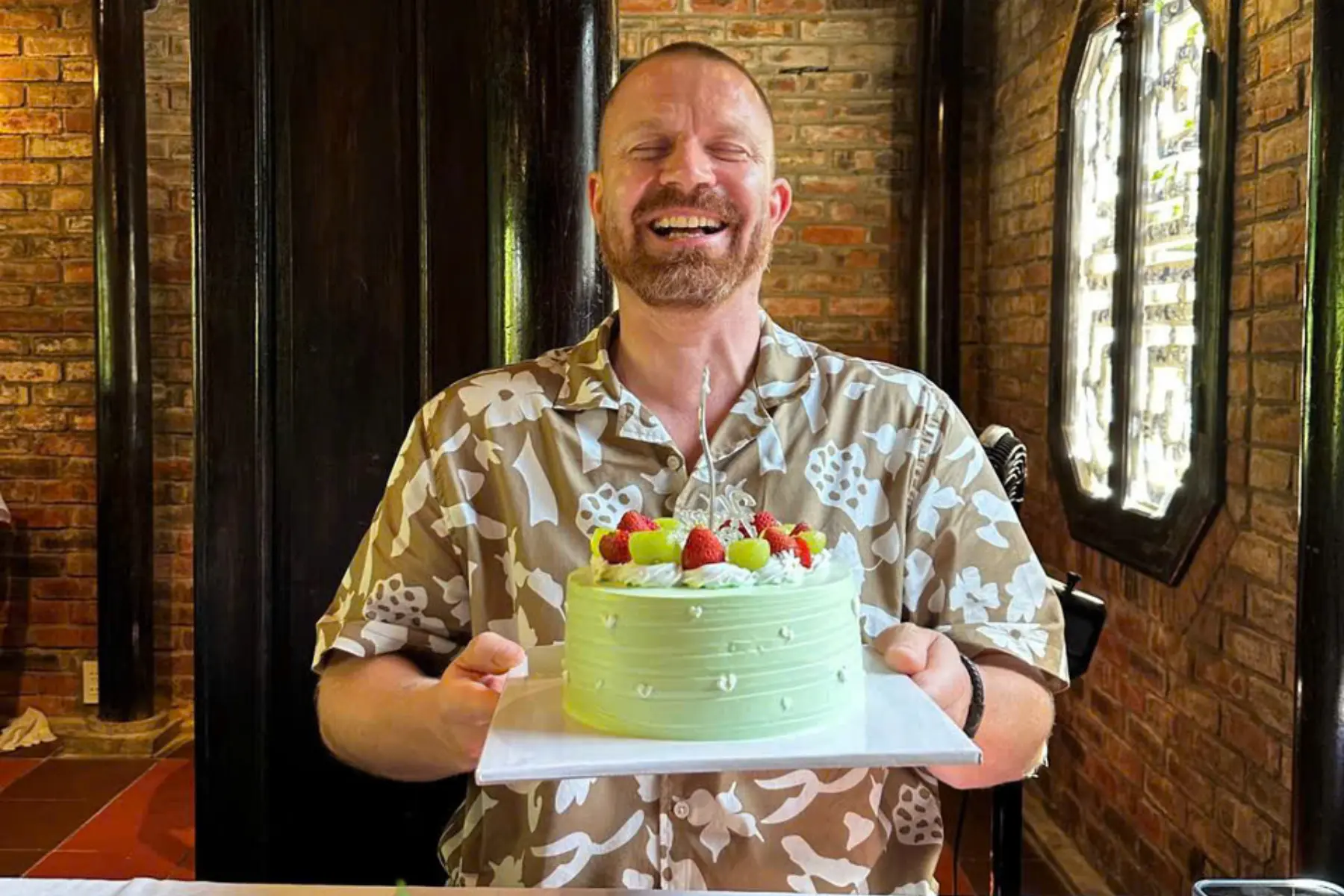
The word private is used loosely in travel marketing, so it helps to be specific. On a genuine private tour, six things belong to you.
- Pace. You decide whether to start at dawn for photographs or at a leisurely nine, and whether to spend three hours in a village or thirty minutes. Nobody is waiting on the bus.
- Route. Swap a destination you have already seen for one you have not. Add a night somewhere you fall in love with. Drop a city that does not appeal.
- Focus. A guide can tailor the same destination to food, history, wildlife, photography, textiles or architecture, depending on what you care about.
- Comfort. You choose the hotel level, the vehicle type, the amount of walking and the use of internal flights, which matters greatly for families, seniors and anyone with mobility needs.
- Company. Only your party is in the vehicle and the boat. That privacy is especially valued for honeymoons, family trips and milestone celebrations.
- Responsiveness. If a typhoon closes a road, a child falls ill or a site is unexpectedly shut, a private operator rebuilds the day on the spot instead of following a rigid script.
How a Private Tour Is Built: Five Steps
Understanding the process helps you judge the quality of what you are offered.
Step 1: The brief
A good operator begins with questions, not a brochure. Who is travelling, what ages, which dates, what energy levels, which interests and what comfort level? The more honest the brief, the better the design.
Step 2: The first draft
Within a few days you should receive a day-by-day itinerary with named hotels, transport types and a clear list of what is included. Be wary of drafts that are vague about hotels or that lead with a price and little else.
Step 3: Refinement
This is where private travel earns its name. You adjust the route, swap experiences, upgrade a night, add a cooking class or remove a long drive. Expect two or three rounds of changes.
Step 4: Confirmation
Once you agree, the operator books hotels, guides, vehicles, flights and special experiences. Peak months, from November to March and around Tet, require booking early, and rare experiences such as expedition-style cave trips or small luxury boats need much more lead time.
Step 5: Support on the road
A reliable operator provides a local contact available at all hours, a named guide and driver in each region and a plan B for bad weather.
What You Actually Pay For
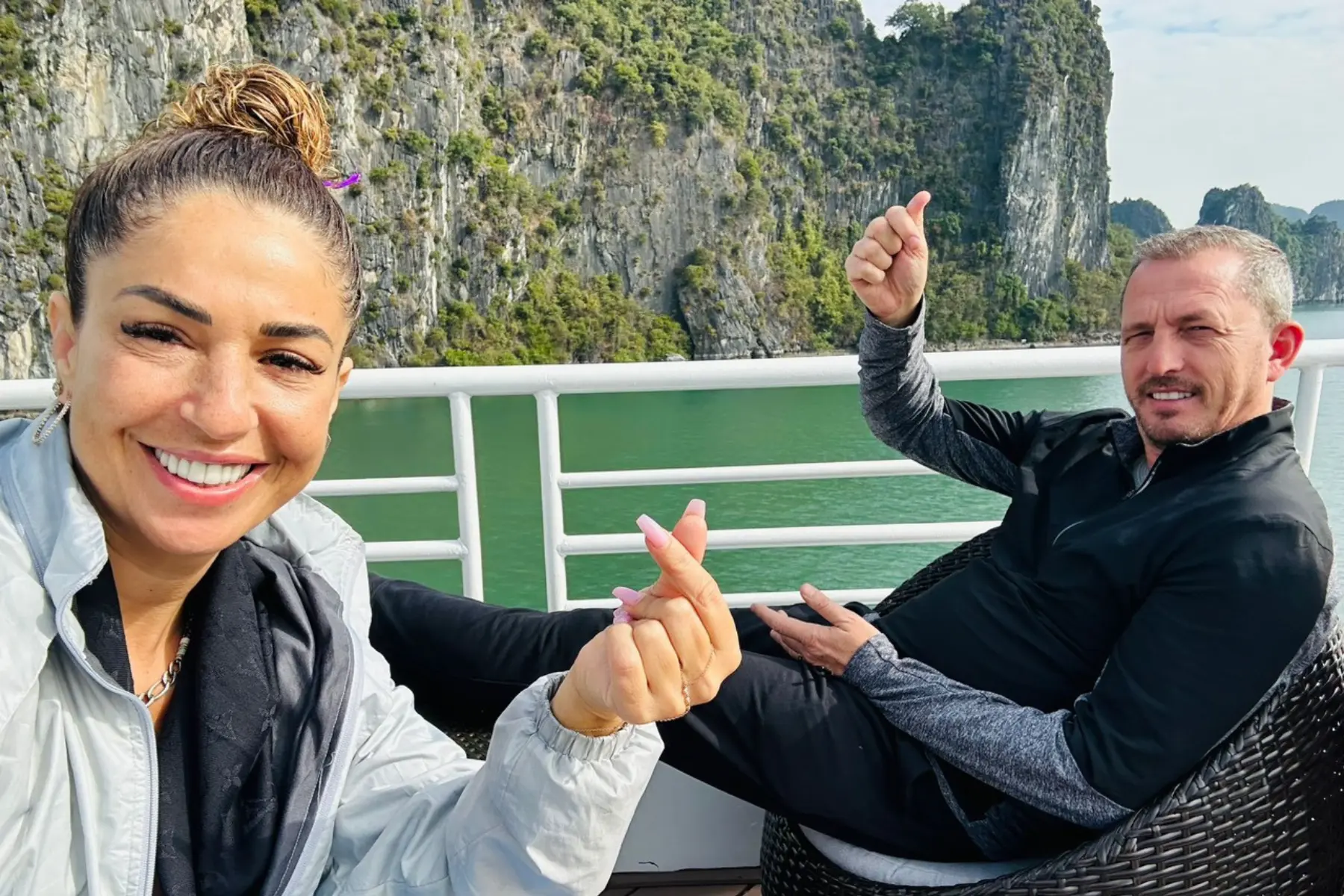
Prices vary widely, so compare what is included rather than the headline number. These are the main cost drivers.
| Cost driver | How it affects price | Where you can save without losing quality |
|---|---|---|
| Hotel class | The biggest single factor | Mix boutique stays in the best locations with comfortable mid-range hotels elsewhere |
| Guide model | One guide throughout is convenient; local guides per region offer deeper knowledge | Local specialists in each region usually give better insight |
| Vehicle | Sedan, SUV or minivan, chosen by group size | Match vehicle to party size and avoid unnecessary upgrades |
| Domestic flights | Save time but add cost | Use flights for long legs and ground travel for scenic stretches |
| Season | Peak months and Tet cost more | Travel in shoulder months for better value and fewer crowds |
| Special experiences | Private boats, chef-led dinners, wildlife expeditions | Keep one or two signature experiences and keep the rest simple |
| Party size | Cost per person falls as the group grows | Families and groups of four or more often find private travel competitive |
In general, private tours fall into three comfort tiers. A comfort tier uses three- and four-star hotels with a private driver and guide. A premium tier adds boutique hotels, upgraded cruise cabins and more exclusive experiences. A luxury tier features five-star resorts, small private vessels and highly personalised service. Ask every operator for a line-by-line quote so you can compare like with like.
The table below shows how the three tiers typically differ. Exact inclusions vary by operator, so always request them in writing.
| Tier | Hotels | Transport | Guides | Typical experiences |
|---|---|---|---|---|
| Comfort | Three- and four-star | Private car or van with driver, plus domestic flights | Licensed local guide in each region | Classic sights, a cooking class, a cruise in a shared or small boat |
| Premium | Boutique and upper four-star | Private vehicle, flights and selected private boat trips | Specialist guides matched to your interests | Smaller-boat cruises, craft and wildlife experiences, chef-led dinners |
| Luxury | Five-star resorts and heritage hotels | Private vehicle, flights and exclusive-use boats | Specialist guides and, on request, curators or historians | Private yacht, tasting menus, airport fast-track services where offered |
Seven Unforgettable Vietnam Private Tour Journeys
These seven journeys are starting points, not fixed packages. Each can be lengthened, shortened or reversed to suit your dates.
Journey 1: The Classic Highlights (10 to 12 days)
Route: Hanoi, Ninh Binh, Halong Bay, Hue, Hoi An, Ho Chi Minh City and the Mekong Delta. Best for: first-time visitors. Ideal months: February to April, October to November.
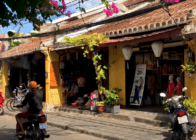
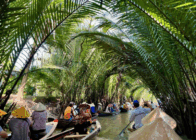
This is the grand tour of the country from north to south, linking the capital, the limestone landscapes, the imperial city, the lantern town and the energetic south. Begin with a Hanoi city tour that mixes history with food, move on to the caves and cruises of our Halong Bay Ninh Binh tour, follow the coast to Hue and Hoi An, and finish in the south with a Mekong Delta tour. For ideas on the lantern town, see our guide to the best tours in Hoi An. If you want a complete overview, our Vietnam highlights tour page shows how this route can be adapted.
Journey 2: North Vietnam Mountains and Karst (8 to 9 days)
Route: Hanoi, Mai Chau, Sapa or Ha Giang, Ninh Binh, Halong Bay. Best for: trekkers, photographers and scenery lovers. Ideal months: September to November, March to April.
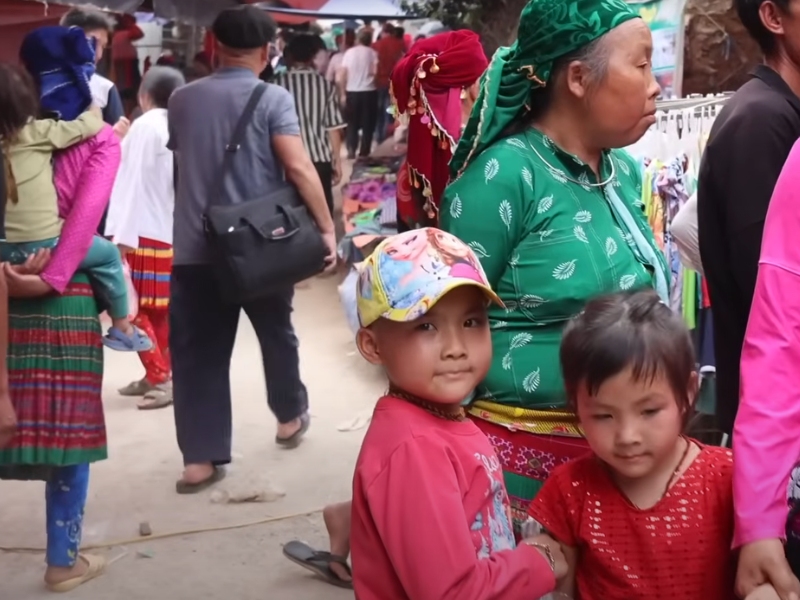
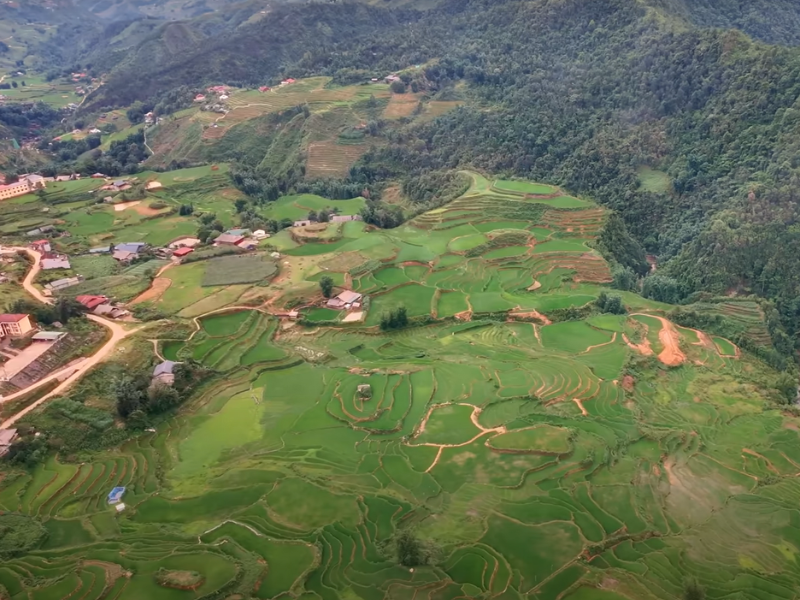
This route concentrates on the north’s most dramatic landscapes: terraced rice valleys, minority villages, limestone peaks and emerald seas. Choose between a Sapa trekking tour for terraces and homestays or the Ha Giang loop tour for high passes and remote plateaus, then ease into the karst scenery of Ninh Binh and the bay. Our North Vietnam tour guide compares the options by difficulty and season.
Journey 3: Central Heritage and Coast (8 days)
Route: Phong Nha, Hue, Hoi An, Da Nang. Best for: culture lovers and slow travellers. Ideal months: February to May.
The centre of Vietnam is where history is most visible. Begin underground in the caves of Phong Nha, recognised by UNESCO as Phong Nha-Ke Bang National Park, then move to the imperial Complex of Hue Monuments and the merchant port of Hoi An Ancient Town UNESCO. Finish on a beach in Da Nang or Hoi An. Our Central Vietnam tour and Phong Nha cave tours pages cover the logistics, and the drive over the Hai Van Pass is a highlight in itself.
Journey 4: Food and Culture (10 days)
Route: Hanoi, Hue, Hoi An, Ho Chi Minh City. Best for: food lovers and curious travellers. Ideal months: any, with seasonal variation.
Vietnamese cuisine changes dramatically from region to region, so a food-focused private tour is a journey in flavours. Eat noodle soup at dawn in Hanoi, try royal cuisine in Hue, cook in a garden in Hoi An and taste street food by scooter in Saigon. A private guide helps you find family-run stalls and understand what you are eating. Our Vietnam food tour page outlines the options, from market walks to hands-on classes.
Journey 5: Family Adventure (12 days)
Route: Hanoi, Halong Bay, Hoi An, Mekong Delta, Phu Quoc. Best for: families with children. Ideal months: November to April.
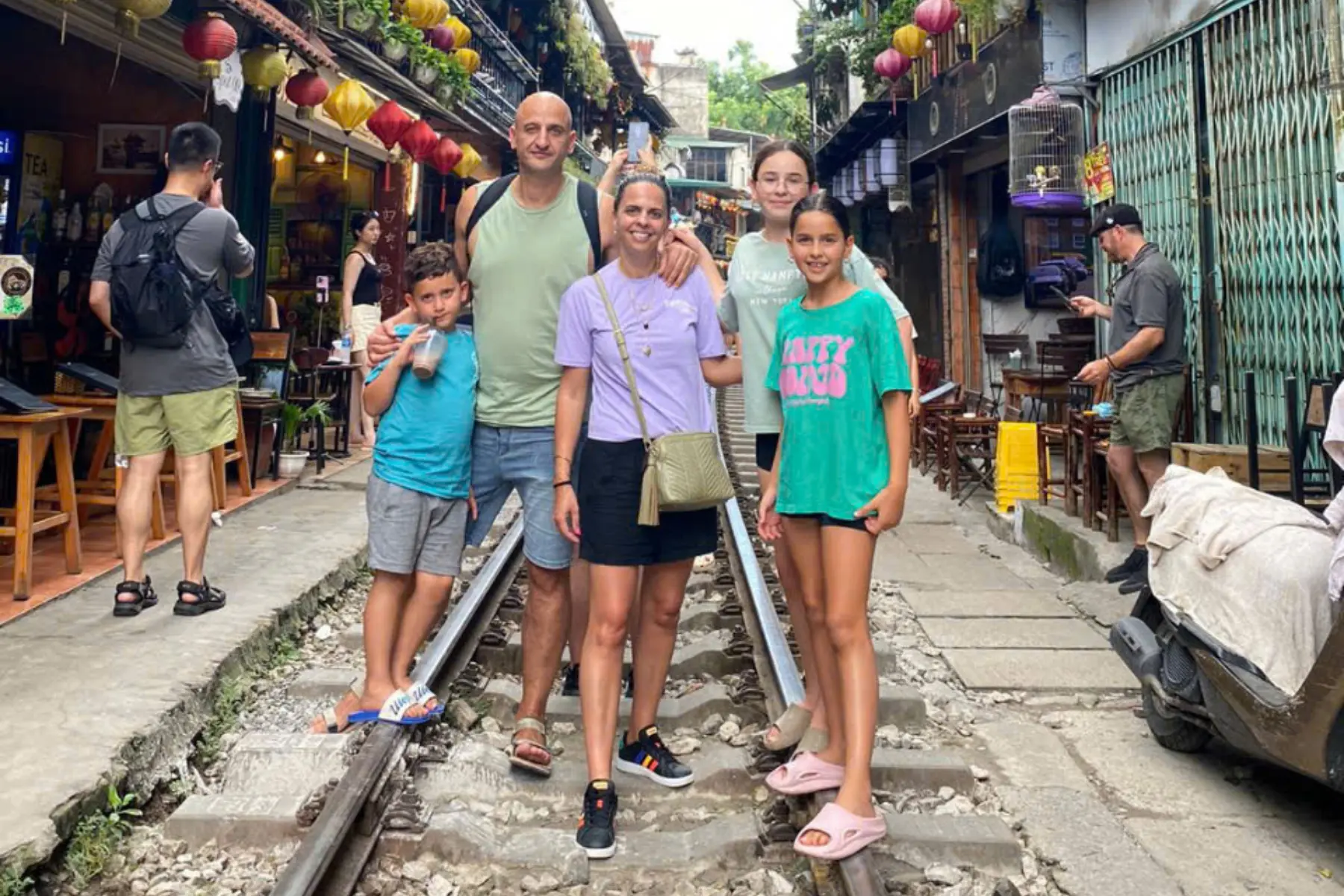
Families benefit more than anyone from a private tour, because children set the rhythm. Shorter drives, rest days, pool time, cooking classes, bicycle rides and a night on a family-friendly boat keep everyone engaged. A private guide adjusts pace on the spot when energy dips. See our Vietnam family tour guide for age-by-age advice.
Journey 6: Romance and Honeymoon (9 to 10 days)
Route: Hanoi, Halong Bay, Hue, Hoi An, Da Lat or Phu Quoc. Best for: couples and anniversaries. Ideal months: November to April.
This journey focuses on atmosphere: a luxury cruise on the bay, a private dinner in Hoi An, a cooling retreat in the highlands or a beachfront resort. Our Vietnam honeymoon tour page and Da Lat tour guide show how to balance activity and relaxation, and how to add surprises such as a private lantern ceremony or a sunset boat.
Journey 7: Wildlife, Birding and Photography (10 to 12 days)
Route: Cuc Phuong, Phong Nha, Cat Tien, Mekong wetlands. Best for: nature lovers and photographers. Ideal months: November to April.
Vietnam’s national parks hold some of the region’s rarest species, and a private tour with a specialist guide can turn a quick visit into a real expedition. In the north, Cuc Phuong is home to the Endangered Primate Rescue Center. In the south, Cat Tien is recognised as a Cat Tien Biosphere Reserve UNESCO site and offers gibbons, hornbills and forest trails. Wetlands in the Mekong region add waterbirds, and in the dry season they can attract rare cranes. Our Vietnam wildlife tour and Vietnam photography tour pages explain the best months, hide locations and ethical practices, and how to combine them with cultural stops.
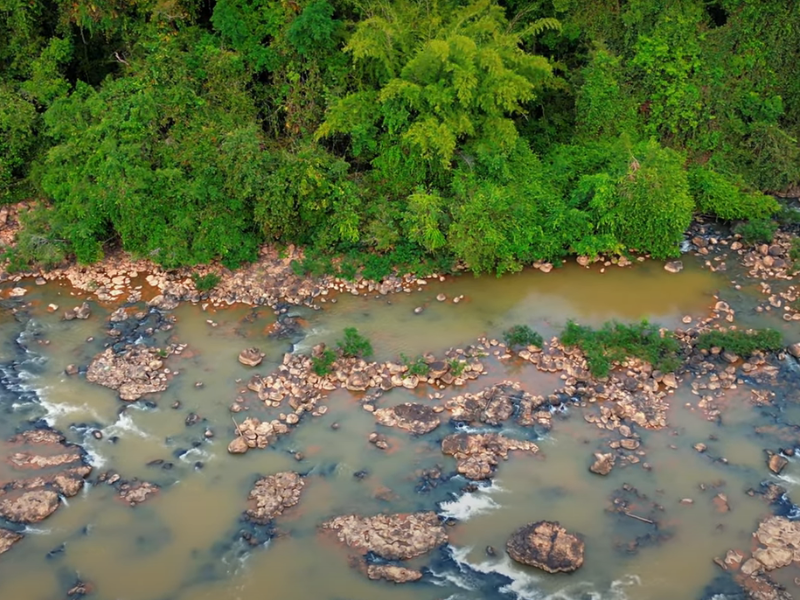
Signature Journey: 12 Days of Private Luxury From Hanoi to Saigon
This 12-day route is our fullest example of luxury private travel: a private yacht on Lan Ha Bay, an imperial citadel, a beachfront resort and an overnight Mekong river cruise. It shows the premium end of what a luxury Vietnam tour can look like, and every element can be scaled down to a comfort or premium budget.
| Day | Base | Highlights |
|---|---|---|
| 1 | Hanoi | Arrival and private transfer from Noi Bai airport. Airport fast-track assistance can be added where offered |
| 2 | Hanoi | Early-morning visit to the Temple of Literature with a historian guide, then contemporary art galleries and a talk with a local curator |
| 3 | Lan Ha Bay | Overnight on an exclusive-charter junk or catamaran, kayaking in quiet lagoons and dinner prepared by an onboard chef. See our Lan Ha Bay cruise guide |
| 4 | Hue | Sunrise tai chi on deck, transfer to Hanoi or Hai Phong airport and flight to Hue, with an evening arrival |
| 5 | Hue and Hoi An | Imperial City with an architecture or restoration specialist, then the scenic drive over the pass. See our Hai Van Pass tour page |
| 6 | Hoi An | Old Town walk, a merchant house visit and a craft workshop such as silk or lacquer |
| 7 | Hoi An | Open day for the spa, the pool or a boat trip to the Cham Islands |
| 8 | Saigon | Flight south and an afternoon with a local historian |
| 9 | Saigon and Cu Chi | Speedboat upriver to the Cu Chi Tunnels tour, avoiding the highway traffic |
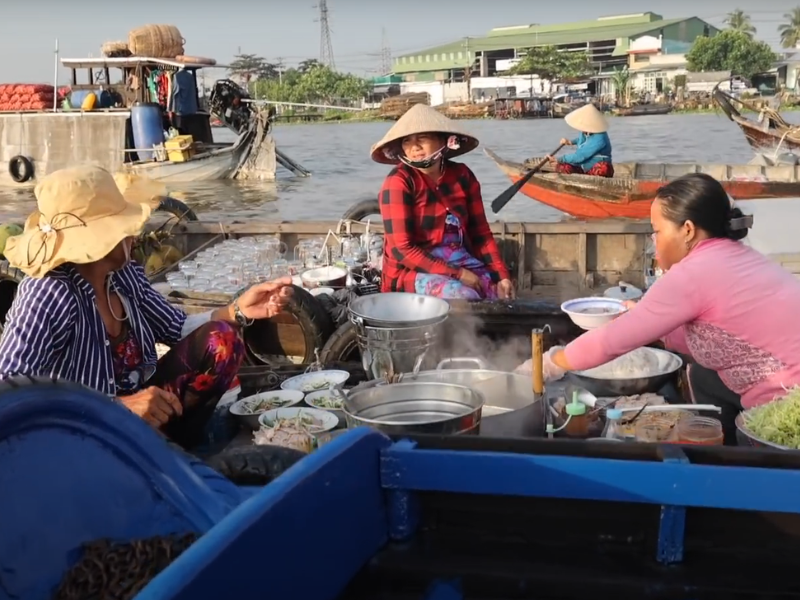
| 10 | Mekong Delta | Overnight on a private river vessel and a visit to the Cai Rang floating market. See our Mekong Delta cruise guide |
| 11 | Saigon | Free morning and a farewell tasting-menu dinner |
| 12 | Departure | Private transfer to the airport |
Two practical notes. The move from Lan Ha Bay to Hue on day four is the tightest connection on the route, so add a night in Hanoi or Hue if you want an unhurried pace. Hotels also depend on season and availability. Typical choices for this tier include Sofitel Legend Metropole Hanoi, Azerai La Residence in Hue, a beachfront resort in Hoi An and Park Hyatt Saigon or The Reverie Saigon, but confirm current availability and brand names when you plan.
What keeps this route genuinely private is simple and checkable: a private vehicle and driver throughout, exclusive-use boats, early starts that avoid the crowds, guides matched to your interests where arranged and a rest day built in. Anything arranged on request depends on partners and dates.
Season Matrix: Best Months by Region
Because Vietnam stretches across several climate zones, the right month for one region may be the wrong month for another. This table shows when each region works best.
| Region | Best months | Manageable months | Trickier months |
|---|---|---|---|
| North (Hanoi, Halong Bay, Sapa) | October to November, March to April | May to June, December to February | July to September, when heat and storms increase |
| Central (Hue, Hoi An, Da Nang) | February to May | June to August, which are hot, and December to January, which can be drizzly | September to November, with rain, flooding and typhoons |
| South (Ho Chi Minh City, Mekong, Phu Quoc) | December to April | May to November, a green season with afternoon showers | Heaviest rain months, though trips remain very workable |
| Highlands (Da Lat) | November to April | May to October | Wettest summer months |
For a combined trip, February to April is the sweet spot, and November is a good alternative if you plan the central coast carefully. Our best time to visit Vietnam guide explains the trade-offs month by month, and you can check storm alerts with the Vietnam hydro-meteorological forecast centre before you travel.
Your Guide and Driver: What They Actually Do
The quality of your guide often shapes the quality of your trip more than the hotel does.
The guide is your interpreter of both language and culture. A good guide explains history, introduces you to local families, manages tickets and queues, recommends where to eat and adjusts the day when plans change. In most cases you will have a licensed local guide in each region, which brings deeper local knowledge than a single guide who travels with you throughout.
The driver handles roads, parking and timing, and a good driver knows when the highway is slow and which rest stop is clean. Vehicles are matched to party size: a sedan for one to three travellers, an SUV or minivan for larger groups.
Handovers between regions should be seamless, with the next guide waiting at the airport or hotel with your name on a sign. Ask how this is managed.
Tipping is appreciated but not obligatory. Many travellers tip guides and drivers at the end of the trip if the service has been excellent.
Hotels, Flights and Trains
A private tour lets you choose the level of comfort in each place. In the cities, boutique hotels in the old quarters give you walkable access to food and culture. In the countryside, homestays and eco-lodges offer more atmosphere than a large hotel. On the coast, a beachfront resort is the natural place to rest.
For transport, domestic flights connect Hanoi, Da Nang and Ho Chi Minh City quickly and are the best option for long legs. Ground travel is better for scenic segments such as the coastal road between Hue and Hoi An. A sleeper train links Hanoi with Lao Cai, the gateway to Sapa, and suits adventurous travellers. A well-designed private itinerary mixes the three modes to balance time and scenery.
Ten Questions to Ask Any Operator Before You Pay
These questions separate genuine specialists from resellers.
- Are you a locally registered company, and who actually operates the tour on the ground?
- Will I have the same guide throughout, or local guides in each region?
- Can I see named hotels and vehicle types in the quote?
- What exactly is included and excluded, line by line?
- What is the plan if bad weather cancels a boat trip or closes a road?
- Is there a 24-hour local contact I can call?
- What are your cancellation and refund terms, and how do they change near the travel date?
- How do you handle safety on boats, in the mountains and on the road?
- Can you share recent, verifiable reviews from independent platforms?
- How do you support local communities and protect the environment?
A confident operator answers each clearly and in writing. Hesitation or vagueness is a warning sign.
Eating and Drinking Well on a Private Tour
Vietnamese food is one of the great pleasures of the trip, and a few simple habits keep it comfortable. Drink bottled or filtered water, and ask whether the ice in a restaurant is made from filtered water, which it usually is in reputable places. Peel fruit yourself, and favour busy places where food is cooked fresh in front of you. Pack oral rehydration salts and any regular medicines, and talk to your doctor about vaccinations before departure.
A private tour makes dietary needs much easier to manage. Tell your operator about allergies, gluten intolerance or vegetarian and vegan preferences at booking, and ask how that information is passed to hotels, boat crews and restaurants. Wheat, soy sauce and shellfish appear in many dishes, so guests with allergies or coeliac disease benefit from a guide who checks ingredients on the spot. A short allergy card written in Vietnamese is a useful backup.
Safety, Insurance and Payments
Vietnam is generally welcoming and safe for visitors, and a private guide reduces most everyday risks. Take normal precautions: keep valuables out of sight in crowded places, use reputable transport and be careful when crossing busy roads. Travel insurance that covers medical care, evacuation, cancellation and baggage is strongly recommended, particularly if you plan to trek or take part in adventure activities.
Before paying, verify the operator’s company details and reviews, read the cancellation terms and use a payment method that offers some protection. Be cautious about transferring large sums to personal accounts or to operators who cannot provide proper documentation.
Entry Rules in Brief
Visa regulations change often, so verify them on official sources before booking flights. Many nationalities can apply online for the Vietnam e-visa, and some passports qualify for visa-free stays of limited duration. Your passport should generally be valid for at least six months. Use only the government portal, avoid look-alike sites that add unnecessary charges and check the Vietnam Tourism official website and the UNESCO World Heritage Centre for destination information. Our Vietnam visa guide offers a step-by-step walkthrough.
Who Benefits Most From a Private Tour
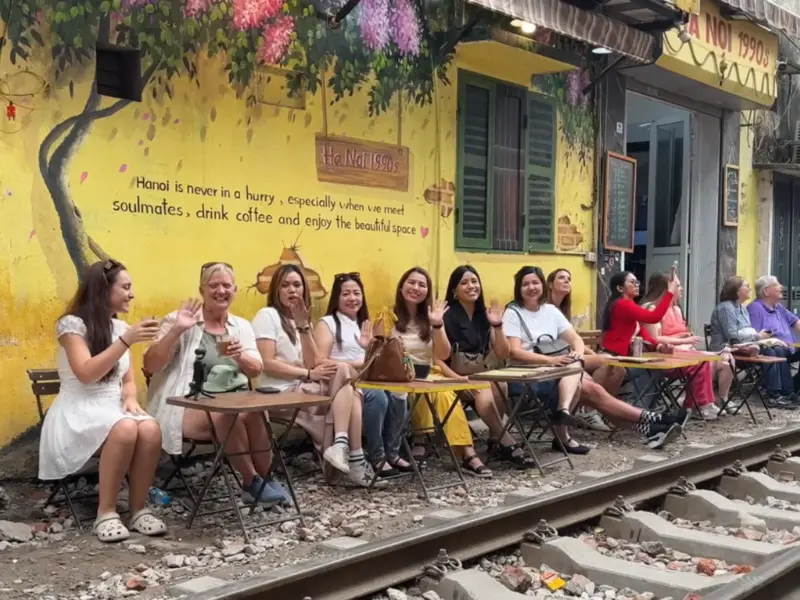
Families gain flexibility when children tire or need a break. Couples and honeymooners gain privacy and atmosphere. Seniors and travellers with mobility needs gain control over walking distances, vehicle comfort and the number of stairs, which is explored in our Vietnam tour for seniors page. Photographers and naturalists gain time at the best light and the freedom to linger. Solo travellers often find a private guide a safe and enriching way to travel, though it costs more per person than a group tour.
Frequently Asked Questions
Is a Vietnam private tour much more expensive than a group tour?
It usually costs more per person for solo travellers and couples, but the gap narrows for families and groups of four or more. You also receive far more flexibility and local insight.
How far ahead should I book?
Three to six months is wise for peak seasons such as November to March and the Tet holiday. Special experiences, such as expedition-style cave trips, may need much longer.
Can I change the itinerary after I arrive?
Often yes, if the changes are practical. Your guide can swap activities, extend a stay or shorten a day, though hotels and flights may have fixed terms.
How many days do I need?
Seven days allow a regional trip, ten to twelve days cover the classic highlights, and fourteen days or more allow a slower pace with beaches and extra experiences.
Do all guides speak English?
On private tours aimed at international visitors, guides normally speak good English. Ask about language skills and, if you prefer another language, request it in advance.
Is a private tour safe for solo female travellers?
Vietnam is generally considered welcoming for solo travellers, and a private guide and driver add an extra layer of security and support. Always use reputable operators and share your itinerary with someone at home.
Can I combine Vietnam with Cambodia or Laos?
Yes. Many travellers add Angkor or the Mekong region in Laos. See our Cambodia and Vietnam tours packages and Laos and Vietnam tours guides for routes and logistics.
What is not included in a private tour price?
International flights, visas, travel insurance, tips, personal expenses and optional activities are normally extra. Always ask for a clear breakdown.
What makes a luxury private tour different from hiring a car and driver?
A car and driver moves you from one place to another. A luxury private tour designs the whole journey: hotels, guides, flights, boats, timing and experiences, with one team responsible for solving problems along the way. You are paying for planning, access and flexibility, not just a vehicle.
How does a private tour handle bad weather across different regions?
Vietnam has three climate zones, so your operator should watch forecasts for each region. When conditions change, a good team reorders the days, moves outdoor activities to the best weather window, swaps a boat trip for a cultural visit or reroutes the drive. In typhoon season from roughly September to November, flexibility matters most, so ask about the plan B before you book.
How is my personal information protected?
A reputable operator shares your details only with the hotels, airlines, guides and partners needed to deliver the trip. Ask to see the privacy policy, ask whether staff and partners are bound by confidentiality, and, if privacy is especially important to you, request the answers in writing before you pay.
Can a private tour work for multi-generational families?
Yes, and it is one of the best uses of private travel. Pacing can follow the slowest traveller, rest days can be built in, vehicles can be chosen for comfort and the group can split when needed, with grandparents relaxing at the hotel while children cycle through the countryside.
Explore More Vietnam Private Tour Guides
Use these companion guides to go deeper on each part of your route.
- Our Halong Bay Ninh Binh tour guide covers caves, cruises and countryside in the north.
- Our guide to the best tours in Hoi An covers food, lanterns and day trips in the centre.
- Our 10 days in Vietnam itinerary suits a first-time route.
- Our guide on how to choose a Vietnam tour company offers a deeper vetting checklist.
- Our best things to do in Vietnam guide is a good source of inspiration.
- Our Vietnam honeymoon packages page shows romantic itineraries.
- Our Cambodia and Vietnam tours packages and Laos and Vietnam tours guides cover multi-country routes.
Why Travel With Sao La Vietnam Tours
Sao La Vietnam Tours is a Hanoi-based travel consultancy with around eight years of experience designing private, customised journeys across Vietnam and neighbouring countries. We build each itinerary from your brief rather than from a template, work with local guides in each region and stay in contact before, during and after your trip. Our particular strengths are wildlife, birding and photography, food and culture, and family travel, alongside classic highlights and luxury routes. Every question in the ten-point checklist above is one we are happy to answer in writing.
About the author
Tracy Nguyễn, Lead Regional Logistics Specialist at Sao La Tours, has more than ten years of experience designing multi-region Vietnam itineraries, with a focus on guest safety, efficient transfers and authentic regional immersion.
Start Planning Your Vietnam Private Tour
The best Vietnam private tour is not the one with the longest list of sights. It is the one built around the way you like to travel: the pace you enjoy, the food you want to eat, the landscapes that move you and the people you travel with. A knowledgeable local team, honest pricing and a flexible plan turn a good trip into an unforgettable one.
Tell us when you want to travel, who is joining you and what you hope to feel, and our team will design a private itinerary and quote around you. Sao La Vietnam Tours is a Hanoi-based travel consultancy that creates private journeys across Vietnam, with particular strength in wildlife, photography, food and family travel, so contact us today to begin.
Meet the Expert Who Designed This Guide
Written by Tracy Nguyễn, Lead Regional Logistics Specialist at Sao La Tours
The author has over 10 years of experience designing complex, multi-region Vietnam itineraries, with a focus on client safety, efficient transfers, and authentic regional immersion.
Sao La Vietnam Tours – Performance. Authority. Integrity. Patience. Presence. Perfection.
10 Days in Vietnam: The Ultimate Editorial Route & Travel Guide
The Ultimate Guide: How to Choose the Perfect Tour Company for Discovering Vietnam
15 Best Things to Do in Vietnam: Ultimate 2026 Travel Guide